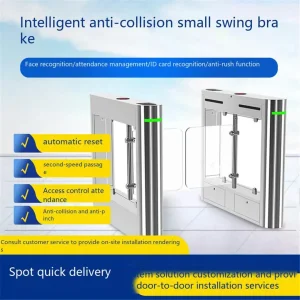
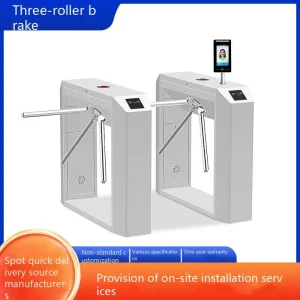
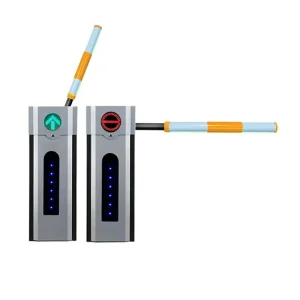
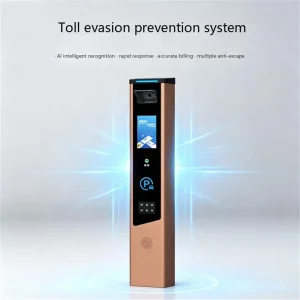
Engineered Perimeter Protection Hardware
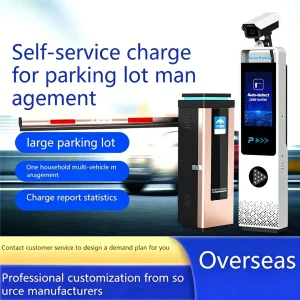
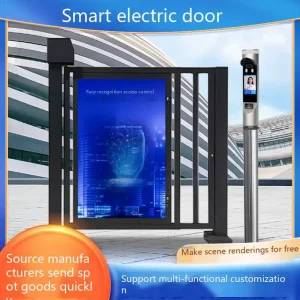
Explore certified automated barrier gates, intelligent bollards, speed gates, and smart perimeter management hardware engineered for heavy-traffic corridors and high-threat environments.
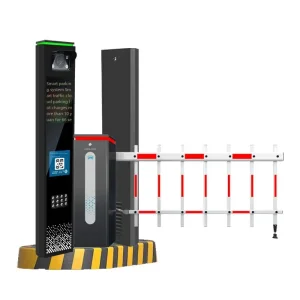
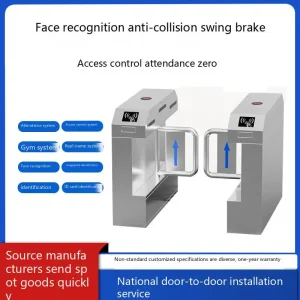
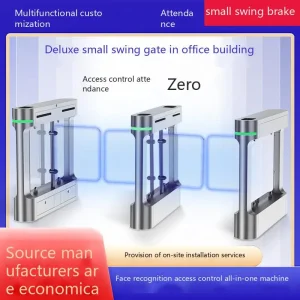
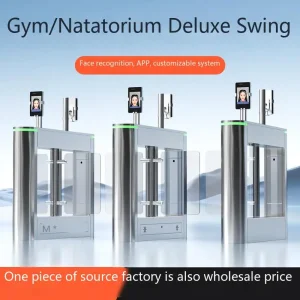
Global Rising Bollard Price Architecture & Cost Breakdown
A deep engineering look into component-level cost structures, hydraulic drive designs, and total cost of ownership (TCO) across commercial and crash-rated anti-ram bollards.
Base Unit Cost Bands ($850 - $4,200)
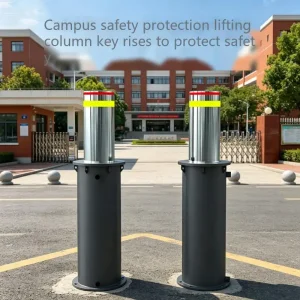
Pricing scales according to drive mechanisms (integrated hydraulic, external hydraulic power unit, or electro-mechanical), cylinder wall thickness (6mm up to 16mm), and steel metallurgy (304 vs. 316L Marine Grade stainless steel). An integrated hydraulic unit provides the best cost-to-reliability balance for high-duty urban vehicle access.
Crash Rating Engineering Premiums
Standard architectural rising bollards deter casual vehicle encroachment, while Hostile Vehicle Mitigation (HVM) bollards certified under ASTM F2656, IWA 14-1, or PAS 68 demand specialized structural foundations, heavy rebar cages, and sub-surface impact subframes. These structural reinforcements reflect in higher manufacturing tolerance and material cost.
Civil Engineering & Lifetime TCO
Over a 10-year lifespan, sub-surface drainage, electrical conduit protection, loop detector placement, and seasonal hydraulic fluid maintenance represent roughly 40% of overall project investment. Chinese direct manufacturing reduces the upfront hardware expense by up to 55%, leaving greater headroom for civil prep and local integration.
Chinese Manufacturing Efficiency & Supply Chain Resilience
How Shenzhen Anrui combines vertically integrated fabrication, precision CNC hydraulics, and exhaustive quality stress-testing to offer cost-competitive physical security solutions.
Vertically Integrated Shenzhen Facility
Our 8,000 m² factory controls laser cutting, automatic robotic welding, mechanical boring, surface shot blasting, and powder coating under one quality-controlled umbrella. This end-to-end oversight prevents sub-tier manufacturing delays and preserves strict dimensional tolerances across all production runs.
100,000 Continuous Cycle QA Stress Test
Every batch of rising bollards is tested against strict continuous pressure benchmarks. Actuators, hydraulic seals, and micro-switches must complete prolonged continuous operation tests without oil seepage or thermal failure before release, matching rigorous international construction mandates.
Optimized Export Packaging & Logistics
Rising bollards demand specialized seaworthy, vapor-sealed export crates to prevent corrosion and hydraulic alignment drift during sea freight. Our standardized container loading setups protect sensitive internal components and significantly reduce per-unit shipping expenses.
Global Operational Deployments: Matching Tech to Environment
Rising bollards adapt to distinctive real-world site conditions. Here is how our engineering team tailors specifications across diverse regional settings.
Diplomatic & Embassy Perimeters
Crash-tested K12 / M50 rising bollards fitted with Emergency Fast Operation (EFO) systems deploy within 2 seconds. They link directly with perimeter radar, CCTV triggers, and gate interlocking systems.
Commercial Plazas & Financial Centers
Sleek 304 or 316L stainless steel finishes featuring high-visibility LED light bands and warning buzzers balance architectural aesthetics with pedestrian-friendly, positive vehicular access control.
Residential Communities & VIP Villas
Low-noise electro-hydraulic rising units prevent neighborhood disturbance. They interface seamlessly with RFID long-range tag readers, license plate recognition (LPR), and smartphone remote credentials.
Heavy Industrial & Logistics Hubs
Built for harsh handling, dust exposure, and high-frequency movements. These units utilize internal anti-freeze heating systems and reinforced housings to withstand continuous heavy truck maneuvering.
Technical Specification & Engineering Comparative Reference
A reference table for project planners, consulting engineers, and EPC contractors specifying automatic vehicle access points.
| Performance Attribute | Commercial Hydraulic Series | Heavy-Duty Industrial Series | Certified Crash-Rated Anti-Ram (HVM) |
|---|---|---|---|
| Cylinder Diameter & Height | 168mm / 219mm x 600mm | 219mm / 273mm x 600mm / 800mm | 273mm / 324mm x 1000mm |
| Cylinder Wall Thickness | 6mm ± 0.5mm Structural Carbon / 304 | 8mm - 10mm 304/316L Stainless | 12mm - 16mm High-Tensile Alloy Core |
| Operating Speed (Raise / Lower) | 3.5s - 4.2s (smooth descent) | 3.0s - 3.8s (programmable) | 1.5s - 2.5s with Emergency Fast Operation (EFO) |
| Drive Architecture | Integrated Micro-Hydraulic Unit | Heavy-Duty Integrated / External Power Unit | External Hydraulic Power Unit (HPU) Accumulator |
| Ingress Protection Rating | IP68 Hermetically Sealed Actuator | IP68 Full Submersible Certified | IP68 Multi-Seal Sub-Surface Enclosure |
| Impact Resistance (Joules) | Break Impact: 120,000 J | Break Impact: 250,000 J | Certified Stopping Power: 1,800,000 J (K12/M50) |
| Factory Direct Price Benchmark | $650 - $1,100 / unit | $1,150 - $2,200 / unit | $2,800 - $4,800 / unit |
Emerging Technology Trends in Automated Access
How rising bollards are moving beyond isolated mechanical barriers into smart, connected perimeter security networks.
IoT Predictive Maintenance
Modern rising bollards now integrate internal pressure sensors, cycle counters, and temperature probes. These telemetry streams allow automated monitoring centers to catch fluid drops or mechanical wear before physical stalls occur.
Deep ANPR / LPR Ecosystem Pairing
Tight integration between edge AI license plate cameras and bollard microcontrollers ensures instant whitelisting and rapid transit, removing traditional driver stopping delays while keeping tailgating prevention active.
Eco-Friendly Drive Hydraulic Fluids
Urban deployments increasingly specify synthetic bio-degradable, non-toxic hydraulic oils. This prevents soil and water table contamination even in the rare event of line wear or flooding damage.
Frequently Asked Questions: Rising Bollard Procurement & Systems
Comprehensive technical guidance addressing common engineering, operational, and supply questions raised by international distributors and EPC contractors.
What is the difference between integrated and external hydraulic power units (HPU)?
How is subsurface water managed and how do bollards prevent flood damage?
Can automatic rising bollards interface with third-party access control and safety loops?
What happens during a municipal power outage or emergency scenario?
What maintenance schedules are required to guarantee 10-year operational life?
Complementary Smart Access & Perimeter Control Lineup
Complete your facility's vehicle and pedestrian management with our factory-matched turnstiles, LPR equipment, and automatic barrier systems.