
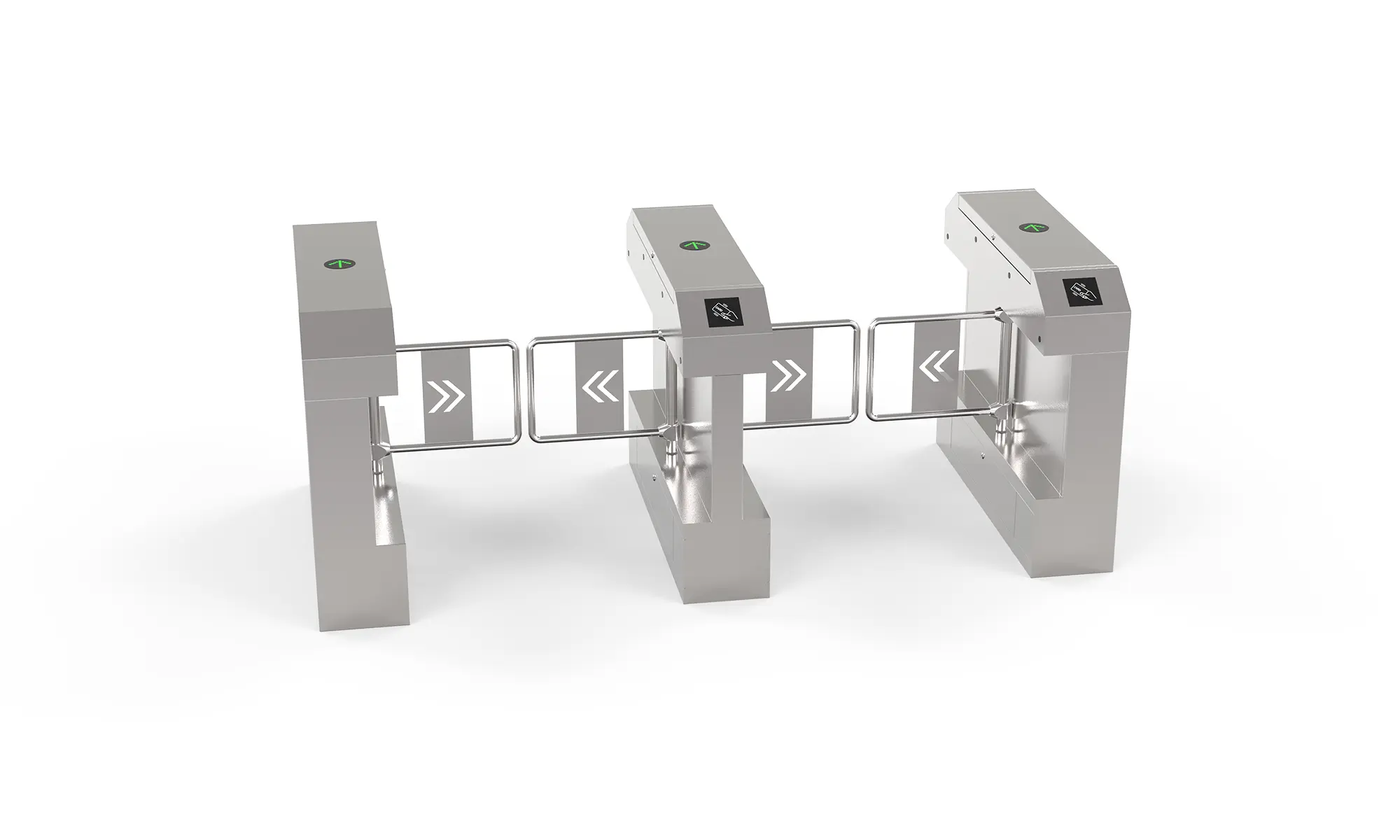
China Bridge Type Sloped Swing Gate Supplier, In Sales
Product Description
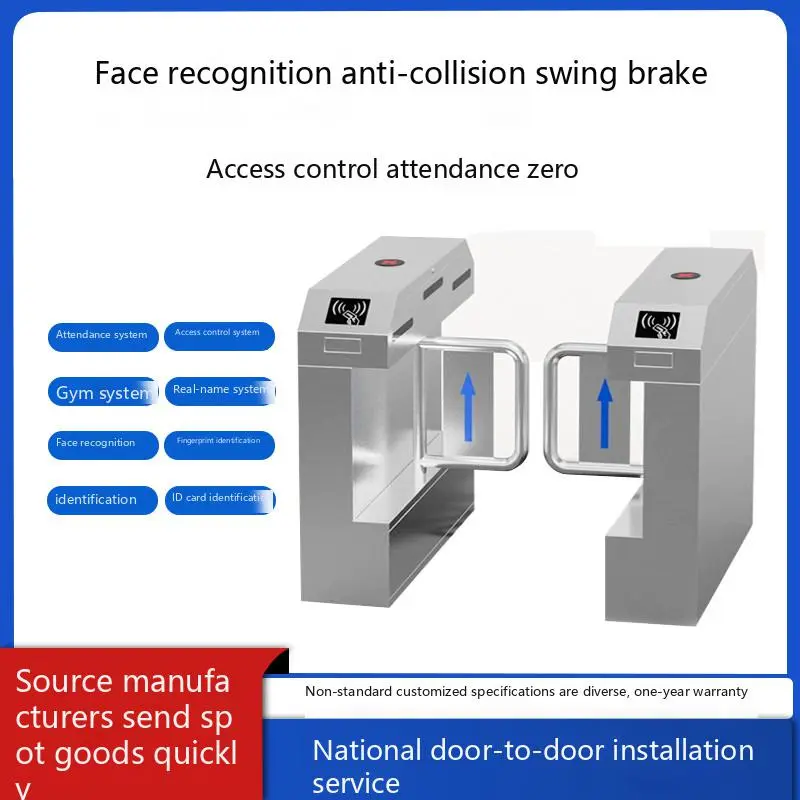
Main Functions
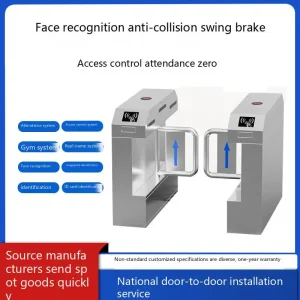
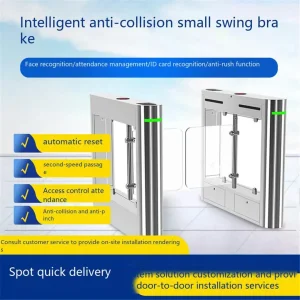
Anti-tailgating function
Effectively prevent unauthorized follow-up entry.
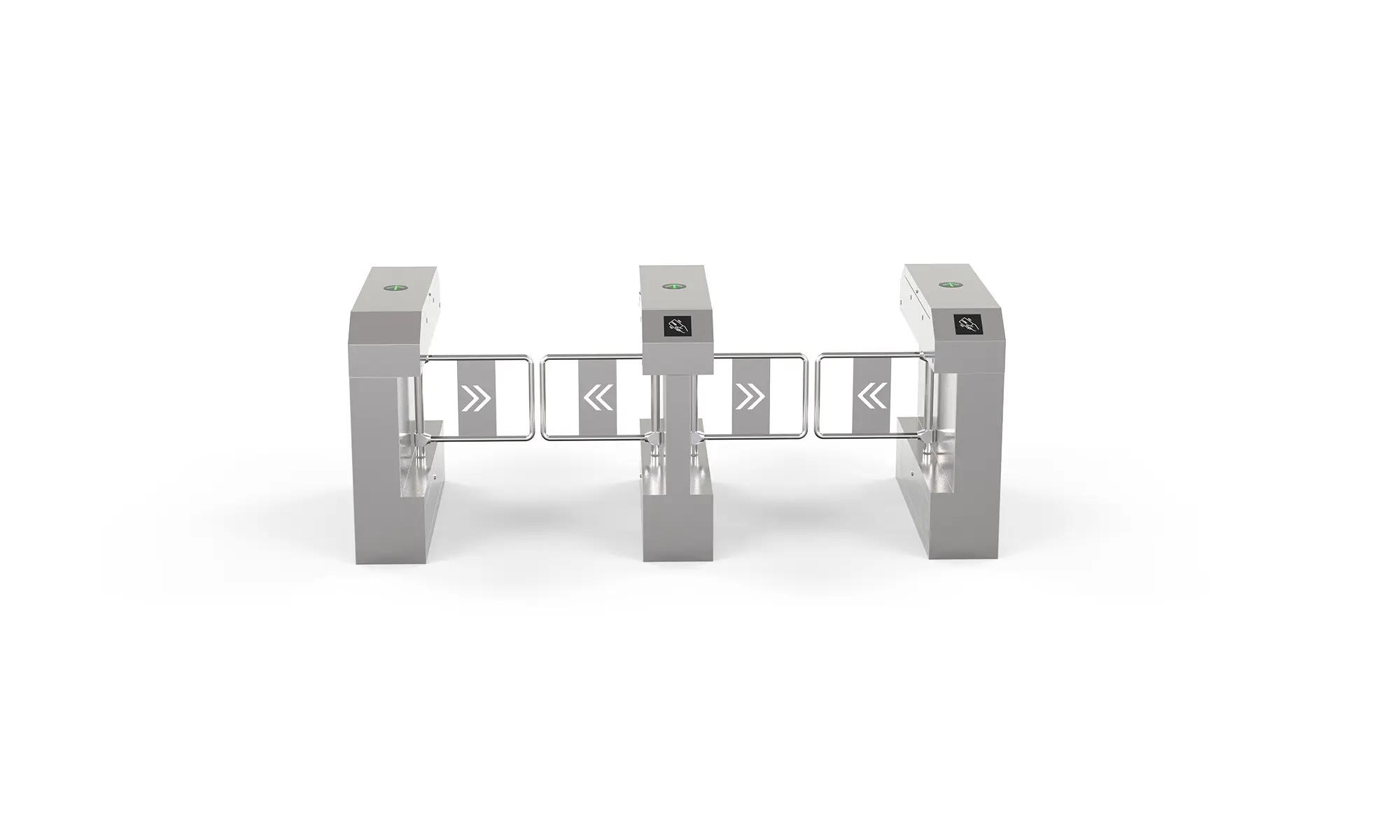
Bidirectional passage
can set free in / free out, or controlled access only.
Automatic reset
gate arm automatically closes after delay when no passage.
Anti-collision
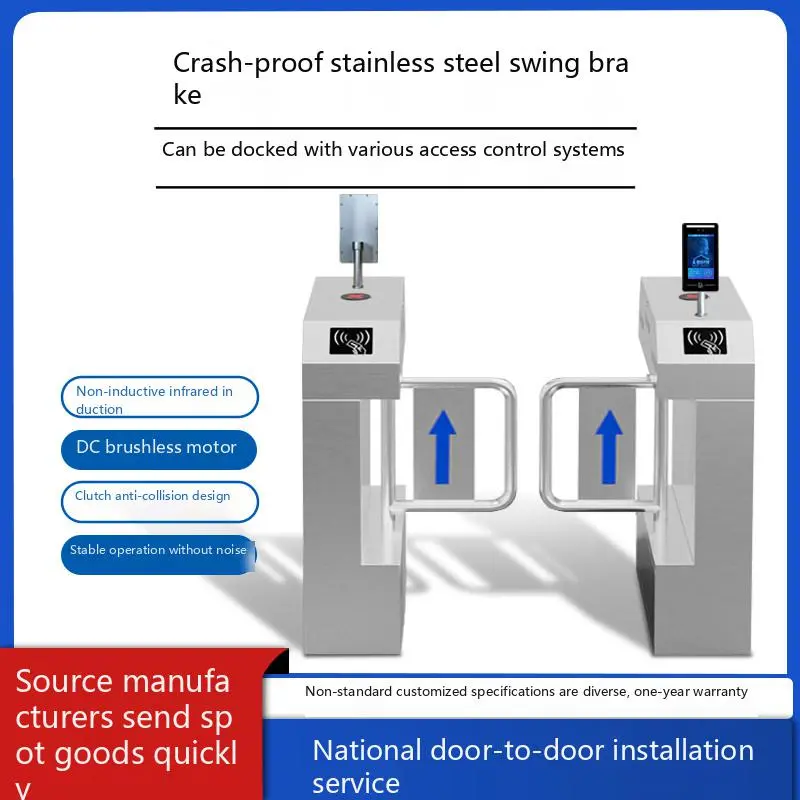
swing arm will bounce back when blocked by people or objects to avoid damage.
Power off automatically open
barrier opens freely during power failure to meet fire evacuation requirements.
Counting function
record the number of people entering and exiting.
Technical Parameters & Features
| Bridge Type Sloped Swing Gate Technical Parameters | |
|---|---|
| Overall size | 1200(L) × 280(W) × 980(H)mm |
| Single channel width | 550 - 900mm |
| Material | 304 stainless steel, 1.2mm thick plate |
| Swing door panel | acrylic or stainless steel optional |
| Power input | AC220V ± 10% 50Hz |
| Working voltage | DC24V brushless motor |
| Standby current | 120mA |
| Maximum working current | 2.5A |
| Opening speed | 0.4 - 0.6 seconds adjustable |
| Passage rate | 40 - 45 people per minute |
| Auto reset delay | 2~10 seconds adjustable |
| Working temperature | -25°C ~ +60°C |
| Protection grade | IP44 (indoor standard; IP65 rainproof type available for outdoor) |
| Working mode | bidirectional controlled / free in controlled out / free out controlled in Anti-smash & anti-collision built-in |
Installation
Frequently Asked Questions
How does the automatic reset feature work?
If a valid access signal is received but no pedestrian passes through within the specified delay (adjustable between 2 to 10 seconds), the gate arm will automatically close and reset.
What happens to the swing gate during a power failure?
The system features a built-in power-off release function, causing the barriers to automatically swing open freely to allow unrestricted evacuation during emergency fire and safety situations.
Can this swing gate turnstile be installed outdoors?
The standard model comes with an IP44 protection grade designed for indoor environments. However, an IP65 rainproof version is available specifically for outdoor deployment.
What access passage modes are available?
The gate supports flexible bidirectional passage configurations, including bidirectional controlled access, free entrance with controlled exit, or free exit with controlled entrance.
How does the anti-collision protection mechanism work?
When the swing arm meets an obstruction or experiences unexpected physical impact from people or objects, it automatically bounces back to protect both pedestrians and the internal motor mechanisms from damage.