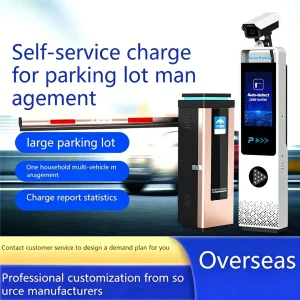
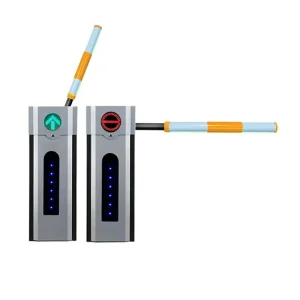
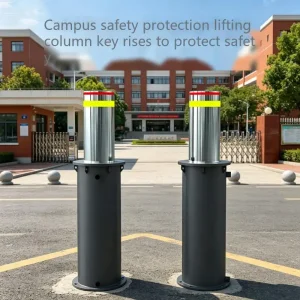
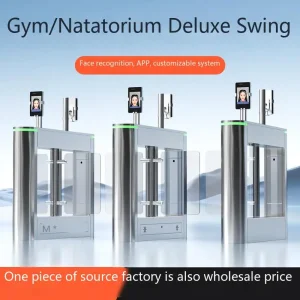
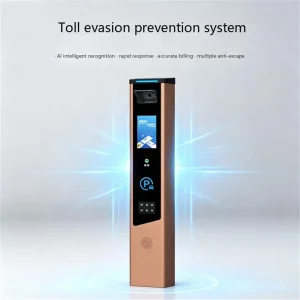
Integrated High-Performance Access Series (Batch A)
Field-proven mechanical systems, vehicle control portals, and motorized pedestrian entry devices manufactured under stringent ISO9001 and CE compliance protocols.
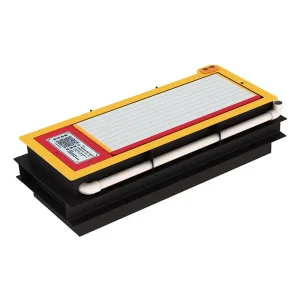
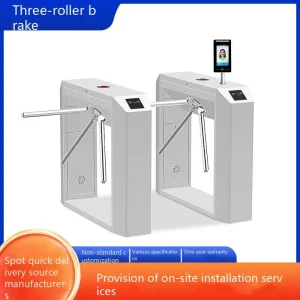
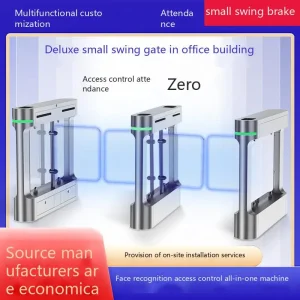
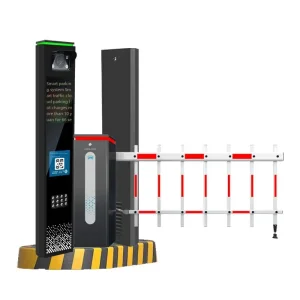
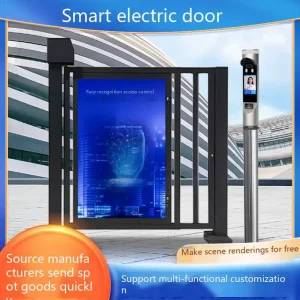
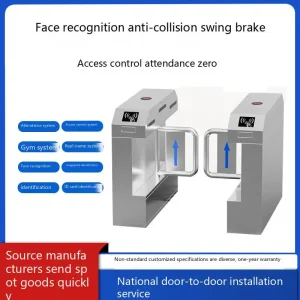
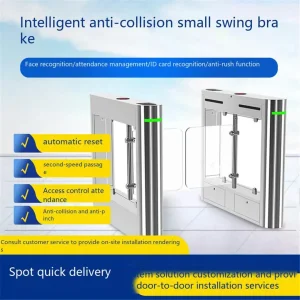
Global State of Exterior Pocket Doors & Architectural Enclosure Systems
Transitioning from traditional folding portals to fully integrated flush pocketing architectural sliding systems: an engineering analysis of thermal barriers, acoustic isolation, and structural wind resistance.
Structural Disappearing Engineering
Modern commercial buildings and high-end coastal structures demand seamless indoor-outdoor transitions. Unlike conventional interior pocket configurations, an Exterior Pocket Door must act as a fortified thermal envelope when closed, yet effortlessly glide into a concealed wall cavity to deliver a 100% unobstructed panoramic opening.
Severe Climate & Coastal Defenses
Global export demands require rigorous resistance against extreme weather. Top OEM exporters engineer multi-chamber extruded 6063-T6 aluminum frames, triple-sealed EPDM interlocking weather-stripping, and high-performance drainage sub-sills to withstand wind loads exceeding 3500 Pa (equivalent to Category 5 hurricanes) without structural failure.
Architectural Automation & Smart Portals
The contemporary access paradigm merges smart access control with heavy architectural hardware. Concealed DC brushless servo drive tracks, integrated optical safety sensors, and synchronized multi-panel telescoping pocket mechanisms now interface directly with building management systems (BMS) and perimeter gates.
China OEM Factory Ecosystem: Engineering Agility & Scalability
How China's Pearl River Delta and advanced industrial clusters optimize Design-for-Manufacturing (DFM), lead-time compression, and global cost-to-performance efficiency for major developers.
Full Supply Chain Vertical Integration
From deep-well precision aluminum extrusion to in-house polyamide (PA66) thermal break crimping, automated CNC milling centers (up to 12 meters in length), fluorocarbon PVDF coating, and insulated glass unit (IGU) lamination, factory clusters consolidate every production tier within a 50-kilometer radius, drastically reducing manufacturing cycle times.
Advanced DFM & Custom Engineering
Overseas architectural projects rarely adhere to standard catalog dimensions. Chinese OEM factories deploy dedicated CAD/BIM engineering teams to deliver Design-for-Manufacturing (DFM) analyses within 48 hours. Whether your project necessitates bi-parting corner pocketing doors, oversized 4.5-meter leaf heights, or motorized acoustic thresholds, custom extrusions are quickly prototyped and validated.
Export-Grade Shockproof Logistics
Heavy exterior sliding glass portals and stainless steel guide tracks are vulnerable to transoceanic moisture and dynamic container vibration. Tier-1 exporters implement heavy-duty steel-reinforced plywood crates, desiccated vacuum-sealed moisture wraps, corner edge dampeners, and custom cantilever lifting racks that minimize unloading risks at destination ports.
Exterior Pocket Door Performance Standards vs. Conventional Sliders
Engineered specifications for architects, facade consultants, and general contractors selecting premium portal systems.
| Performance Dimension | OEM Concealed Exterior Pocket Systems | Standard Surface Sliding Doors | Commercial Multi-Slide Stacking |
|---|---|---|---|
| Structural Wind Load (ASTM E330) | Up to 4500 Pa (Reinforced Interlocks) | 1600 - 2400 Pa (Standard Jambs) | 2200 - 3000 Pa (Reinforced Mullions) |
| Water Penetration Resistance (ASTM E331) | 720 Pa (Sub-Floor Continuous Drainage) | 300 - 450 Pa (Surface Drain Track) | 400 - 550 Pa (Cascade Step Sill) |
| Thermal Insulation (U-Factor / W/m²K) | 0.24 - 0.28 BTU/hr·ft²·°F (Triple IGU + PA66) | 0.35 - 0.42 BTU/hr·ft²·°F (Double Low-E) | 0.32 - 0.38 BTU/hr·ft²·°F (Polyamide Barrier) |
| Acoustic Isolation (STC Rating) | STC 42 - 46 (Dual-Perimeter EPDM Gaskets) | STC 28 - 34 (Brush Weatherstripping) | STC 32 - 36 (Compression Gaskets) |
| Concealment Architectural Ratio | 100% Retraction (Disappears in Cavity) | 0% (Panels stack against fixed glass) | 50% - 66% (Permanent Panel Stacking) |
| Automation & BMS Integration | Integrated Low-Noise Brushless DC + Radar | External Add-on Belts / Exposed Motors | Overhead Track Master / Slave Belt Drive |
Worldwide Commercial, Industrial & High-End Architectural Scenarios
Tailored engineering execution across climate zones, commercial real estate portfolios, and high-security access perimeters.
Luxury Hospitality & Sky Resorts
In 5-star beachfront resorts and alpine hotels, exterior pocket systems merge indoor suites with panoramic infinity decks. Built with motorized magnetic-levitation tracks, travelers enjoy absolute silence, seamless zero-threshold accessibility, and certified typhoon resistance.
Automotive Showrooms & Retail Flags
Oversized vehicular storefront portals demand pocket doors capable of accommodating 3.5-meter-wide clearance for luxury vehicles to drive inside. Heavy-duty 316 stainless-steel bottom guide tracks flush-mounted to polished concrete withstand rolling wheel loads of up to 4 metric tons.
Industrial Cleanrooms & Secure Portals
High-tech manufacturing campuses deploy exterior flush pocket partitions for material transit airlocks. Interlocking sensors communicate directly with perimeter LPR barrier gates and speed turnstiles, preventing dual-portal opening and preserving atmospheric cleanliness standards.
Coastal Residential Compounds
Exposed directly to high-salinity oceanic spray, these pocket installations utilize 25-micron anodic oxidation coatings or AAMA 2605-compliant PVDF liquid finishes. Multi-point stainless steel concealed locking rods deter forced intrusion while sealing out wind-driven rain.
Emerging Technological Trends Shaping Exterior Pocket Portals
Strategic R&D innovations that global procurement managers and structural engineering firms are prioritizing for 2026 to 2030 building cycles.
Zero-Threshold Hidden In-Sill Drainage
Traditional sliding systems leave unsightly floor tracks that trip pedestrians and collect debris. The newest OEM trend employs Zero-Threshold Flush Cavity Drains: the floor remains 100% planar with invisible linear slit openings that channel rainwater into subterranean gravity drains capable of exhausting 180 liters per minute per linear meter.
Electrochromic & Photovoltaic Glass
Smart glass integration has transitioned from luxury novelties into core facade design. Pocket panels now feature laminated switchable PDLC privacy films and BIPV (Building Integrated Photovoltaic) transparent layers, transmitting energy through sliding contacts inside the wall pocket to charge facility backup storage arrays.
AI-Assisted Access & Obstacle Anticipation
Modern exterior motorized pocket gates and portals leverage embedded millimeter-wave radar and edge AI vision cameras. Instead of reacting upon physical bumper touch, the system tracks approaching pedestrian or vehicular speed, smoothly opening the pocket cavity in advance and preventing anti-pinch entrapment incidents.
Enterprise Sourcing Checklist: Vetting an OEM Exterior Door Exporter
Crucial validation checkpoints for EPC contractors, commercial procurement officers, and architectural distributors before contract signing.
1. International Certification Compliance
Demand documented factory test reports for target jurisdictions: AAMA/WDMA/CSA 101/I.S.2/A440 for North American projects, CE EN 14351-1 for European Union installations, and AS2047 for Australian Oceania territories. Ensure acoustic ratings, thermal transmittance, and water resistance tests are conducted by ILAC-accredited third-party labs.
2. Extrusion Profile Wall Thickness & Alloy Grade
Beware of suppliers cutting costs by using secondary recycled scrap billet. Commercial exterior pocket doors must utilize virgin 6063-T6 or 6061-T6 structural aluminum with main load-bearing profile wall thicknesses of no less than 2.5mm to 3.5mm, ensuring deflection resistance under high gust pressures.
3. Hardware Running Gear & Roller Engineering
The operational lifespan of an exterior pocket door depends on its top hanging carriage or bottom roller tracks. High-grade OEM exporters use sealed, needle-bearing quad-rollers housed in CNC machined 304 or 316 stainless steel casings, rated for minimum continuous cycles of 300,000 to 500,000 movements without track gouging.
Frequently Asked Questions by Global Integrators & Sourcing Directors
Addressing mission-critical inquiries regarding cavity insulation, water drainage, motorized automation, and transoceanic shipping.
How do exterior pocket doors solve wall cavity condensation and thermal bridging?
What drainage mechanism prevents storm water from entering the concealed wall pocket?
Can large exterior sliding pocket doors be paired with commercial barrier and LPR gate systems?
What are the typical lead times and MOQ parameters for customized OEM architectural extrusions?
How does the factory conduct quality control inspections before international container loading?
Specialized Factory Access & Perimeter Hardware (Batch B)
Full series of pedestrian swing gates, high-definition license plate capture portals, rising anti-ram bollards, and smart lane controllers manufactured for worldwide EPC projects.