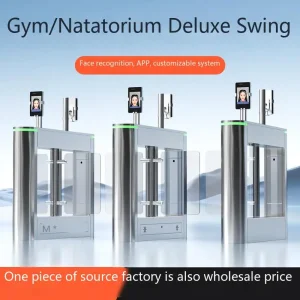
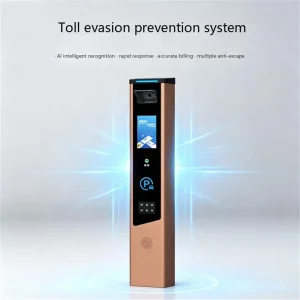
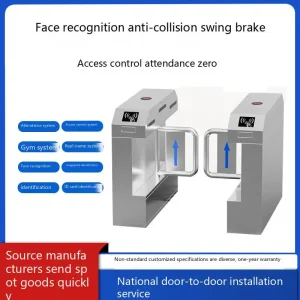
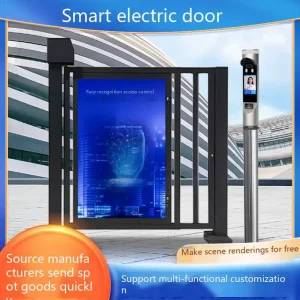
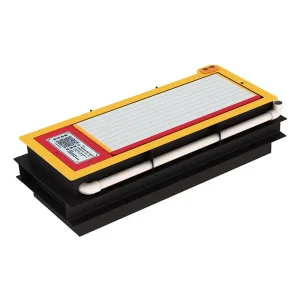
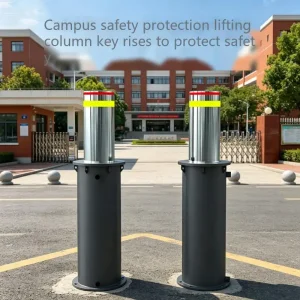
Featured Smart Access & Parking Control Hardware
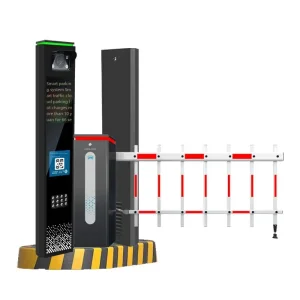
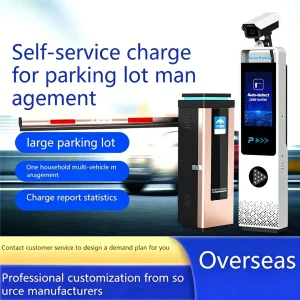
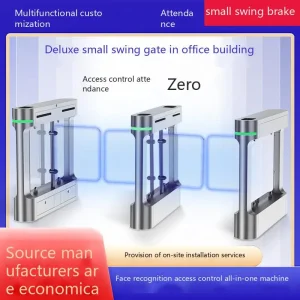
Factory-direct intelligent parking space locks, high-speed barrier gates, LPR systems, and pedestrian speed gates tested for high-volume enterprise deployment.
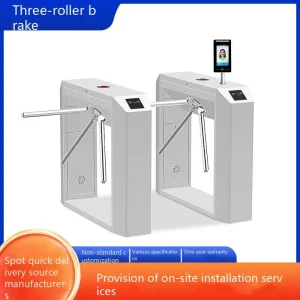
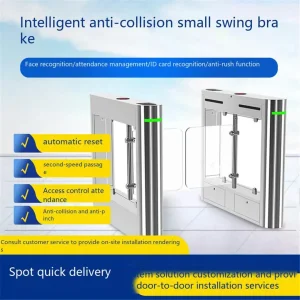

Floor Lock & Parking Space Lock Architecture: Mechanical & Electronic Benchmark
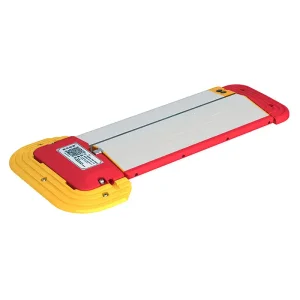
In modern urban traffic management and commercial parking infrastructure, the floor lock parking space lock has evolved from a simple mechanical barrier into a highly sophisticated AIoT-enabled node. As municipalities, commercial estate managers, and EV charging operators seek absolute control over space reservation, preventing unauthorized parking ("fuel-car occupying EV bays" or "unauthorized commercial parking") requires rugged hardware integrated with cloud intelligence.
1. Mechanical Transmission & Dynamic Structural Engineering
A primary failure point in conventional parking space locks lies in mechanical gear deformation under physical impact. Standard enterprise floor locks engineered by top Shenzhen facilities utilize die-cast high-tensile alloy steel combined with heavy-gauge A3 carbon steel housing. The rocker arm mechanisms feature a 180° anti-collision structure: if an unauthorized vehicle attempts to drive over the locked arm, internal high-torque clutch gears automatically disengage, allowing the arm to flex without snapping or damaging the inner DC brushless gear motor.
When external pressure exceeds 500 kg, the internal electromagnetic clutch trips harmlessly, sounding an alarm while shielding the drive shaft. Once the vehicle backs off, the lock arm automatically resets to its upright position without human maintenance interference.
2. Sensing Logic & Dual-Detection Payload Synergy
Eliminating false triggers caused by environmental interference (such as stray leaves, heavy rainfall, or small animals) requires a dual-sensing topology combining 24GHz Millimeter-Wave (mmWave) Radar with Ultrasonic Distance Measurement. When a vehicle approaches within 1.5 meters of the floor lock, the radar wakes the primary microcontroller unit (MCU) from micro-amp sleep mode. The ultrasonic sensor then verifies vehicle chassis mass and ground clearance before signaling the cloud platform via NB-IoT or 4G Cat-1 modules.
Technology Roadmap & Future Outlook
How AIoT convergence, wireless mesh protocols, and energy-harvesting technologies are redefining parking space automation.
Solar Energy Harvesting & Supercapacitors
Future floor locks eliminate manual battery swapping by integrating industrial solar monocrystalline silicon panels with high-cycle supercapacitors, enabling continuous outdoor operation even in extended sub-zero or zero-sunlight environments.
Seamless LPR Camera & Cloud Gateway Interlock
Through MQTT and HTTP RESTful APIs, overhead License Plate Recognition (LPR) cameras directly signal individual floor locks upon recognizing a registered VIP or EV license plate, lowering the barrier arm in under 2 seconds without smartphone app interaction.
Zero-Trust Wireless Encryption (BLE 5.4 / LoRaWAN)
Addressing cyber vulnerabilities in municipal infrastructure, modern parking locks leverage BLE 5.4 encrypted handshake protocol alongside LoRaWAN long-range low-power mesh networks for high-density underground car parks lacking cellular signals.
Macro-Industry Solutions & System Integration
Field-tested deployment blueprints for smart cities, commercial hubs, electric vehicle infrastructure, and private facilities.
EV Charging Station Bay Protection
Combines scan-to-pay shared locks with charging piles. The lock lowers automatically when an EV driver scans the QR code or initiates a charging session, raising back up once charging ceases and the vehicle departs, eliminating non-EV idling fines and revenue leakage.
Commercial Real Estate & VIP Reservation
Property managers offer dedicated tenant parking reservation via mobile app. Floor locks lower dynamically upon tenant approach and integrate seamlessly with barrier gates and turnstile management software for cohesive site security.
Municipal On-Street Smart Parking
Replaces expensive civil-works-heavy bollard installations with surface-mounted smart flap/floor locks. Coupled with cloud-based payment gateways, cities achieve 99.4% automated toll collection accuracy with zero manual enforcement personnel required.
China Factory 4.0: Shenzhen Manufacturing Edge & OEM Excellence
Shenzhen Anrui Intelligent Equipment Co., Ltd. operates a state-of-the-art 8,000 m² automated production base in Guangming District, Shenzhen. By centralizing raw material sourcing, robotic welding, SMT circuit board assembly, and environmental chamber testing, we ensure robust quality control and competitive pricing for global B2B procurement managers.
Precision Automated Stamping & Die-Casting
Heavy-duty hydraulic presses ensure seamless housing fabrication with zero structural weak points, resisting vehicle impact up to 5 metric tons.
Automated SMT & Conformal Coating
All internal PCB assemblies undergo triple conformal coating to insulate sensitive microprocessors against saltwater corrosion, humidity, and chemical oil runoff.
100% Extreme Thermal Chamber Testing
Every batch undergoes rigorous thermal stress evaluation from -35°C to +75°C, ensuring reliable operation across Nordic winters and Middle Eastern deserts.
Certification Standards & Localized Technical Deployment
International engineering contractors require strict compliance with regional electronics and safety directives. Anrui parking equipment adheres to top-tier global benchmarks:
- CE & FCC Radio Certification: Compliant with European & North American RF regulations.
- IP68 & IK10 Ratings: Maximum dustproof, continuous immersion waterproof, and vandalism proof.
- RoHS Hazardous Materials: Eco-friendly manufacturing eliminating heavy metal contamination.
- ISO9001 Quality System: Audited assembly, full traceability on all electronic components.
Enterprise Procurement Requirements & TCO Optimization
Evaluating total cost of ownership (TCO) for large-scale parking hardware projects requires assessing direct hardware unit costs, installation complexity, maintenance cycles, and component durability over a 5-to-10-year service life.
| Procurement Dimension | Standard Commercial Lock | Anrui Industrial Floor Lock |
|---|---|---|
| Housing & Pressure Resistance | Pressed Sheet Metal (< 2 Tons) | Die-Cast Alloy & Carbon Steel (5+ Tons) |
| Water Ingress Protection | IP65 / IP66 (Prone to flooding) | Hermetically Sealed IP68 Submersible |
| Wireless Communication | Basic RF / Standalone Bluetooth | Dual BLE 5.4 + NB-IoT / 4G Cat-1 Cloud Link |
| Motor Life Cycle | ~100,000 Operations | > 1,000,000 Brushless Operations |
Frequently Asked Questions for Engineers & Buyers
Expert answers regarding floor lock parking space lock factory customization, installation, and software integration.
What is the typical battery lifespan of an intelligent floor lock parking space lock?
How does the floor lock prevent damage if a driver accidentally reverses onto it?
Can Anrui parking locks integrate with third-party mobile apps and payment platforms?
What installation civil work is required on ground surfaces?
What OEM/ODM customization services are provided by the factory?
Comprehensive Smart Parking & Perimeter Control Matrix
Explore our full line of access control equipment designed for seamless integration across global projects.