
Integrated Physical Access & Perimeter Hardware
Direct factory equipment engineered for rigorous vehicular tracking, perimeter physical security, and seamless external boundary access controls.
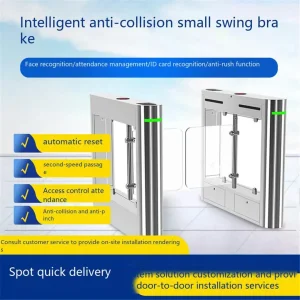
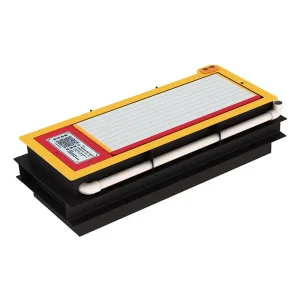
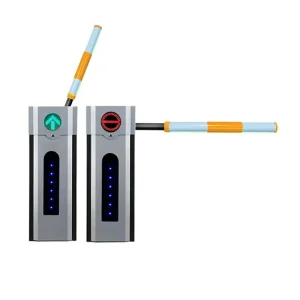
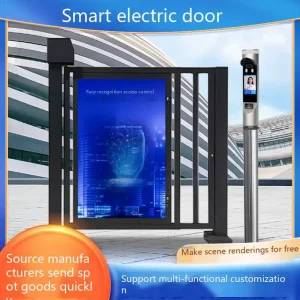
Engineering External Sliding Doors & Automation Gates
In modern industrial facilities, logistics hubs, and secure premises, external sliding doors and cantilever tracking barriers form the primary frontline for environmental isolation and perimeter defense.
Structural Integrity & Wind Load Dynamics
External sliding systems must withstand extreme atmospheric turbulence. By utilizing hot-dip galvanized structural steel or marine-grade extruded aluminium alloy profiles, cantilevered sliding designs eliminate continuous ground tracks, mitigating debris clogging, snow freeze, and pavement displacement common in heavy industrial yards.
Cost Engineering vs. Lifecycle TCO
Achieving cost-effectiveness does not mean compromising structural yield strength. Optimized bill-of-materials (BOM), standardized brushless DC (BLDC) motor drive units, and modular guide assemblies dramatically reduce initial capital outlay (CapEx) while delivering an operational Mean Time Between Failures (MTBF) exceeding 5,000,000 cycles.
Intelligent Edge-IoT Integration
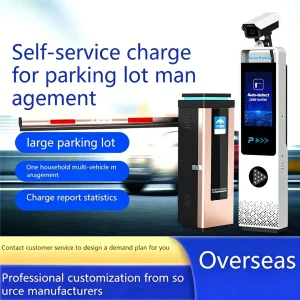
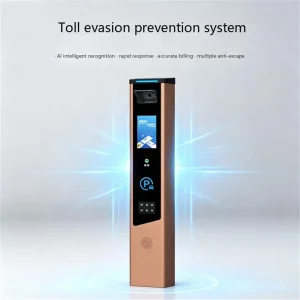
Next-generation external sliding door architectures coordinate directly with automated entrance systems. Combining license plate recognition (LPR), long-range RFID, smart rising bollards, and rapid-response safety photocells ensures uncompromised vehicular passage and real-time auditability across high-density logistic hubs.
International Procurement Landscape & Price Factors
The global demand for industrial and commercial sliding access doors is shifting toward automated, low-maintenance, and climate-resilient architectures.
Global Supply Dynamics
European and North American manufacturers often charge heavy premiums driven by fragmented localized assembly and excessive reseller markups. In contrast, Shenzhen-based high-tier manufacturing clusters leverage mature industrial supply chains, providing high-precision CNC tooling, laser-cut cold-rolled steel, and certified drives at 30% to 50% lower aggregate cost.
Climate Adaptability Engineering
From the high-humidity, salt-mist maritime ports of Southeast Asia to the intense thermal fluctuations (-30°C to +65°C) of Gulf regions and Northern European hubs, external sliding doors require IP65-rated drive enclosures, thermal protection relays, and anti-corrosive powder finishes to prevent premature mechanical seized states.
Standardization & Modularity
To reduce international freight rates, contemporary external sliding door units feature modular bolt-together structural leaves rather than unwieldy solid frames. This packing strategy allows sea-freight container volume optimization, yielding drastic reductions in logistics expenses for overseas contractors and engineering distributors.
| Door / Perimeter System Tier | Typical Clear Opening Width | Drive Mechanism & Duty | Estimated Direct Factory Price (USD) | Primary Industrial Application |
|---|---|---|---|---|
| Light-Commercial Tracked Sliding | 3.0m - 5.0m | AC 220V / DC 24V (400W), 60% Duty | $450 - $950 / leaf set | Residential Communities, Small Warehouses |
| Industrial Heavy Cantilever Gate | 6.0m - 12.0m | Brushless DC (BLDC) Heavy-Duty, 100% Continuous | $1,200 - $2,800 / complete unit | Manufacturing Plants, Freight Terminals, Logistics Hubs |
| Ultra-Wide Telescopic Multi-Leaf Gate | 12.0m - 24.0m | Synchronized Frequency Inverter Drive (3-Phase) | $3,200 - $6,500 / system | Airport Perimeter, Military Depots, Marine Docks |
| Integrated Autonomous Entry Lane Package | Standard Lane (3.5m - 4.5m) | External Sliding + High-Speed Barrier + AI LPR | $1,800 - $3,900 / lane setup | Smart Industrial Parks, Unattended Toll Checkpoints |
Regulatory Compliance & Comprehensive Engineering Backing
Deployment across international boundaries demands unwavering adherence to global machine directives and field-proven remote execution.
Safety Standards (EN 12453 / UL 325)
Compliance with international entrapment protection standards via certified resistive safety edges, dual photoelectric beam monitoring, and integrated current-sensing anti-crush algorithms that reverse leaf movement within 100 milliseconds of contact.
Turnkey Technical Documentation
Export orders ship with comprehensive CAD civil foundation blueprints, terminal loop sensor wiring schematics, and bilingual technician field calibration instructions to facilitate flawless local installation by regional contractors.
Continuous Remote Tier-3 SLA
Dedicated Shenzhen factory engineers provide real-time diagnostic guidance via direct video telemetry and WhatsApp channels, resolving firmware configurations, loop detector timing, and control board settings without costly overseas delays.
Reinforced Seaworthy Packing
Every gate leaf, mechanical gear rack, and electronic control box is wrapped in heavy-duty vapor-corrosion-inhibitor (VCI) films and encased in certified fumigated plywood crates to safeguard integrity across prolonged ocean voyages.
Target Deployment Contexts for External Automated Gates
Analyzing critical physical access control implementation environments across primary industrial and municipal sectors.
Intermodal Logistics Depots & Dry Ports
Demands wide-span continuous-duty cantilever sliding gates capable of handling hundreds of 40-foot container trucks daily. Automated opening speeds of up to 0.5 m/s paired with automated plate logging minimize perimeter bottlenecking and freight dwell periods.
Secured Commercial Campuses & Data Centers
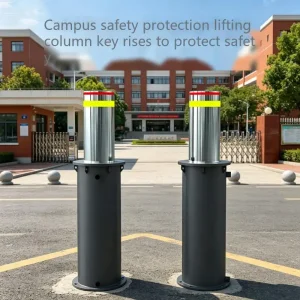
Requires redundant physical perimeter defense. External architectural sliding gates operate in tandem with heavy anti-ram rising bollards, preventing tailgating and unauthorized vehicular breach via bi-directional access validation and interlocking sally port control.
Gated Industrial Estates & Subdivisions
Balances high perimeter aesthetic standards with robust security. Features quiet-operating BLDC belt or rack-and-pinion actuators, customizable decorative louver panels, long-range RFID proximity readers, and integrated app-controlled authorization for property managers.
Technological Roadmap: The Evolution of External Gate Automation
Examining hardware, software, and motor engineering paradigms projected to redefine perimeter physical access systems.
Brushless DC Drives
Widespread migration from high-friction AC worm-gear drives to high-torque digital BLDC motors, achieving 80% electrical efficiency, variable speed profiling, and integrated battery-backup autonomy during grid blackouts.
Edge-AI Vision Integration
Replacing standard loop detectors with integrated neural network optical sensors capable of differentiating human pedestrians, bicycles, and multi-axle trucks to dynamically tailor opening strokes and prevent collision events.
Predictive Cloud Maintenance
Onboard IoT vibration and thermal micro-sensors monitoring carriage bearing wear and motor strain, alerting regional maintenance contractors weeks before physical roller failure or rack disengagement occurs.
Autonomous Sally Ports
Full integration with commercial automated guided vehicles (AGVs) and smart delivery fleets, utilizing zero-trust encrypted cryptographic handshakes for entirely unmanned perimeter industrial throughput.
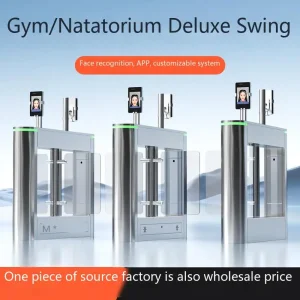
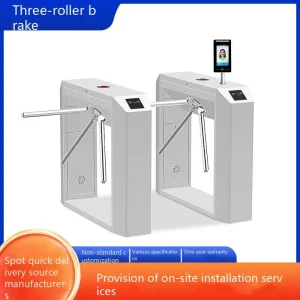
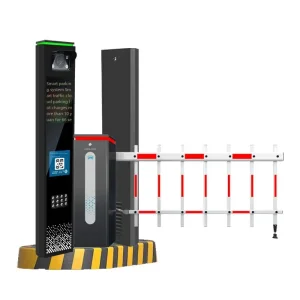
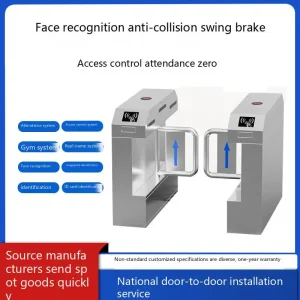
Specialized Security & Access Control Systems
Explore high-performance speed turnstiles, heavy bollards, advanced parking management, and industrial boom barriers built to international standards.

Frequently Asked Questions on External Sliding Gate Systems
Definitive engineering answers addressing installation, motor selection, maintenance cycles, and direct international shipping.
Tracked vs Cantilever Sliding Doors: Which is more cost-effective?
Tracked gates incur lower initial gate leaf fabrication costs but require extensive civil foundation work and long-term track cleaning. Cantilever systems, while requiring a 30-40% longer counterbalance leaf and heavier rolling carriages, eliminate ground track civil excavation and debris vulnerabilities, delivering an overall lower Total Cost of Ownership (TCO) in industrial sites.
What motor specifications should be prioritized for external heavy gates?
For gates weighing above 800 kg or subject to sustained high-wind exposure, specify 24V or 36V Brushless DC (BLDC) motors with heavy duty planetary gearboxes. Unlike traditional AC induction units that overheat under intensive cycles, BLDC actuators remain cool, permit soft start/stop profiling, and seamlessly run off battery backup systems during local power cuts.
Can external sliding gates be integrated with LPR cameras and turnstiles?
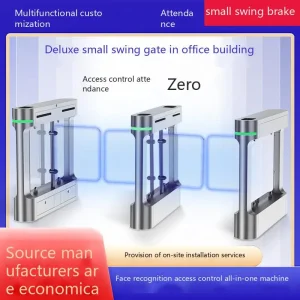
Yes. Modern access control architecture connects external sliding gates, high-speed barrier gates, automated license plate recognition (ALPR) cameras, and pedestrian turnstiles via standard Wiegand, RS485, or TCP/IP relay interfaces, enabling synchronized entry protocols and automated whitelist-based gate clearing.
How does Shenzhen Anrui support overseas installation and maintenance?
Every shipment is accompanied by complete anchor bolt positioning templates, wiring diagrams, and instructional video libraries. Our dedicated Shenzhen engineering division provides 7×24 direct technical support via messaging and video calls, ensuring local electrical contractors calibrate gear meshing and limit switches accurately.