
Factory-Engineered Access Control & Recognition Units
High-performance integrated access barriers, ANPR vision heads, and smart terminal locks matched for low maintenance and rapid return on capital.
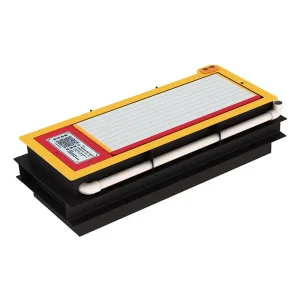
Easy-maintainable City Parking Product Factories, Price
View Specifications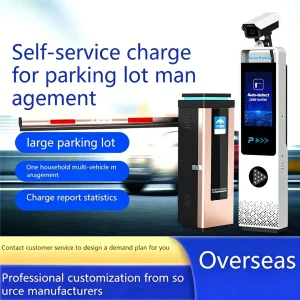
Buy Discount High-def license plate recognition machine Dolphin I model Exporters, In Sales
View Specifications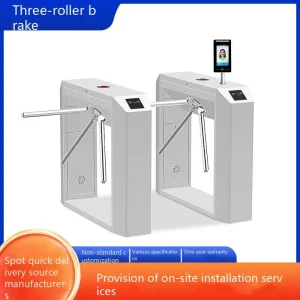
Advanced Factoryoem/ODM Durable Smart Fast Speed Swing Automatic Used Industrial Gym Turnstile Gate Supplier, Factory
View Specifications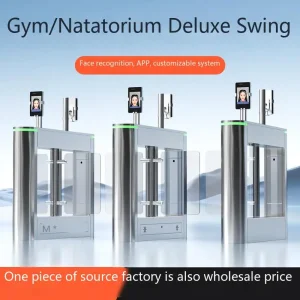
Buy Discount Office Building Entrance Attendance Security Access Control Turnstiles Gate Swing Barrier Speed Gate Manufacturers, Price
View Specifications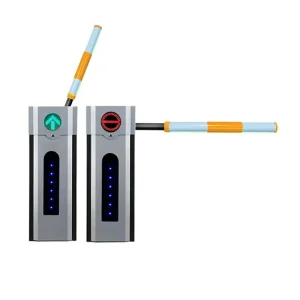
Easy-maintainable Intelligent Barrier Gate Model D11S Supplier, Quotation
View Specifications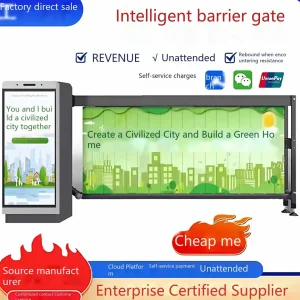
Buy Discount Intelligent Barrier Gate Model D03 Suppliers, Exporters
View Specifications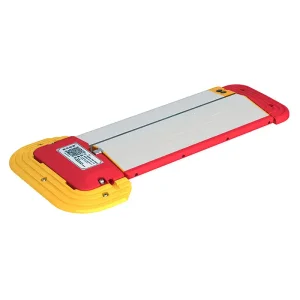
Cheap Scan to pay charging pilecommunity parking lock automatic sensing,electric shared scanning paymentanti-oil car occupying parking space Exporter, Pricelist
View Specifications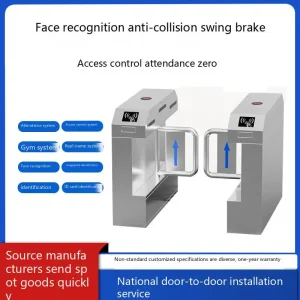
China Bridge Type Sloped Swing Gate Supplier, In Sales
View SpecificationsGlobal Enterprise Demand & Economic Shift toward Mobile LPR
Modern vehicular auditing has shifted decisively from cumbersome, inductive-loop infrastructure to dynamic, neural-network-powered Mobile Automatic Number Plate Recognition (mALPR). Municipalities, commercial operators, and logistics conglomerates require high-fidelity optical recognition delivered on flexible, low-power platforms.
Eliminating Infrastructure Capex
Traditional stationary LPR requires extensive civil trenching, inductive sensor embedding, dedicated gantry construction, and redundant cabling. Mobile and agile-mounted LPR cuts deployment setup times from weeks to hours, decoupling license verification from fixed asphalt constraints.
Dynamic Patrol & Flexible Audit
Enterprise facilities, port perimeters, and municipal curb spaces cannot be fully monitored by static lenses. Vehicle-mounted and mobile-cart recognition units audit thousands of parallel parking bays, chassis identification plates, and multi-national retroreflective surfaces on the move at speeds up to 120 km/h.
SaaS & Edge Disintermediation
Procurement teams are actively replacing closed proprietary systems with open ONVIF-compliant IP architectures. Factory-direct sourcing enables seamless RESTful API and MQTT stream ingestion straight into existing ERP and city-center parking payment frameworks without recurring vendor-lock licensing fees.
Cost-Effective Sales Tiers & Life-Cycle Valuation
Understanding the economics of mobile and integrated license plate recognition requires dissecting optical sensor tiers, embedded processor classes, and operational expenditures (OpEx).
| Solution Tier | Hardware Composition | Ideal Application Scenario | Typical Market Price Range | Procurement Advantage |
|---|---|---|---|---|
| Entry-Level Integrated | 1080p Starlight Lens + Embedded Micro-NPU + Single IR Array | Single-lane access, gated residential communities, small commercial depots | $280 – $650 / lane | Pre-configured plug-and-play logic directly triggering standard barrier gates |
| Enterprise Dual-Sensor | 4MP Dual Global Shutter Sensor + Dual Pulsed IR + On-device OCR Processor | Heavy-duty toll plazas, high-turnover logistics parks, hospital emergency entrances | $750 – $1,800 / lane | Zero vehicle stoppage required; eliminates skew error up to 45° capture angles |
| Vehicle-Mounted Dynamic Mobile | Dual/Quad Pan-Tilt Ruggedized Cameras + Ruggedized Edge Box + GNSS Tracking | Municipal parking enforcement, airport terminal sweeps, law enforcement patrol | $3,200 – $7,500 / vehicle kit | Continuous multi-lane scanning at road speed with instant geocoded plate logs |
| Autonomous Solar Mobile Trailer | LPR Turret + 400W PV Array + LFP Battery Bank + 4G/5G Industrial Gateway | Temporary festivals, mining perimeters, construction yards, disaster zones | $4,500 – $9,800 / unit | Completely self-powered; no trenching, zero diesel generator dependency |
Procurement Insight: Decoupling Hardware Margins from Software Monopolies
Global system integrators often face inflated long-term expenses through per-plate read fees or compulsory annual firmware subscription charges. Direct-from-Shenzhen engineering models offer pre-trained, on-device OCR inference engines that output structured JSON payloads directly over standard protocols, allowing clients to own 100% of their operational telemetry.
Vertical Industry Deployments & System Topologies
How turnkey vehicular vision pipelines integrate with existing physical barriers, security gates, and central management engines across varied industry environments.
Smart Logistics & Freight Corridors
Freight transport hubs suffer substantial throughput bottlenecks at weighbridges and check-in portals. Mobile LPR stations deployed at marshaling gates pair vehicle registration with ISO 6346 intermodal shipping container codes, automating dispatch orders without driver cabin exit.
Commercial Mixed-Use & Retail Malls
Modern commercial retail plazas rely on advertising barrier gates synchronized with LPR triggers. As authorized vehicles approach, the system initiates ticketless ingress while synchronizing personalized promotional media or loyalty program notifications on the dynamic gate screens.
Municipal Curbside & EV Enforcement
With EV charging parking spots frequently obstructed by non-charging fuel cars, mobile scanning patrols combined with smart ground locks automatically confirm EV status via optical plate cross-referencing, penalizing unauthorized parking without manual officer patrol.
Technological Roadmap: From Edge OCR to Multi-Modal VLM
The convergence of edge AI compute, Neuromorphic Vision, and Vision-Language Foundation Models (VLMs) is reshaping vehicular recognition capabilities for the next operational decade.
Phase 1: Ultra-Low-Power Edge NPUs
Transitioning recognition models from power-hungry x86 industrial PCs to 2.0-8.0 TOPS RISC-V and ARM neural processing units. This drops sensor power consumption below 7 Watts, making solar-powered remote mobile kits viable 365 days a year without supplementary grid feeds.
Phase 2: Multi-Modal Make/Model/Color (MMCR)
Plate recognition alone is insufficient against fraudulent cloned plates. Modern systems execute sub-second secondary classification analyzing bumper contour, vehicle color, manufacturer badge, and windshield sticker signatures to verify vehicle identity matching against motor vehicle databases.
Phase 3: V2X & 5G C-V2X Telemetry Integration
Next-generation mobile LPR devices operate as Intelligent Roadside Units (RSU). Rather than just photographing plates, they transmit edge verification signals directly into vehicular onboard units (OBUs) via dedicated short-range communications for instant automated tolling and automated parking guidance.
International Compliance, Privacy & Localization
Procuring intelligent vision equipment for cross-border projects requires strict adherence to international legal mandates, privacy laws, and regional optical requirements.
GDPR & Data Minimization (EU/North America)
Under Article 25 of the EU GDPR, captured footage must satisfy strict data protection by design. Our systems feature edge anonymization that automatically blurs non-target bystanders, passenger faces, and nearby unrelated vehicle plates before sending records to central storage servers.
Multi-Lingual Character Segmentation
Standard Western OCR models frequently misread Arabic calligraphy, Cyrillic typography, or non-reflective regional Asian plates. Anrui systems support dynamic multi-alphabet weight libraries, recognizing Latin, Arabic, Hebrew, and Asian logograms with zero external engine latency.
IP67 Enclosure & Climatic Resilience
Deployed everywhere from the Gulf region with +55°C heat to sub-zero Nordic conditions, all units are built with anti-corrosive powder coatings, nitrogen-sealed dual optic housings, automated defogging heating lenses, and lightning surge suppression up to 6kV.
Frequently Asked Questions
In-depth technical answers addressing software integration, optical calibration, system resilience, and supply chain timelines.
Complementary Physical Security & Barrier Gates
Engineered for comprehensive entrance management, combining optical license plate analytics with hydraulic rising bollards, articulated DC barrier arms, and speed turnstiles.
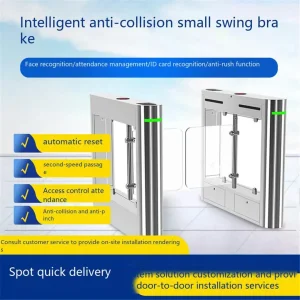
OEM Swing Gate Suppliers, Pricelist
View Specifications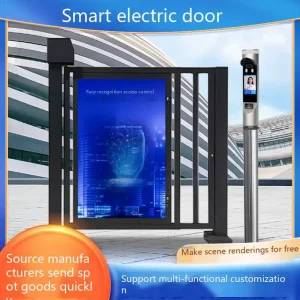
Buy Discount Intelligent pedestrian advertising gate Suppliers, Exporter
View Specifications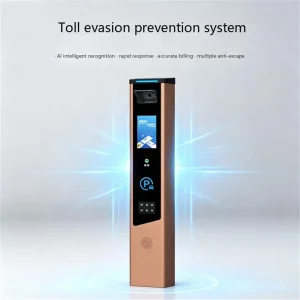
Cheap High definition license plate recognition integrated - AnRuitong II Manufacturer, Factories
View Specifications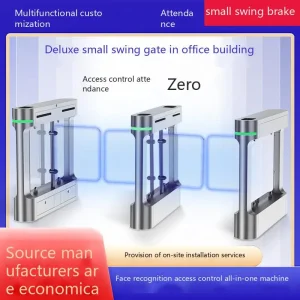
Buy Discount Swing Gate Image Reference Suppliers, In Sales
View Specifications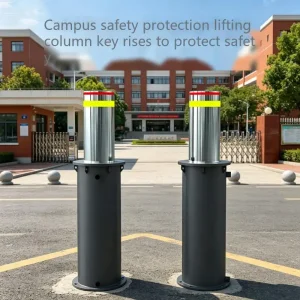
High-Quality Rising Bollard Instruction Manual In Sales, Price
View Specifications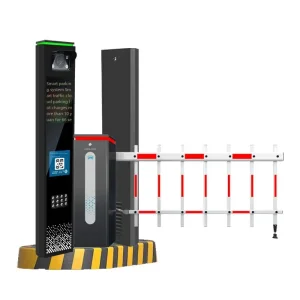
Cost-Effective Car Parking And Toll Access Control Automatic Articulated DC Parking Boom Barrier Gate With Long Range Rfid Reader Suppliers, Factory
View Specifications
Buy Discount High-def license plate recognition machine Dolphin I model Exporters, In Sales
View Specifications