
Industrial Grade Vehicle Access & Perimeter Hardware
Explore our top 8 high-performance automated entrance units engineered for continuous 100% duty cycles, featuring intelligent torque feedback, high-speed boom actuation, and multi-sensor lane synchronization.
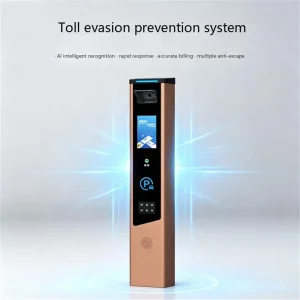
Cheap High definition license plate recognition integrated - AnRuitong II Manufacturer, Factories
Request Quotation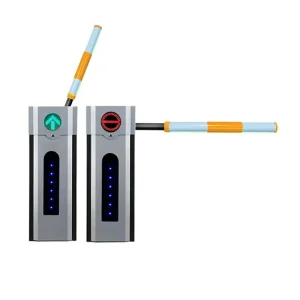
Easy-maintainable Intelligent Barrier Gate Model D11S Supplier, Quotation
Request Quotation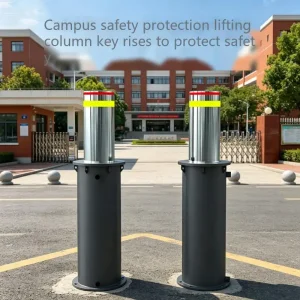
High-Quality Rising Bollard Instruction Manual In Sales, Price
Request Quotation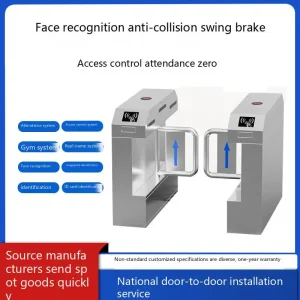
China Bridge Type Sloped Swing Gate Supplier, In Sales
Request Quotation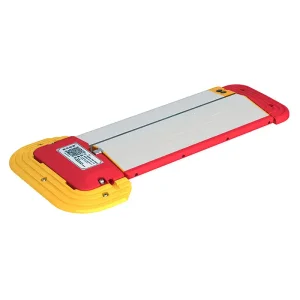
Cheap Scan to pay charging pilecommunity parking lock automatic sensing,electric shared scanning paymentanti-oil car occupying parking space Exporter, Pricelist
Request Quotation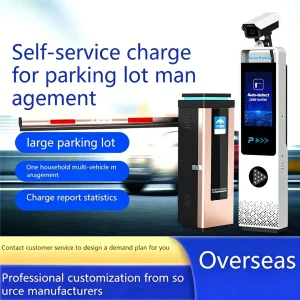
Buy Discount High-def license plate recognition machine Dolphin I model Exporters, In Sales
Request Quotation
Buy Discount Intelligent Barrier Gate Model D03 Suppliers, Exporters
Request Quotation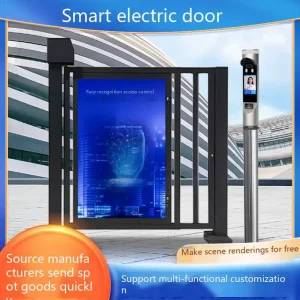
Buy Discount Intelligent pedestrian advertising gate Suppliers, Exporter
Request QuotationCE Certification Mandates & Kinetic Safety Standards
Navigating European Machinery Directive 2006/42/EC, Low Voltage Directive 2014/35/EU, and Electromagnetic Compatibility Directive 2014/30/EU for automated perimeter barriers.
In municipal traffic management, commercial parking facilities, and high-security critical infrastructure, selecting automatic parking barrier systems demands compliance far beyond superficial mechanical movement. Procurement specialists and municipal engineers prioritize verified CE (Conformité Européenne) marking as a baseline for structural integrity, electrical insulation, and operational safety. A genuine CE certified parking barrier incorporates compliance under harmonized standards, notably EN 12453 (Safety in use of power operated doors and barriers - Requirements) and EN 12445 (Safety in use of power operated doors - Test methods).
EN 12453 Dynamic Force Testing Benchmark: When an automated boom barrier descends upon an obstruction, the dynamic peak force must not exceed 400 N at the closure edge, decaying below 150 N within 0.75 seconds, and dropping to under 25 N within 5 seconds. Our digital servo-controllers achieve instant torque reversal in under 0.08 seconds via Hall effect rotational feedback.
Holistic Mechanical & Electrical Safeguards
Modern parking barriers operate in diverse, harsh environments—from -35°C Nordic winters to +75°C Middle Eastern desert summers. Meeting the Low Voltage Directive (LVD) ensures complete galvanic isolation between internal 24V/36V Brushless DC motor circuitry and standard 110V/230V mains inputs. Furthermore, electromagnetic compatibility (EMC under EN 61000-6-2 and EN 61000-6-4) prevents radio-frequency interference from corrupting sensitive nearby hardware such as ultra-high-frequency (UHF) RFID readers, electronic toll transaction terminals, or adjacent inductive ground loop detectors.
Dynamic Impact Anti-Crush
Hall-sensor brushless motor controllers detect load resistance anomalies within 15 milliseconds, instantaneously stopping and reversing the barrier arm to protect pedestrians and vehicles.
- Active algorithmic current tracking
- Mechanical clutch manual release
- Rubberized silicone anti-shock edge
Multi-Frequency Loop Compatibility
Dual-channel inductive vehicle detectors prevent cross-talk when multiple barrier gates are installed side by side, ensuring false triggers do not cause premature descent.
- 4-level frequency adjustment switch
- Automatic sensitivity boosting (ASB)
- Environmental drift compensation
77GHz FMCW Radar Integration
Advanced millimeter-wave radar modules replace subterranean ground loops, detecting both metallic chassis and human pedestrians with zero pavement excavation required.
- Adjustable detection zones (1-6 meters)
- Immune to rain, fog, dust, and snow
- Eliminates civil engineering asphalt cuts
The Shenzhen Industrial Advantage: Precision, Scale & TCO
Why Tier-1 international integrators, EPC contractors, and access control distributors partner with Shenzhen manufacturing clusters for custom barrier gate deployments.
Vertical Integration
From aluminum die-casting, high-precision CNC planetary gear hobbing, to surface electrostatic powder coating, all processes operate in-house under strict ISO 9001:2015 controls.
Semiconductor Proximity
Direct access to the Pearl River Delta electronics supply chain ensures prompt component sourcing, rapid firmware updates, and competitive microchip availability.
OEM / ODM Tailoring
Custom cabinet architectural color palettes (RAL charts), tailored boom lengths (1.5m to 6m), articulated ceiling-clearance bends, and customized client laser badging.
45% Capex Optimization
Capital expenditure savings of up to 45% compared to legacy Western European brands, with matched or superior mean cycles between failure (MCBF > 10M cycles).
Technological Evolutions Shaping the Parking Barrier Industry
Transitioning from traditional mechanical AC induction drives to smart AI-integrated PMSM brushless servo platforms.
The global access automation landscape is undergoing an irreversible technological shift. Traditional AC motor architectures—notorious for thermal degradation, mechanical friction wear, limited duty cycles, and erratic limit switch adjustments—are rapidly being phased out by smart city operators. The contemporary standard mandates Brushless Direct Current (BLDC) and Permanent Magnet Synchronous Motors (PMSM) driven by Field-Oriented Control (FOC) vector drives.
Brushless DC & PMSM Servos
Direct digital motor control yields 100% duty cycles without thermal shutdown. Operates on 24VDC with low power draw and can be backed up by a 24V solar/UPS battery package.
- Variable ramp-up and decelerated soft-stop
- No carbon brushes to replace; silent acoustic profile
- Zero mechanical gear wear during idle holding
Edge-AI ANPR / LPR Convergence
License Plate Recognition cameras connect straight to barrier controller motherboards via TCP/IP or Wiegand/RS485, bypassing intermediate servers for true edge-computed entry.
- Sub-120ms identification-to-lift trigger
- Local offline whitelist/blacklist memory (up to 50k plates)
- Dual-shutter HDR for intense headlight compensation
IoT Protocol Interoperability
Barrier control boards integrate with modern smart city architectures via MQTT, RESTful APIs, and Modbus-TCP, feeding real-time telemetry back to municipal management hubs.
- Remote diagnostics & predictive maintenance warnings
- Real-time boom position feedback (%)
- Automated fault reporting & cycle counting
Macro Solutions & Localized Deployment Scenarios
Engineered configurations designed for the precise environmental, clearance, and operational demands of critical access lanes.
High-Speed Highway Toll (ETC)
Engineered for high-volume tollways. Delivers 0.6s to 0.9s raise speeds with breakaway carbon-composite or foam-padded arms to avoid vehicle damage during high-speed passes.
Commercial Advertising Plazas
Louvered fence-style or illuminated dynamic LED advertising panels generate recurring media ad revenue while managing heavy multi-tier shopper traffic.
Industrial Logistics & Freight
Heavy-duty, reinforced chassis accommodating 5m to 6m rigid or telescopic aluminum booms. Built to withstand strong crosswinds and resist dust, diesel exhaust, and chemical exposure.
Underground Multi-Level Garages
Equipped with 90° or 180° articulated folding arms that navigate tight subterranean ceiling clearances while spanning standard-width vehicle drive lanes.
Perimeter & Rising Bollard Matrix
Interlinked configurations where traffic barrier arms sync with heavy hydraulic anti-ram bollards or speed gates for layered, fail-secure vehicle credentialing.
Engineering Specification & Evaluation Matrix
Key parameters to benchmark when reviewing OEM supplier tenders, factory quotations, and project tender bills of quantities (BOQ).
| Evaluation Parameter | Legacy AC Induction Barriers | Modern DC Brushless / Servo (Anrui Standard) | Impact on Project Lifecycle (TCO) |
|---|---|---|---|
| Motor & Drive Core | 220V AC asynchronous motor with capacitor | 24V/36V Brushless DC (BLDC) Servo Drive | Eliminates motor burnout; reduces electricity usage by 65%. |
| Duty Cycle Capability | 40% to 60% (thermal trips under peak loads) | 100% continuous duty cycle (no thermal pauses) | Prevents lane bottlenecks during morning and evening rush hours. |
| Speed Actuation Control | Fixed speed (typical 3s to 6s) | Programmable variable speed (0.6s to 6.0s) | Allows one barrier chassis to serve highway, commercial, or residential gates. |
| Mechanical Service Life (MCBF) | 1,000,000 to 2,000,000 cycles | 5,000,000 to 10,000,000+ cycles | Triples operational lifespan; drops service call frequency by 70%. |
| Ingress Protection & Finish | IP44 / Thin single-layer powder coat | IP54 to IP65 / 1.5mm cold-rolled steel + fluorocarbon | High resistance to coastal salt spray, moisture, and intense UV yellowing. |
| Safety Sensor Interfaces | Basic dry contact relay loop input | Radar, dual-loop, optical encoder, infrared, CAN-bus | Meets strict EN 12453 safety guidelines for pedestrian and vehicle anti-crush. |
Direct Factory Cost Driver Breakdown
When requesting an export quotation from a Chinese barrier gate manufacturer, the unit price correlates with specific component choices:
- Cabinet Material: Standard 1.5mm cold-rolled carbon steel for dry climates vs. 2.0mm 304 or marine-grade 316 stainless steel for salty coastal installations.
- Gearbox Mechanism: Die-cast worm gears (lower cost, moderate lifespan) vs. precision planetary gear reducers (high torque, quiet running, 10M+ cycle lifespan).
- Boom Arm Features: Standard octagonal aluminum profile vs. LED-illuminated safety light-strips, swing-away breakaway brackets, or articulated 90° folding joints.
- Bundled Control Hardware: Standalone manual push-button triggers vs. integrated IP cameras with built-in deep-learning plate recognition engines and UHF RFID readers.
Specialized Turnstiles, Advertising Gates & Parking Locks
Explore our full line of access control equipment. Combine vehicle boom gates with commercial advertising barriers, hydraulic rising bollards, and pedestrian speed gates for a unified facility perimeter.
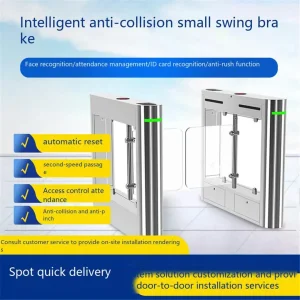
OEM Swing Gate Suppliers, Pricelist
Request Quotation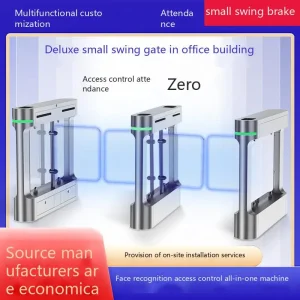
Buy Discount Swing Gate Image Reference Suppliers, In Sales
Request Quotation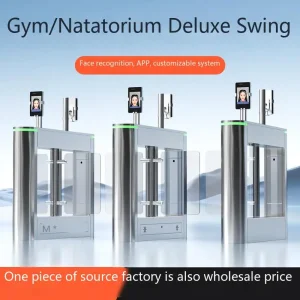
Buy Discount Office Building Entrance Attendance Security Access Control Turnstiles Gate Swing Barrier Speed Gate Manufacturers, Price
Request Quotation
Easy-maintainable City Parking Product Factories, Price
Request Quotation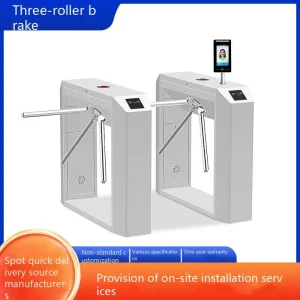
Advanced Factoryoem/ODM Durable Smart Fast Speed Swing Automatic Used Industrial Gym Turnstile Gate Supplier, Factory
Request Quotation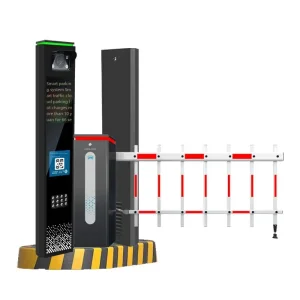
Cost-Effective Car Parking And Toll Access Control Automatic Articulated DC Parking Boom Barrier Gate With Long Range Rfid Reader Suppliers, Factory
Request Quotation
Easy-maintainable Intelligent Barrier Gate Model D11S Supplier, Quotation
Request Quotation
Buy Discount Intelligent pedestrian advertising gate Suppliers, Exporter
Request QuotationFrequently Asked Technical Questions
In-depth answers from our engineering desk covering electrical design, safety compliance, civil installation, and system integration.
How do I confirm whether a supplier's CE certificate is genuine?
A valid CE certificate must state the applicable directive (e.g., 2006/42/EC for Machinery or 2014/30/EU for EMC) along with harmonized test standards (such as EN 12453, EN 60335-1, or EN 61000-6-3). Check that the issuing body is an accredited European Notified Body (NB) with an identifiable 4-digit registration number verifiable on the European Commission's NANDO database. We supply complete EMC/LVD test reports alongside the Declaration of Conformity (DoC) with every order.
Why should I choose 24V DC Brushless motors over 220V AC motors?
24V/36V DC brushless servo motors do not generate the internal friction heat typical of AC induction units, allowing continuous 100% duty cycles without thermal tripping during peak hours. They also support precise acceleration/deceleration speed curves to reduce mechanical gear stress, offer fine-tuned anti-crush sensitivity, and can run on 24V battery backups or solar arrays during mains power outages.
Can radar sensors fully replace traditional ground loops?
Yes. Modern 77GHz to 79GHz millimeter-wave FMCW radar units detect both moving and stationary vehicles, as well as pedestrians, with higher reliability than traditional magnetic coils. They mount directly on the barrier cabinet, removing the need to cut slots into asphalt or concrete—which protects road surfaces, cuts installation labor by over 60%, and avoids water penetration damage.
How does the system operate during sudden mains power outages?
Our barriers include an integrated manual mechanical clutch that disengages the gearbox with a single key turn, allowing personnel to raise the boom manually. Alternatively, systems can be fitted with an automatic capacitor or 24V battery-backup module that automatically lifts the boom to a fail-safe open position when input power is lost, in compliance with municipal fire safety codes.
What boom arm lengths and speeds are ideal for ETC lanes vs. commercial lots?
High-Speed Electronic Toll Collection (ETC) and highway lanes typically use 2.5m to 3.0m carbon fiber or light aluminum octagonal arms operating at 0.6s to 0.9s. Standard commercial parking structures and residential communities usually use 3.5m to 4.5m arms with a 1.5s to 2.5s lift speed, balancing safe driver visibility with steady throughput.
Can the barrier motherboard integrate with third-party LPR or access software?
Yes. Our control boards provide universal optocoupler-isolated dry contact inputs (Open, Close, Stop), Wiegand 26/34 interfaces, and RS-485 Modbus RTU communication channels. They integrate smoothly with leading access controllers, UHF RFID transponders, parking revenue management software, and building automation suites via simple SDK/API endpoints.
What anti-corrosion protection is applied for coastal and high-humidity areas?
For coastal and offshore projects subject to high humidity and salt spray, cabinets undergo an acid wash, zinc phosphate pre-treatment, and an electro-deposited primer coat, followed by a 100-micron electrostatically applied architectural fluorocarbon powder coating (or optional 316 stainless steel housings). Internal circuit boards feature a silicone conformal coating to prevent corrosion and condensation shorts.
What is the standard production lead time and export sea packaging?
Standard production lead times range from 7 to 10 working days for volume orders up to 50 units, and 15 to 20 days for custom OEM/branding orders. Products are packed for export in shock-absorbent multi-layer pearl foam, moisture-sealed polythene film, and reinforced ISPM-15 compliant fumigated honeycomb or solid wooden shipping crates to protect components during transoceanic transit.