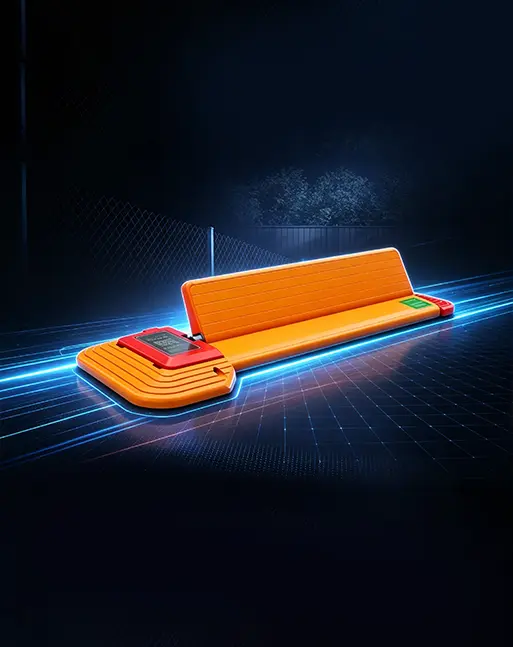
Featured Parking Automation & Car Stopper Infrastructure
Engineered in our 8,000 m² ISO-audited factory to streamline high-throughput access points, guarantee boundary isolation, and deliver uninterrupted duty-cycles.
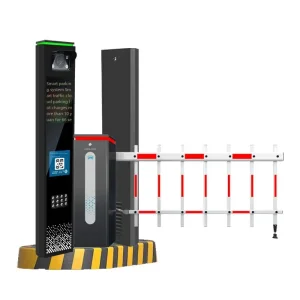
Cost-Effective Car Parking And Toll Access Control Automatic Articulated DC Parking Boom Barrier Gate With Long Range Rfid Reader
Inquire Factory Price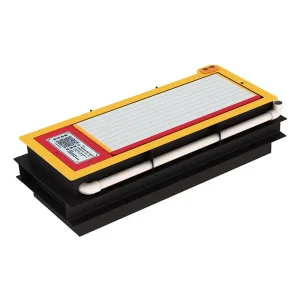
Easy-maintainable City Parking Product Factories, Price
Inquire Factory Price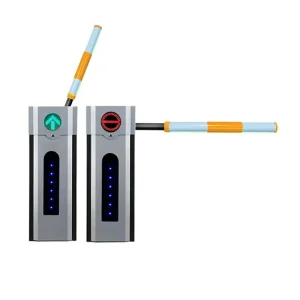
Easy-maintainable Intelligent Barrier Gate Model D11S Supplier, Quotation
Inquire Factory Price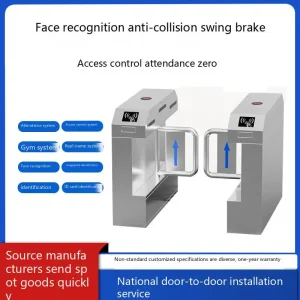
China Bridge Type Sloped Swing Gate Supplier, In Sales
Inquire Factory Price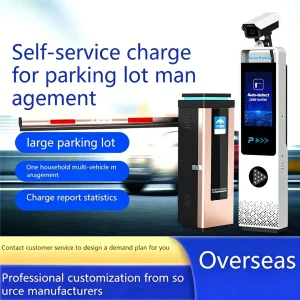
Buy Discount High-def license plate recognition machine Dolphin I model Exporters, In Sales
Inquire Factory Price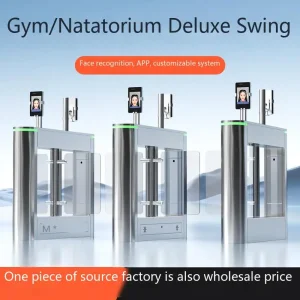
Buy Discount Office Building Entrance Attendance Security Access Control Turnstiles Gate Swing Barrier Speed Gate
Inquire Factory Price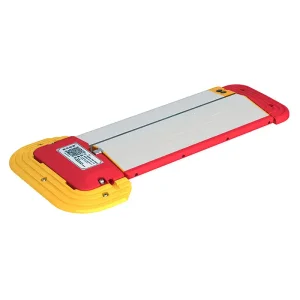
Cheap Scan to pay charging pilecommunity parking lock automatic sensing,electric shared scanning payment anti-oil car occupying parking space
Inquire Factory Price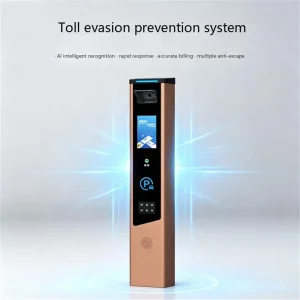
Cheap High definition license plate recognition integrated - AnRuitong II Manufacturer, Factories
Inquire Factory PriceParking Lot Car Stoppers: Engineering Evolution & Market Dynamics
Historically viewed as static, passive concrete blocks, modern parking lot car stoppers (wheel stops) and automated parking restraints have evolved into dynamic nodes of urban spatial safety and asset preservation.
High-Polymer Kinetic Damping
Moving beyond cracking Portland cement, modern car stoppers deploy vulcanized rubber and high-density polyethylene (HDPE). These composites yield a 38% reduction in impact shock, preserving vehicle chassis while stopping curb incursions completely.
EV Charging Bay Armor
With the global surge in DC fast chargers, car stoppers act as critical infrastructure safeguards. Precisely calculated heights (90mm-120mm) prevent battery encasement snagging while protecting expensive EV charging pedestals from reversing collisions.
Bulk B2B Procurement Economics
Tier-1 EPC contractors and global facility managers seek factory-direct discount sourcing. Sourcing at production scale from qualified Shenzhen manufacturers reduces freight-per-unit cost by up to 27% through modular stacking geometries.
Holistic Perimeter & Parking Control Matrix
A wheel stopper does not operate in isolation. Peak spatial management demands interconnected hardware loops where vehicle presence, automated barriers, and optical license audits harmonize seamlessly.
Motorized Intelligent Locks
Transforming passive car stopping into active reservation. Shared parking apps trigger mechanical rising flaps that physically block unauthorized bay occupancy.
Deep-Learning ANPR Nodes
High-speed dual-lens cameras execute plate ingestion under 150ms. Synchronized with internal bay stoppers to detect cross-bay parking anomalies.
High-Duty Boom Barriers
Equipped with brushless DC drives rated for 5,000,000 Mean Cycles Between Failures (MCBF), handling heavy mixed commercial commuter throughput.
Subsurface Hydraulics
Crash-rated anti-ram rising bollards deliver high-security access control at sensitive facility perimeters without interrupting architectural continuity.
Engineering Matrix: Stopper Materials Under Load
Selecting the precise wheel restraint structure determines lifespan, bolt pull-out torque resistance, and facility maintenance expenditure over a 10-year lifecycle.
| Evaluation Parameter | Vulcanized High-Tensile Rubber | Reinforced Pre-Cast Concrete | Co-Polymer Recycled Plastic | Anrui Smart Mechatronic Stopper |
|---|---|---|---|---|
| Load Bearing Capacity | Up to 20 Metric Tons | Up to 30 Metric Tons (Cracks easily) | Up to 15 Metric Tons | Up to 25 Metric Tons Dynamic |
| Impact Resistance | High Elastic Memory Return | Brittle Failure / Spalling Risk | Medium Elasticity / Scuff prone | Active Slip-Clutch Damping |
| Environmental Degradation | UV, Oil, and Salt Resistant | Freeze-Thaw Cracking Hazard | Thermal Expansion Sensitivity | IP68 Hermetic Sealed Drive |
| Installation Complexity | Low (2 Fasteners, Asphalt/Concrete) | High (Heavy machinery required) | Low (Lightweight surface pins) | Medium (Surface anchor + Battery/PV) |
| Automated Connectivity | Passive Mechanical Node | Passive Mechanical Node | Passive Mechanical Node | NB-IoT / LoRaWAN / Bluetooth Mesh |
Localization Support, ADA Compliance & Certifications
Cross-border procurement demands rigorous compliance with regional municipal building safety codes, accessibility parameters, and international chemical safety standards.
ADA Walkway Clearance Compliance
Compliant with US ADA regulations, mandating that wheel stops do not impede pedestrian pathways, preserving a continuous minimum 36-inch (915 mm) accessible path between stops and curbed structures.
CE, REACH & RoHS Verification
Raw rubber polymers and polyurethane coatings undergo testing for Polycyclic Aromatic Hydrocarbons (PAHs) and heavy metals, meeting strict European Union environmental imports requirements.
High-Luminance Optical Retroreflectivity
Integrated retroreflective molded prisms comply with ASTM D4956 specifications, ensuring wide-angle night retroreflectance for automated backup camera algorithms and manual drivers.
Technology Roadmap: 2026-2030 Smart Stopper Evolution
The next decade will see the complete fusion of physical wheel stops with autonomous vehicle telematics, embedded inductive battery charging arrays, and algorithmic space monetization.
Sub-Surface Piezoelectric Sensors
Self-powered piezoelectric pressure elements inside car stoppers harvest kinetic vehicular impact energy to power localized LoRaWAN occupancy reporting transmitters.
UWB Precision Docking
Ultra-Wideband (UWB) beacons mounted in vehicle stoppers interface with autonomous automated valet parking (AVP) protocols for millimeter-precise autonomous docking.
Dynamic Micropayment Integration
Smart locking stoppers communicate directly with in-vehicle digital wallets via secure ISO 15118 protocol handshakes, automating roadside billing without human intervention.
Photocatalytic Eco-Elastomers
Next-gen polymers infused with titanium dioxide (TiO2) nanoparticles react with ambient UV radiation to neutralize localized vehicle nitrogen oxide (NOx) emissions.
Frequently Asked Technical Questions
Detailed procurement answers curated directly by Anrui's technical sales and installation engineering team.
What are the key standard dimensions for commercial parking car stoppers?
How do you handle fastening into asphalt compared to cured concrete?
Can discount wholesale pricing be achieved on custom OEM branded units?
How do smart motorized parking stoppers protect internal drive mechanisms from water ingress?
What documentation and certifications are supplied with export shipments?
Enterprise Equipment Sourcing Portfolio
Pair your parking car stopper procurement with our end-to-end Shenzhen factory hardware ecosystem to reduce integration time on international project sites.
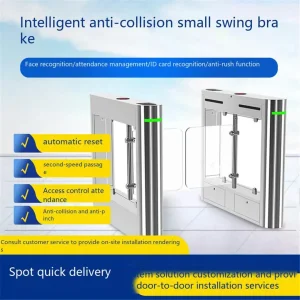
OEM Swing Gate Suppliers, Pricelist
Inquire Factory Price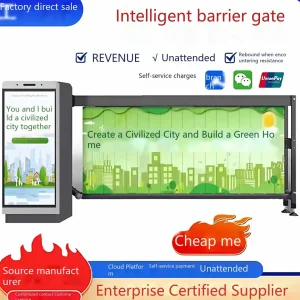
Buy Discount Intelligent Barrier Gate Model D03 Suppliers, Exporters
Inquire Factory Price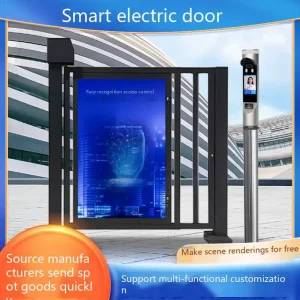
Buy Discount Intelligent pedestrian advertising gate Suppliers, Exporter
Inquire Factory Price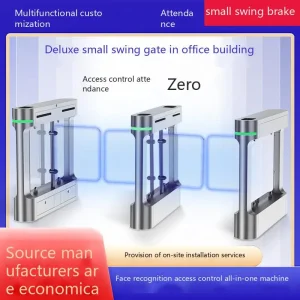
Buy Discount Swing Gate Image Reference Suppliers, In Sales
Inquire Factory Price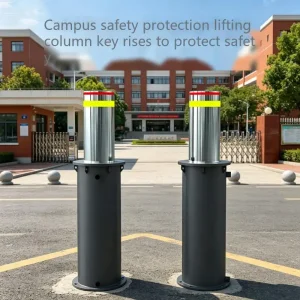
High-Quality Rising Bollard Instruction Manual In Sales, Price
Inquire Factory Price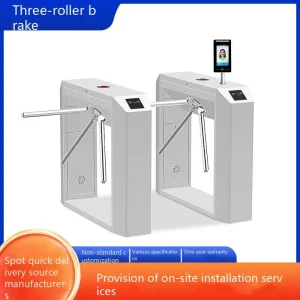
Advanced Factory OEM/ODM Durable Smart Fast Speed Swing Automatic Used Industrial Gym Turnstile Gate Supplier
Inquire Factory Price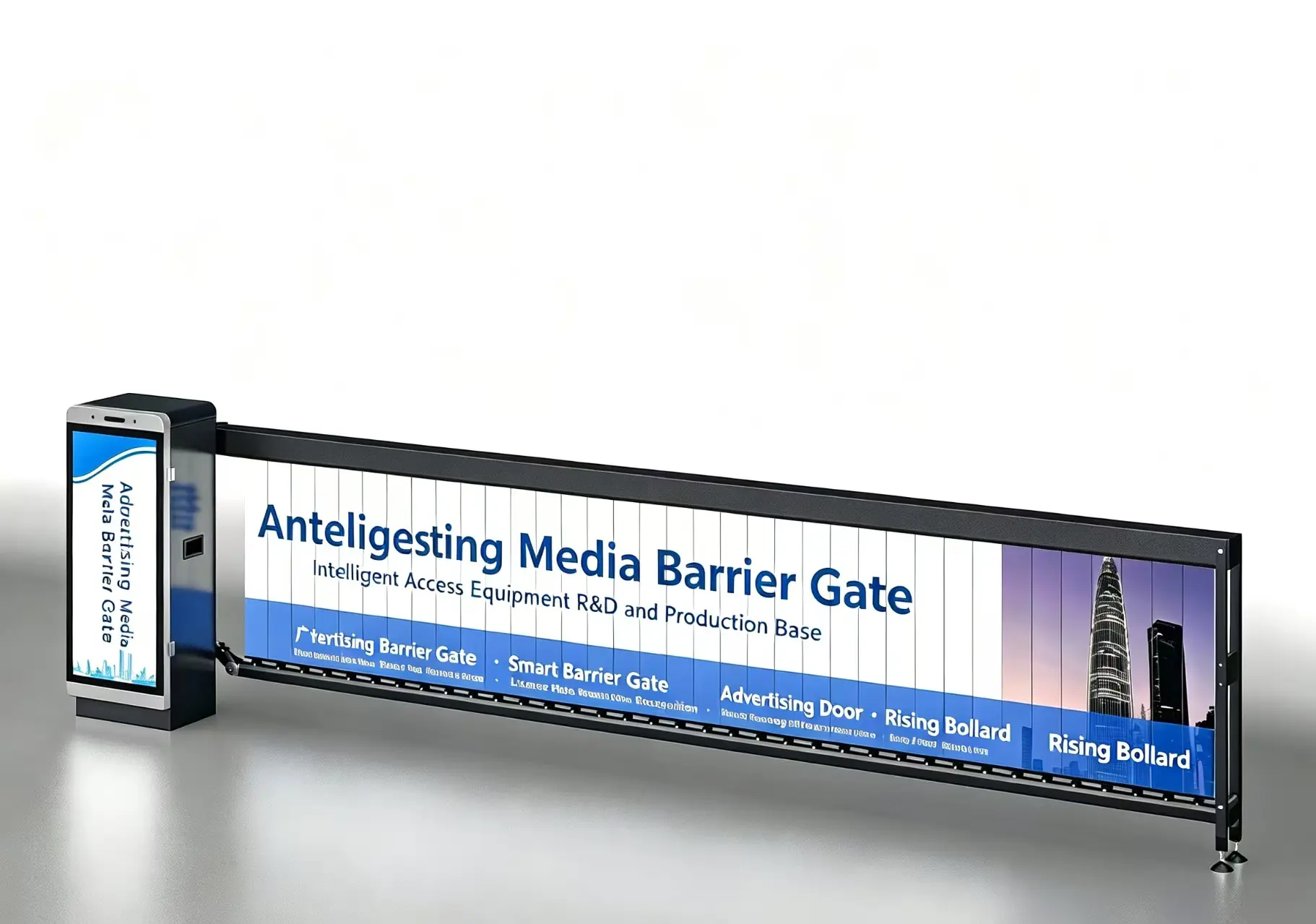
Heavy-Duty Louver Advertising Barrier Gate AR-GGD04 Commercial Parking Series
Inquire Factory Price