High-Throughput Access Control Solutions
Certified mechanical and motorized entry control modules precision-engineered for commercial lobbies, high-volume perimeter gates, and multi-tenant complexes.

Global Landscape: Three Roller Turnstiles in Modern Infrastructure
Why mechanical tripod turnstiles remain the most durable, capital-efficient, and ubiquitous crowd control device in high-density perimeter engineering.
Single-Pedestrian Anti-Tailgating Architecture
Unlike optical flap barriers that rely on complex optical sensor beams, the physical 120-degree rotation of a three-roller turnstile mechanically prevents unauthorized double-entry. This deterministic locking mechanism eliminates tailgating in unattended access points without false-alarm sensor triggers.
Unmatched Lifecycle Longevity
Engineered with heavy-duty internal solenoids, hydraulic damping shock absorbers, and brushless DC motors, premium tripod units achieve a Mean Cycles Between Failures (MCBF) exceeding 3,000,000 actions. This mechanical simplicity slashes ongoing maintenance overhead.
Emergency Auto-Drop Fail-Safe
International building codes and OSHA-aligned egress regulations mandate unhindered emergency evacuation. Modern intelligent three-roller mechanisms utilize electro-magnetic drop-arm technology: upon AC power interruption or fire signal trigger, the upper arm falls immediately.
The Chinese Manufacturing Advantage: Cost, Precision & Scale
How Shenzhen’s integrated AIoT and metalworking hardware ecosystem delivers tier-1 industrial grade physical security equipment at highly accessible pricing.
Vertically Integrated Metalworking
From high-precision fiber laser cutting of SUS304/SUS316 stainless steel to computerized robotic arm bending, CNC machining, and automated polishing, localized clustering in Guangdong eliminates multi-tier intermediate subcontracting costs, directly benefiting global procurement budgets.
Proprietary Brushless Core R&D
Chinese manufacturers have transitioned from antiquated purely mechanical ratchet systems to integrated BLDC (Brushless DC) drive units with embedded 32-bit ARM microcontrollers. This offers digital speed profiling, zero-wear magnetic encoder positioning, and ultra-quiet operation.
Standardized Modularity & OEM Flexibility
By leveraging standardized chassis dimensions and modular reader mounting plates, leading Chinese factories support custom OEM/ODM integrations (RFID, dynamic QR, Biometric Palm, and Facial Recognition) with turnaround times of just 7–14 days for full container loads.
Three Roller Turnstile Price Benchmarking & Cost Drivers
Analyze how drive mechanisms, stainless steel grades, and peripheral integration define factory wholesale quotes and direct field life-cycle expenses.
| Turnstile Classification | Core Drive Mechanism | Chassis Material Spec | Typical FOB Price (China) | Ideal Deployment Scenario |
|---|---|---|---|---|
| Standard Mechanical | Manual push, mechanical ratchet & spring reset | 1.2mm SUS201 / SUS304 Stainless Steel | $140 – $220 / Unit | Basic construction site access, temporary perimeter events |
| Semi-Automatic Solenoid | Electromagnet lock release, hydraulic damper | 1.5mm SUS304 Hairline Finish | $220 – $360 / Unit | Gymnasiums, factory time-attendance, educational facilities |
| Fully Motorized BLDC | Brushless DC motor, encoder tracking, auto-rotate | 1.5mm - 2.0mm SUS304 / SUS316 Outdoor | $380 – $650 / Unit | Heavy metro transit, commercial ports, premium corporate campuses |
| Anti-Corrosive Outdoor | Motorized / Semi-Auto with thermal heater & sealed IP66 | 2.0mm SUS316 Marine Grade or Powder Coat | $450 – $800 / Unit | Coastal oil refineries, public transport open terminals, chemical plants |
Raw Steel Quality (SUS304 vs SUS201)
Unscrupulous suppliers lower FOB quotes by utilizing inferior 201 series steel, which rusts rapidly in humid outdoor air. Reliable Chinese manufacturers insist on authenticated SUS304 (minimum 8% Nickel, 18% Chromium) to guarantee 10+ years of structural resistance.
Hydraulic Damper Engineering
The internal shock absorber absorbs the kinetic recoil energy of returning arms. High-grade German or Taiwanese hydraulic cylinders prevent rotational rebound, protecting internal gears and delivering a smooth, silent user passage.
Power Consumption & Duty Cycles
BLDC motor boards consume under 35W during rotation and virtually zero watts in idle standby. This thermal efficiency avoids heat buildup within sealed exterior enclosures during 24/7 continuous operations.
Engineered Applications Across Global Verticals
How specialized system integrators tailor three-roller turnstiles to solve strict operational bottlenecks across varied socio-economic environments.
Industrial Parks & Factories
Configured with ESD (Electrostatic Discharge) testers and biometric palm/face verification to prevent unauthorized assembly workers from entering cleanrooms or hazardous chemical zones.
Fitness & Sports Clubs
24/7 unattended gym access linked to cloud SaaS management platforms via dynamic QR codes, RFID wristbands, or mobile NFC credentials to strictly manage membership subscription validity.
Mass Transit & Ticketing
Integrated with high-throughput barcode scanners and magnetic ticket validators in subways, ferry docks, and intercity bus terminals to manage peak passenger crushes safely and efficiently.
Construction Sites & Mines
Paired with rugged full-height turnstiles or mobile containerized turnstile pods to enforce safety inductions, breathalyzer checks, and contractor attendance tracking in rugged, dusty settings.
Future Trends: Smart Access & Edge AI Integration
Next-generation pedestrian management hardware is transforming from isolated mechanical gateways into intelligent, edge-computing IoT nodes.
Edge-AI Biometrics on Device
Modern turnstile masterboards interface directly with onboard NPU (Neural Processing Unit) vision chips, allowing sub-0.2 second facial and mask-compliant recognition for up to 50,000 local templates without external server latency.
Predictive Cloud Telemetry
IoT-connected gateway boards stream telemetry data—including operational cycles, rotational friction anomalies, voltage spikes, and damper damping degradation—directly to building management systems (BMS) for predictive servicing.
Universal Open-Protocol Compatibility
Leading manufacturers are abandoning proprietary protocols in favor of open RESTful APIs, MQTT, and OSDP v2 (Open Supervised Device Protocol), ensuring seamless interoperability with access platforms from LenelS2, Honeywell, Hikvision, and Dahua.
Frequently Asked Questions for Project Engineers
In-depth technical answers addressing installation challenges, integration protocols, fire regulations, and export pricing mechanics.
What is the core technical difference between mechanical, semi-automatic, and fully automatic turnstiles?
How do three-roller turnstiles comply with emergency fire safety and building evacuation codes?
Can Chinese three-roller turnstiles integrate with third-party software like Paxton, Lenel, or Gallagher?
What is the recommended maintenance schedule to ensure maximum MCBF performance?
What are the key price determinants when evaluating OEM quotes from Shenzhen factories?
Complementary Vehicle & Pedestrian Hardware
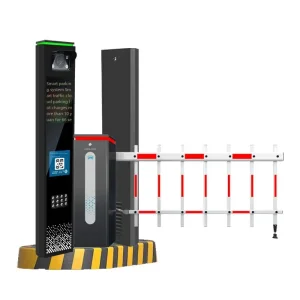
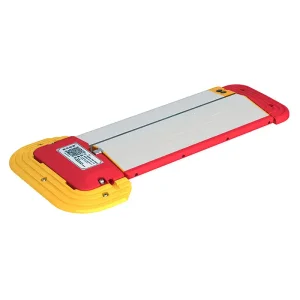
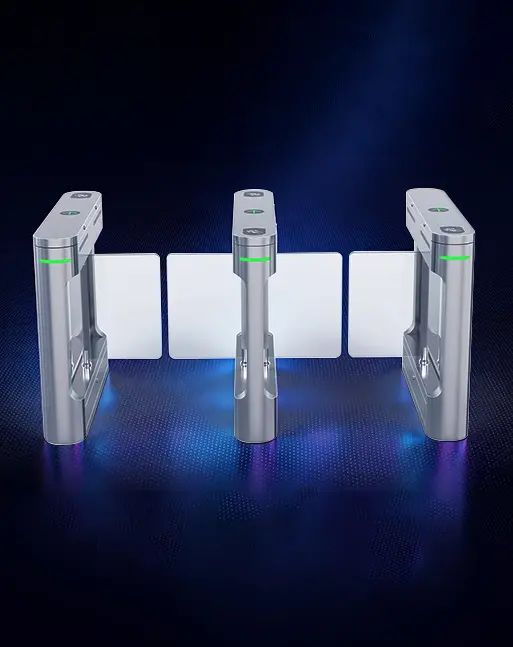
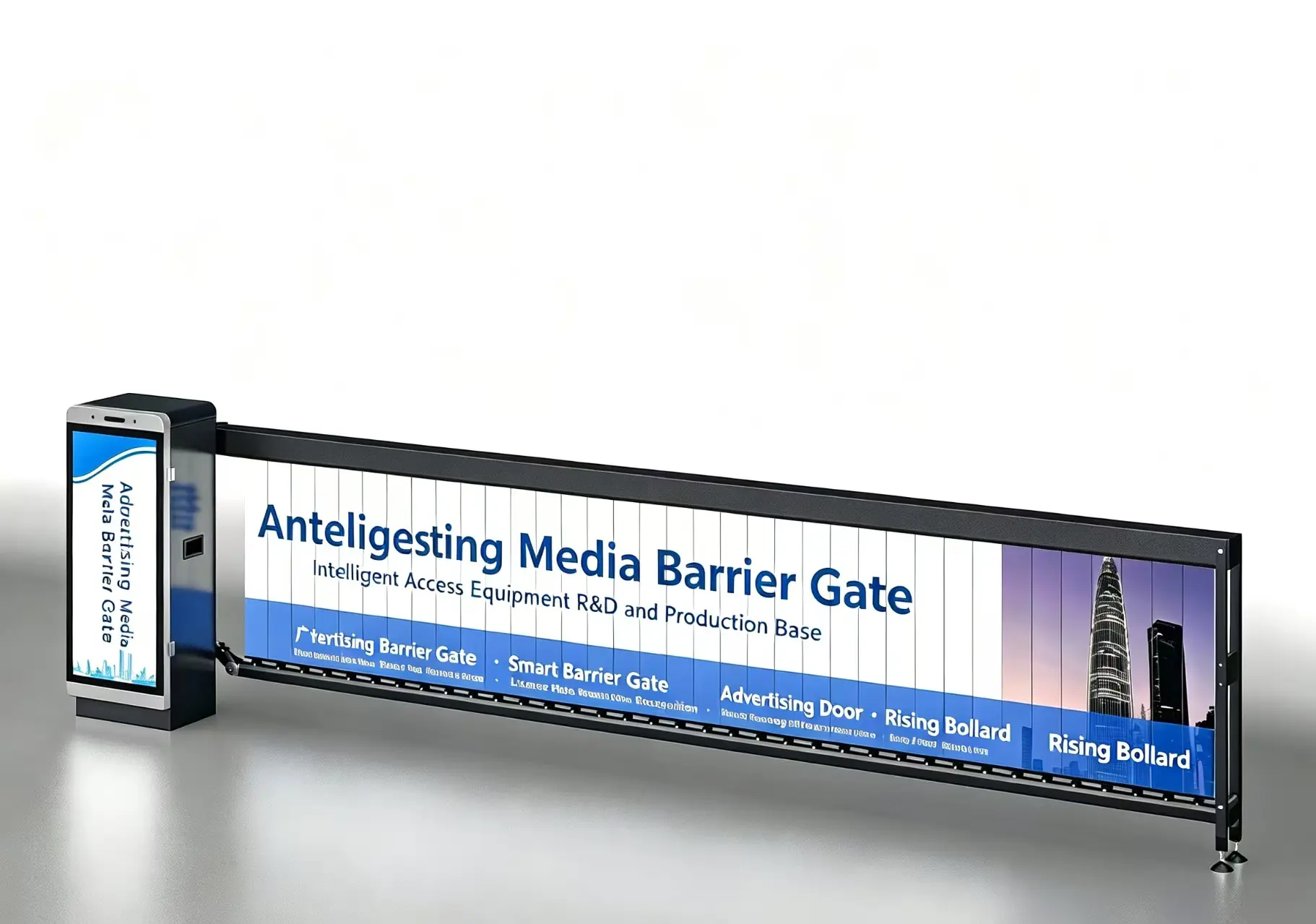
Explore related barrier gates, automatic swing turnstiles, rising security bollards, and intelligent parking access components.