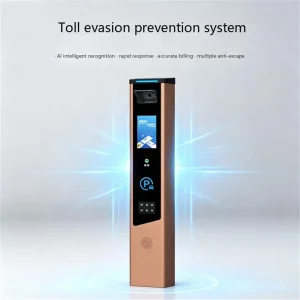
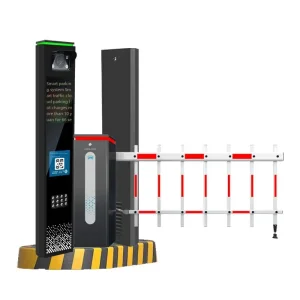
Integrated Vehicle Access & Detection Hardware
Precision-engineered perimeter security and detection apparatus optimized for edge-computing license plate recognition setups.
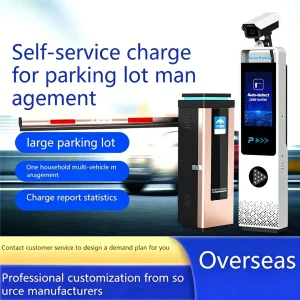
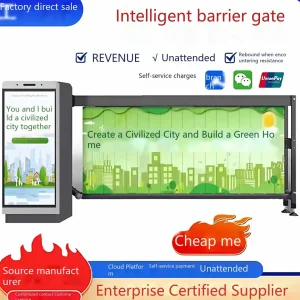
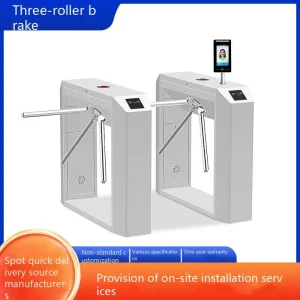
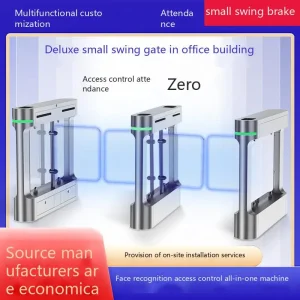
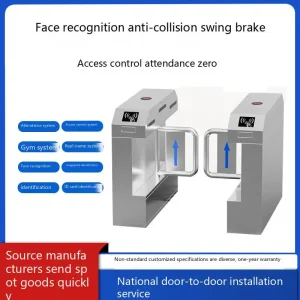
Market Economics: Budget-Friendly Number Plate Detection Cost Breakdown
Strategic acquisition metrics comparing commercial off-the-shelf components, custom development, and direct-from-manufacturer sourcing.
| System Architecture Tier | Hardware Components | Recognition Engine Type | Typical OEM Price (Per Lane) | Total Cost of Ownership (3-Year) |
|---|---|---|---|---|
| Entry-Level Standalone LPR | 2MP HD Sensor, White Fill Light, Fixed Bracket | Local Edge OCR (Basic Algorithmic) | $320 – $480 | Low maintenance, minimal integration fees |
| Enterprise AI-Edge Integrated | 4MP Sensor, Starlight Sensor, Auto-Iris, Motorized Boom | Deep Convolutional Neural Network (CNN) | $650 – $1,150 | Sub-cent maintenance, over-the-air firmware updates |
| Industrial High-Security Multi-Lane | Dual-Sensor LPR (Front/Rear), Rising Bollard Relay, Matrix Radar | Multi-Angle 3D AI Reconstruction | $1,400 – $2,300 | Highest MTBF (>5,000,000 continuous operations) |
Algorithmic Evolution: Next-Gen Deep Learning Engine
How modern edge computing bypasses traditional server-side bottlenecks to ensure zero-delay access control across heterogeneous traffic flows.
Neural Edge Processing
Onboard Neural Processing Units (NPUs) execute 2.0 TOPS computation locally. This eliminates dependence on central cloud connectivity, reducing data compliance risk and eradicating latency during high-density rush periods.
Multi-Font Syntactic Parsing
Trained across millions of plate samples worldwide, our vision models decipher bilingual scripts, embossed Latin fonts, Arabic characters, and complex symbols despite extreme angles up to 45 degrees or severe vehicle pitch.
Dynamic Illumination Balancing
Patented dynamic HDR integration combines starlight CMOS sensors with polarized optical filters. This eliminates headlight overexposure, solar flare reflections, and nighttime shadow distortions automatically.
Macro-Industry Solutions for Scalable Traffic Management
Tailored operational profiles bridging hardware control and software intelligence for critical enterprise infrastructure.
Commercial Parking Facilities
Enables ticketless ingress/egress lanes, frictionless payment automation (scan-to-pay & automated e-wallets), and aggressive space-maximization through integration with ultrasonic guidance systems.
Logistics & Intermodal Freight
Combines heavy-vehicle high-speed detection, trailer plate capture, and integration with dynamic weighbridges. Dramatically reduces freight terminal bottle-necks and streamlines customs validation.
Gated Residential & Smart Campuses
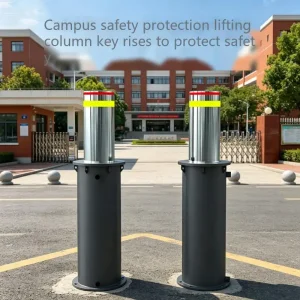
Comprehensive whitelist/blacklist automation, visitor appointment verification, anti-passback security measures, and perimeter rising-bollard integration for uncompromising multi-layered physical defense.
Shenzhen Precision Engineering & Supply Chain Resilience
Leveraging the world’s most advanced electronics hardware ecosystem to deliver cost advantages directly to global system integrators.
Component Agility
Direct Tier-1 partnerships with optical sensor, brushless DC motor, and processor foundries ensure zero component shortages and predictable production scheduling.
Automated Stress Rig
Every LPR camera and barrier gate undergoes rigorous 72-hour thermal cycling (-30°C to +70°C), IP66/IP67 ingress validation, and continuous high-cycle vibration tests before shipment.
Modular Assembly Lines
Our 8,000 m² facility utilizes automated SMT placement, robotic welding, and streamlined assembly cells to achieve maximum throughput with zero defect rates.
Standardized OEM/ODM
From housing coloration, silk-screen branding, and localized firmware configurations to customized API adaptations, OEM solutions scale seamlessly without excessive minimum orders.
Worldwide Compliance Standards & Localization Architecture
Rigorous international engineering practices ensuring immediate deployment legality, protocol harmony, and multi-jurisdictional compliance.
GDPR & Privacy By Design
Configurable dynamic plate obfuscation, automated data purging timelines, AES-256 encrypted payload transfers, and strict localized storage parameters prevent unauthorized biometric profiling.
Standardized API / ONVIF
Seamlessly integrates via ONVIF Profile S/G/T, MQTT, HTTP(S) POST, WebSocket, and Wiegand relays, communicating natively with platforms like Milestone, Genetec, and bespoke ERP solutions.
CE, FCC, RoHS Certified
Certified electromagnetic compatibility (EMC), low voltage safety directives (LVD), and strict hazardous material restrictions ensure friction-free importation and licensing across global jurisdictions.
Frequently Asked Questions for Project Directors
Key technical and budgetary inquiries addressed by our field engineering and international deployment teams.
How does edge recognition lower total system cost?
Edge recognition eliminates the need for expensive high-performance rack servers and recurring software licensing fees per lane. By offloading computational load directly onto onboard camera NPUs, network bandwidth requirements drop by up to 90%, and standard low-latency gigabit infrastructure is all that is required.
What is the standard lead time for custom OEM brand orders?
Standard catalog units ship within 3–5 business days. Full OEM customizations—including bespoke RAL powder coating, customized front glass silk screens, and localized pre-configured firmware builds—typically require 12–18 business days from engineering blueprint approval.
Can the recognition engine handle non-standard and reflective plates?
Yes. The dual-shutter sensor architecture dynamically captures simultaneous exposure levels. Combined with built-in polarized LEDs, the system completely filters out high-intensity reflections, tinted vehicle plates, and weathered characters under direct sun or rain.
What protocols are available for third-party billing integrations?
Our detection units provide comprehensive RESTful APIs, JSON webhooks over HTTPS, raw TCP socket streams, and direct database write capabilities. Whether connecting to local proprietary parking software or centralized cloud ERPs, integration takes minimal effort.
Integrated Smart Parking & Access Control Lineup
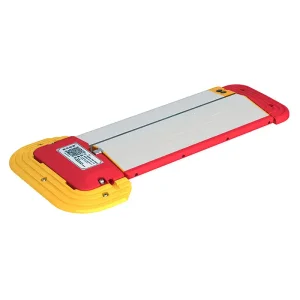
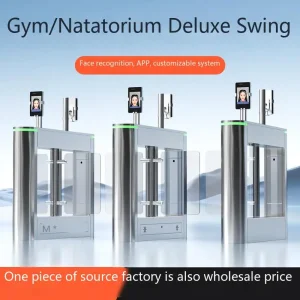
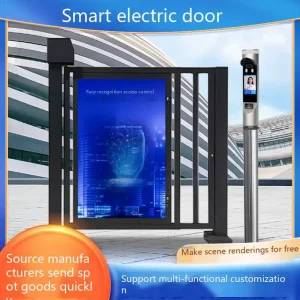
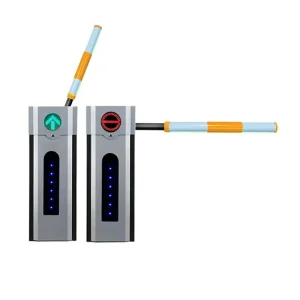
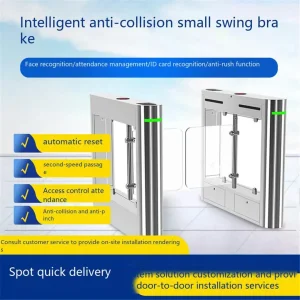
Explore our full ecosystem of high-durability barrier gates, pedestrian speed gates, and smart parking locks.