Enterprise Hardware Matrix: Direct Factory Gateways & Readers
Pre-configured, benchmarked access infrastructure integrating millisecond optical recognition, brushless DC actuation, and bi-directional safety telemetry ready for deployment.
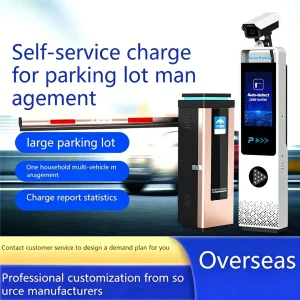
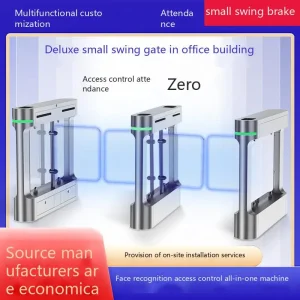
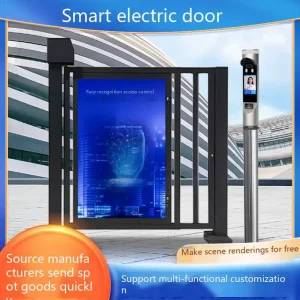
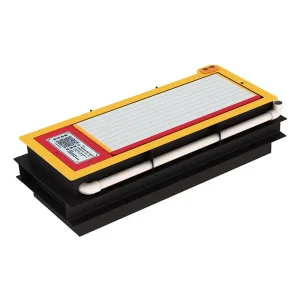
Redefining Capital Efficiency in Automated Parking Management (APMS)
Historically, commercial parking operators were caught between prohibitive Western tier-one legacy licensing fees and unreliable low-grade hardware. Our Shenzhen factory bridges this disparity through industrialized manufacturing and open edge computing.
Eliminating Software Licensing Exploitation
Traditional legacy suppliers charge per-bay monthly recurring licenses and thousands of dollars for proprietary API hookups. Our ecosystem provides license-free on-premise edge computing runtimes and perpetual firmware, significantly reducing operational expenditure (OpEx).
- Zero monthly recurring subscription fees for core LPR logic
- Direct MQTT, HTTP REST, and Webhook data delivery to client backends
- Embedded Linux kernels with native containerized integration capabilities
Brushless DC Motor & Planetary Drive Reliability
By shifting from failure-prone AC torque motors and belt-driven gearboxes to brushless DC (BLDC) motors matched with planetary gear systems, our barrier gates resist high mechanical fatigue and thermal throttling.
- Continuous 100% duty cycle rating under harsh ambient temperatures
- Digital anti-smash rebound logic coupled with optical pressure encoders
- Low heat generation preserving coil integrity for 5,000,000+ operations
Modular Sub-System Swapping & Spares
Maintenance overhead directly impacts car park profit margins. Our industrial chassis feature modular DIN-rail mounts, standardized terminal blocks, and quick-disconnect plugs that enable field technicians to swap core boards in minutes.
- Standardized 24V DC auxiliary power supplies across all nodes
- Universal field-replaceable motherboards with dip-switch profiling
- Substantially reduced spare parts inventory requirements for integrators
Scalable APMS Deployments Across Global Infrastructure Vertical Markets
From mixed-use urban complexes requiring dynamic parking yields to multi-modal logistics ports and residential estates, our automated parking hardware satisfies varied throughput and audit criteria.
High-Density Retail & Commercial Hubs
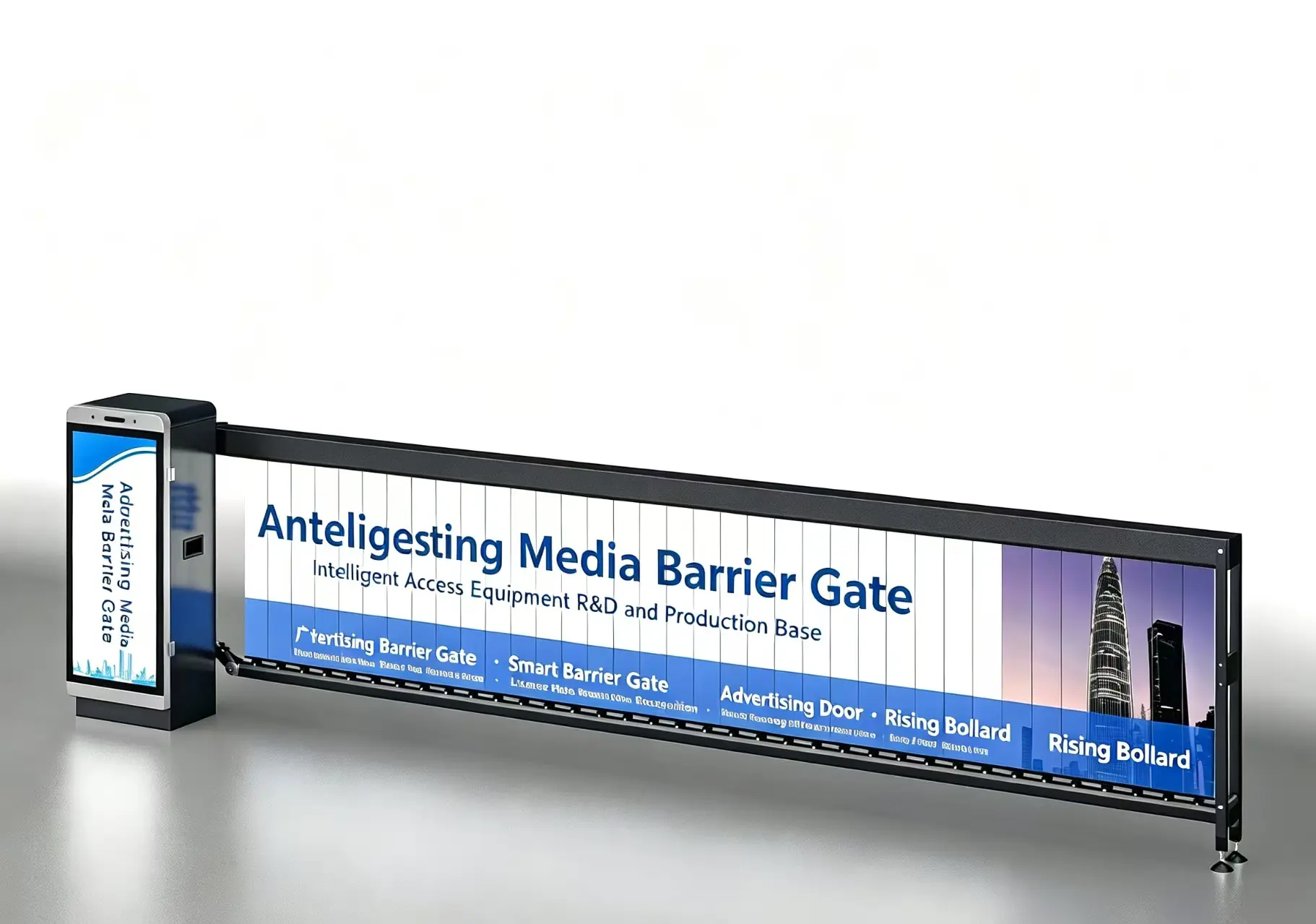
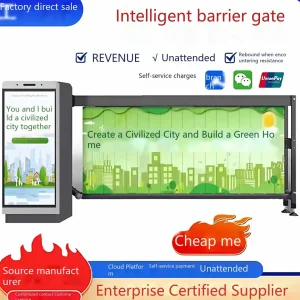
Manages heavy weekend rush traffic via free-flow LPR lanes paired with AR-GGD04 Louver Advertising Barrier Gates to monetize waiting queues and inform drivers of bay occupancies.
- App-less QR code scan-to-pay kiosks supporting local merchant validation
- Frictionless barrier-free validation lanes for VIP registered patrons
Municipal On-Street & Curb Optimization
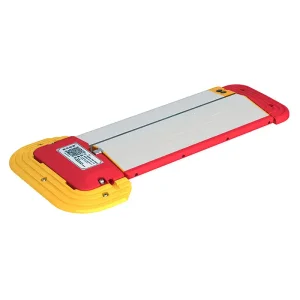
Controls curb turnover using battery-supported automatic sensor parking locks that deploy upon vehicle departure and retract upon authorized pre-payment confirmation.
- NB-IoT and 4G remote telemetry linking to central city traffic dashboards
- Solar-trickle charging battery banks resisting outdoor weather exposure
Smart Airports & Intermodal Hubs
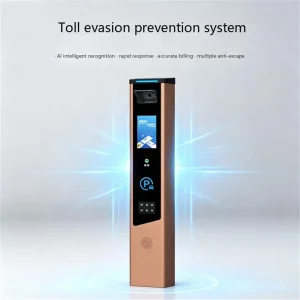
Combines ticket dispenser redundancies with LPR fail-safes. Mitigates ticket-swapping fraud and calculates progressive, variable-rate tariffs across high-churn short-term lots.
- Dual-camera synthetic reconstruction resolving tight vehicle tailgating
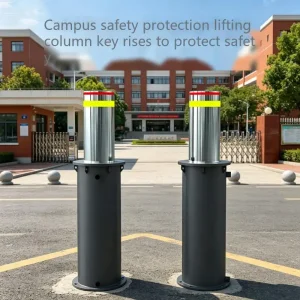
- Industrial hydraulic bollard interlocks for perimeter threat mitigation
Industrial Parks & Logistics Depots
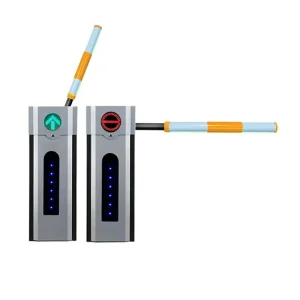
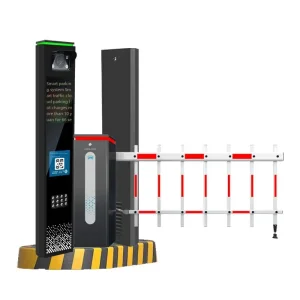
Handles commercial freight fleets using long-range UHF RFID tag readers integrated with DC articulated boom barriers for wide berths and heavy-axle vehicle transit.
- Container code and vehicle plate dual-recognition cross-matching
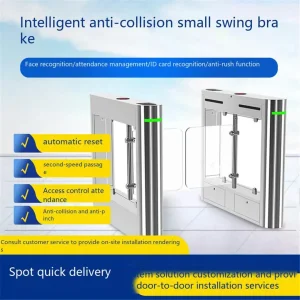
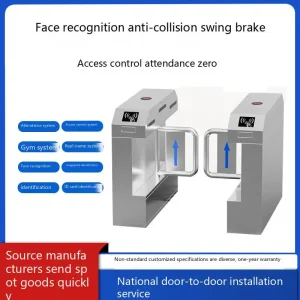
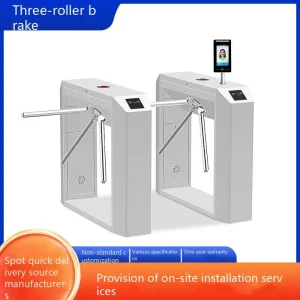
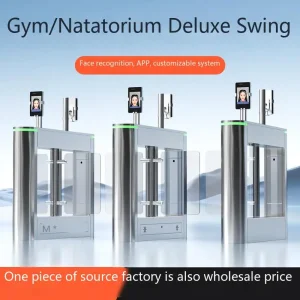
- Turnstile gate synchronization for segregated driver identity verification
Factory 4.0: Shenzhen Supply Chain Clustering & Cost Precision
Our direct-from-Shenzhen supply model is underpinned by localized electronic supply chains, automated sheet-metal fabrication, and multi-stage testing facilities.
Laser CNC Cutting & Electrostatic Powder Coating
Every barrier enclosure and turnstile chassis is stamped from cold-rolled steel (minimum 1.5mm to 2.0mm thickness) or SUS304/SUS316 austenitic stainless steel on high-precision laser cutters.
- Automated degreasing, phosphating, and UV-resistant outdoor electrostatic coating
- IP54 to IP65 rated weatherproofing resilient against maritime salt mist and desert UV
- Hermetically sealed electronics compartments isolated from ambient humidity
SMT Line Precision & Optical Solder Inspection
Motherboards, motor controllers, and sensor arrays are populated on high-speed surface-mount technology (SMT) assembly lines with automated optical inspection (AOI) to eliminate cold joints.
- Conformal coating applied across all PCBs to prevent moisture bridging
- Industrial-grade microcontrollers rated for -30°C to +75°C operational thermal limits
- In-house burn-in thermal chambers stress-testing every logic board prior to assembly
Continuous Burn-In Testing & QC Verification
Every finished barrier gate and rising bollard undergoes a continuous 72-hour power cycling and mechanical torque stress burn-in routine prior to final export crating.
- Comprehensive loop-trigger response and emergency-release mechanical tests
- Multi-country plate emulation testing on high-speed neural networks
- Reinforced seaworthy fumigated wooden crates tailored for long-haul shipping
The Future of APMS: Edge-AI, EV Ecosystems & Autonomous Valet
Explore how our R&D pipeline is evolving to turn automated parking hubs into energy-distributing, vehicle-orchestrating mobility platforms.
Transformer-Based OCR & Multi-Modal CV
Transitioning from traditional CNN feature extraction to compact vision transformers (ViT) on edge micro-NPUs. This architecture reliably recognizes damaged, low-contrast, or non-standard plates in extreme blizzards, monsoons, and direct sun glare.
- Real-time vehicle make, model, color (MMR) and damage identification
- Synthetic vehicle tracking eliminating lost tickets and tailgating bypass
Unified Smart EV Charging (OCPP 2.0.1)
Merging barrier entry authentication with automated EV parking bay locks and dynamic charging management. The system prevents internal combustion vehicles from ICE-ing charging stalls and consolidates parking tariffs and kilowatt-hour billing into a single transaction.
- Dynamic power allocation preventing municipal electrical substation overloads
- Automated overstay idle fee calculations applied via exit gate triggers
V2X Infrastructure & Autonomous Valet Parking
Equipping entry nodes with ultra-wideband (UWB) beacons and LiDAR-guided lane orchestration to interface with Level 4 autonomous vehicle valet systems, directing driverless cars directly to assigned spots.
- Real-time lane reservation and anti-collision barrier synchronizations
- Zero-human-intervention commercial garage turnaround workflows
Regulatory Compliance, Privacy Protocols & Regional Integration
Deploying automated parking across 80+ countries requires strict alignment with local electrical regulations, personal data privacy laws, and regional payment infrastructures.
International Safety & Radio Certifications
Our complete device inventory adheres to international compliance norms, ensuring low-friction customs clearance and building code approvals across the EU, North America, Oceania, and the GCC.
- CE (Low Voltage Directive 2014/35/EU & EMC 2014/30/EU) Certified
- FCC Part 15 Subpart B compliant for zero radio-frequency interference
- RoHS compliant materials free of hazardous heavy metals and lead
GDPR & Data Privacy at the Edge
Comply with strict consumer privacy statutes (such as EU GDPR and California CCPA) by running all optical recognition locally without transmitting raw PII or face imagery over public cloud pipes.
- Automated plate hash obfuscation and configurable raw snapshot auto-purge
- HTTPS / TLS 1.3 encrypted data conduits preventing man-in-the-middle sniffing
- Role-based access controls (RBAC) with immutable operator audit ledgers
Regional Payment Gateway Ingestion
Our unattended kiosks and web portals natively bridge to localized merchant processors, eliminating expensive middleman transaction aggregators.
- Direct integration with Stripe, Adyen, PayPal, and regional bank APIs
- EMV Level 1 & Level 2 contactless NFC card reader peripheral ports
- Dynamic QR generation for Apple Pay, Google Wallet, Pix, and M-Pesa
Enterprise Procurement Criteria: CapEx vs. OpEx Analysis
A breakdown of five-year lifecycle costs comparing generic commercial solutions with our direct-from-Shenzhen APMS platform.
| Evaluation Parameter | Legacy Tier-1 Western Vendors | Low-Cost Assembly Trading Houses | Direct Shenzhen OEM/ODM Factory (Our Model) |
|---|---|---|---|
| Initial Hardware CapEx | Prohibitive ($8,000 - $14,000 per entry/exit lane) | Low ($1,200 - $2,200 per lane), but low-grade components | Optimized Budget Friendly ($2,500 - $4,200 complete lane) |
| Software License Structure | Annual recurring per-space or per-lane subscription fees | Cracked/unsupported basic freeware with security bugs | Perpetual Ownership: Free edge firmware, open REST API |
| Motor & Actuator Architecture | Proprietary torque AC motors with pricey replacement kits | Generic low-torque brushes failing under sustained queues | Industrial 24V/140W Brushless DC + planetary transmission |
| Recognition Edge Hardware | External server PC required for neural net inference | Basic webcams passing video to central unstable PC | Integrated Edge NPU camera running localized deep learning |
| 5-Year Spares & Maintenance | Mandatory OEM service contracts ($1,500+/lane/year) | Frequent motor burnt-outs and high component churn | Standardized DIN-Rail off-the-shelf spares; sub-$150/year avg |
| Estimated 5-Year Lane TCO | $22,000 – $35,000 per lane | $9,000 – $14,000 (elevated downtime losses) | $4,000 – $6,200 per complete operating lane |
Frequently Asked Questions: Global Integrators & Procurement
Direct engineering insights into protocol capabilities, environmental tolerances, warranty terms, and volume trade logistics.
How does your LPR camera perform in non-standard jurisdictions?
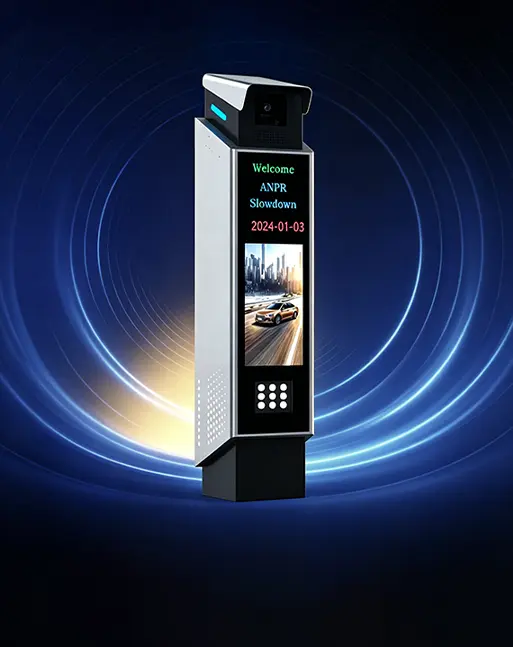
Our edge-inference cameras utilize convolutional neural networks trained on over 80 national license plate topologies, including Latin, Arabic, Cyrillic, Thai, and dual-line square motorbike formats. Optical zoom (2.8-12mm / 6-22mm motorized varifocal) paired with adaptive IR and white-light supplementary LEDs delivers capture rates above 99.5% even across unlit access roads.
Can your barrier gates and turnstiles integrate with 3rd-party software?
Yes. We provide complete hardware-agnostic connectivity. Our controllers expose optocoupled dry-contact I/O, Wiegand 26/34/66 bit interfaces, RS-485 Modbus, and native TCP/IP ethernet ports with full JSON REST API documentation and MQTT telemetry hooks for immediate handshakes with your proprietary cloud platform.
What happens in the event of an on-site power failure?
Every automated barrier gate incorporates a manual hand-crank release clutch or mechanical key release allowing operators to raise the boom arm within 5 seconds. Additionally, we provide optional 24V DC battery backup modules capable of executing 100+ continuous cycles or automatically triggering an emergency lift upon main power grid loss.
How do you support overseas warranty replacements and technical support?
All core hardware is backed by our standard 24-month factory warranty. In the rare event of a component failure, we air-freight hot-swappable replacement boards via DHL/FedEx within 48 hours. Our Shenzhen engineering hub operates a 24/7 dedicated remote video and team-viewer technical escalation desk for setup guidance and firmware debugging.
What is the lead time for OEM branding, custom housing, and volume orders?
Standard model shipments ship within 5 to 7 working days. For custom OEM requirements (custom powder-coat RAL matching, laser-cut client logos, screen-printed advertising chassis, and bespoke PCB firmware splash screens), typical production cycles require 15 to 20 days, supported by complete multi-angle photo and video QC inspection sign-offs before dispatch.
Can you provide complete turnkey pre-commissioned lane packages?
Yes. We regularly supply pre-wired, pre-configured skid or island setups. The LPR camera, DC barrier gate, vehicle loop detector, intercom station, and LED display are matched, bench-tested, and labeled at our Shenzhen plant. On-site field technicians simply anchor the baseplates, supply local AC power, and connect a single network cable.
Integrated Access Gateways, Articulated Boom Barriers & Parking Locks
Explore our additional line of specialized parking space blockers, bridge-type swing gates, and heavy-duty articulation barrier mechanisms ready for project shipping.