
High-Performance Hardware Portfolios Ready for Global Export
Engineered to industrial-grade standards, these integrated entry/exit management components and access turnstiles power mission-critical urban and commercial parking facilities worldwide.
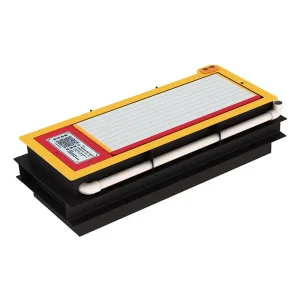
Easy-maintainable City Parking Product Factories, Price
Request Technical Spec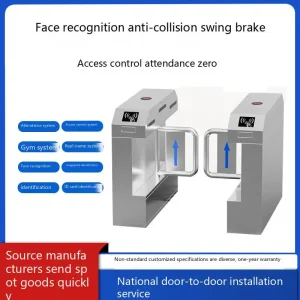
China Bridge Type Sloped Swing Gate Supplier, In Sales
View Factory Pricing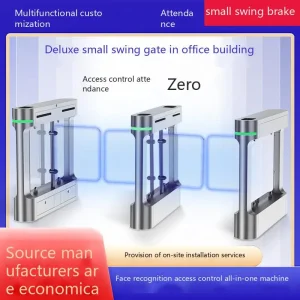
Buy Discount Swing Gate Image Reference Suppliers, In Sales
Order Sample / Quotation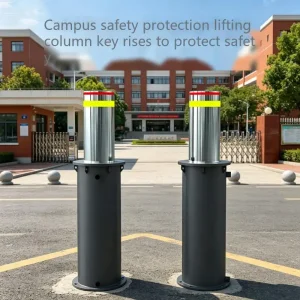
High-Quality Rising Bollard Instruction Manual In Sales, Price
Download Manual & CAD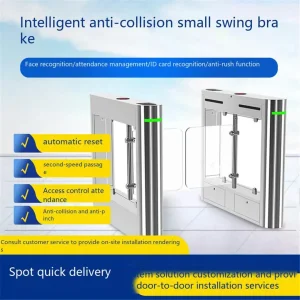
OEM Swing Gate Suppliers, Pricelist
Access OEM Pricelist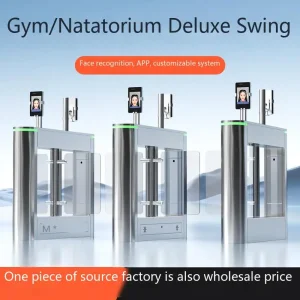
Buy Discount Office Building Entrance Security Speed Gate
View Turnstile Options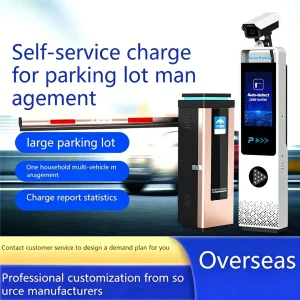
Buy Discount High-def LPR Machine Dolphin I Model
LPR Camera Datasheet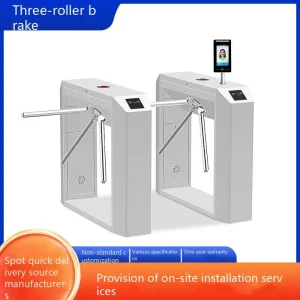
Advanced Factory OEM/ODM Durable Smart Speed Swing Turnstile
Bulk Supply InquiryThe Global Evolution of Parking Space Management Systems (SPMS)
From isolated mechanical boom gates to fully autonomous, Edge-AI vision corridors: evaluating the multi-billion-dollar paradigm shift in global facility management, vehicle telematics, and urban real-estate yield optimization.
From Standalone Silos to Unified AIoT Platforms
Traditional car parks relied heavily on magnetic stripe tickets, manual fee collectors, and pneumatic vehicle sensors susceptible to moisture breakdown and ticket skimming. Modern enterprise operations demand ticketless, sub-second entry/exit throughput driven by Neural Processing Units (NPUs) directly embedded within the optical sensor housing, feeding real-time telemetry back to central cloud command hubs via MQTT and HTTPS.
Asset Monetization & RevPAR Escalation
Commercial real estate operators recognize that the parking apron is no longer a cost sink but a dynamic revenue generator. High-precision bay monitoring systems allow dynamic yield pricing, reserved executive parking tiers, curbside EV charging slot enforcement, and programmatic digital-out-of-home (DOOH) advertising integration integrated directly into barrier housings.
Regulatory Ingress & Environmental Resilience
Municipal zoning regulations across EMEA, APAC, and the Americas enforce stringent anti-idling and carbon reduction benchmarks. Modern SPMS architectures reduce entrance dwell times from 14.2 seconds (manual/ticket dispensing) to under 1.8 seconds (deep-learning LPR corridors), directly eliminating vehicle idling carbon emissions while maintaining strict ingress security protocols.
Shenzhen's Precision Ecosystem: How China Factory Hubs Dominate Modern SPMS Production
Shenzhen, Guangdong serves as the epicenter for 70%+ of the planet's advanced access control and parking telematics hardware. Shenzhen Anrui Intelligent Equipment leverages an end-to-end industrial cluster within Guangming District, delivering unprecedented speed-to-market, robotic assembly tolerance, and cost efficiencies that European and North American domestic fabrication facilities cannot match.
- Hyper-Localized Component Density: Microcontrollers, optical sensors, brushless DC planetary gears, and cold-rolled laser-cut alloy chassis sourced within a 15-kilometer radius.
- Exhaustive Environmental Qualification: In-house environmental chambers subjecting components to -40°C to +85°C thermal cycling, salt-fog corrosion, and 10,000,000 continuous stress cycles.
- Rapid OEM/ODM Customization: Prototype-to-pilot turnaround in under 14 business days for custom mechanical enclosures, bespoke SDK APIs, and multi-voltage global compliance.
Comparative Engineering Lead Times
*Data compiled from Shenzhen Intelligent Manufacturing Consortium survey comparing end-to-end tooling, CNC extrusion, PCB pick-and-place, and final burn-in cycles.
Localized Engineering Applications Across Global Vertical Markets
Deployment contexts fundamentally dictate hardware specifications. Explore how modern SPMS integrates across complex multi-lane transport terminals, corporate towers, and heavy-duty logistics hubs.
Tier-1 Aviation Hubs & Intermodal Rail
Requires redundant failover networks, dual-loop radar triggers, and ultra-high-speed DC brushless articulated arms capable of withstanding constant wake turbulence and operating 24/7/365 without motor overheating. Sub-second integration with automated airline passenger databases and valet pre-booking engines ensures uninterrupted traffic flow during peak holiday spikes.
High-Density Commercial & Mixed-Use Plazas
Combines entry vehicle ANPR cameras with pedestrian speed-gate turnstiles inside lobby atriums. Louver-style advertising barriers turn physical perimeter gates into active ad-space monetization assets. Simultaneously, dynamic ceiling-mounted RGB ultrasonic bay sensors direct motorists to empty levels, dropping garage search circulation times by up to 64%.
Heavy Industrial Logistics & Free Trade Zones
Demands ruggedized cold-rolled steel barrier housings (IP66 ingress protection) with long-range 900MHz passive RFID transceivers for heavy prime movers and tandem container chassis. Integration with weighbridge SCADA systems ensures automated tare-weight validation prior to barrier arm release, preventing freight yard bottlenecks and unauthorized departures.
Engineering Specification Matrix: Legacy Mechanical vs. Modern Edge-AI SPMS
A rigorous comparative analysis of key architectural criteria vital for commercial contractors, master systems integrators (MSIs), and municipal infrastructure consultants.
| Evaluation Parameter | Legacy Mechanical Systems (Pre-2018) | Anrui Edge-AI Cloud Platform (2026+) | Operational Impact & Benefit |
|---|---|---|---|
| Drive Train & Motor Tech | Single-phase AC induction with torque springs | Brushless DC (BLDC) with planetary precision gear | 60% Power Reduction · 10M+ cycle MCBF lifespan |
| Vehicle Detection Sensor | Pneumatic road hoses or cut-in inductive loops | 79GHz Millimeter-Wave Anti-Smash Radar + AI Vision | Zero pavement trenching; unaffected by rain, mud, or snow |
| Access Authentication | Barcode slips, magnetic RFID swipe badges | Embedded Deep-Learning ANPR / Neural OCR | Sub-0.2s identification; zero consumables overhead |
| Fail-Safe Behavior | Manual hand-crank release only | Auto-arm lift upon DC power loss + supercapacitor back-up | Mandatory NFPA / EN 12453 life safety compliance |
| Network Interface | Proprietary RS-485 legacy fieldbus | Native TCP/IP, MQTT, RESTful JSON APIs, 4G/5G NB-IoT | Seamless BMS, SAP, and municipal cloud integration |
| Bay Space Detection | Basic wired ultrasonic pingers | Multi-spectrum HD wide-angle AI bay cameras (3 bays/cam) | Simultaneous vehicle search, security CCTV & plate logging |
Emerging Technology Vectors Reshaping Global Parking Infrastructure
Strategic technology insights into autonomous vehicle interaction, EV charging spot orchestration, and edge microservices that are revolutionizing facility operations.
Automated EV Bay Locking
Preventing non-electric vehicle squatting in high-capacity DC fast-charging bays through ultrasonic sensor locks tied directly to dynamic smartphone unlocking and automated penalty billing mechanisms.
V2I Telematics Handshakes
Vehicle-to-Infrastructure (V2I) micro-protocols allowing autonomous self-parking vehicles to directly negotiate entrance credentials, bay allocation, and automated exit payments via secure DSRC / C-V2X direct radio links.
Dynamic Curbside Pricing
Municipal-grade edge gateways compute street occupancy rates every 60 seconds, dynamically tuning parking rates in congested downtown cores to guarantee a target 15% open bay vacancy rate.
Zero-Trust Edge Enclaves
High-security military and financial parking zones incorporate encrypted TPM (Trusted Platform Module) chips directly on LPR cameras to safeguard plate recognition logs against spoofing or man-in-the-middle exploits.
Global Enterprise Procurement Guide: Sourcing SPMS from Factory Lines
Essential due-diligence criteria for international procurement directors, general contractors, and hardware importers looking to eliminate post-shipment engineering friction.
1. Motor Duty & Ingress Integrity
Always verify the motor duty cycle ratings on supplier RFPs. Demand IP65 ratings for outdoor barrier cabinets and IP68 for subterranean rising bollard motors. Ensure the housing uses minimum 2.0mm cold-rolled carbon steel or marine-grade 304/316 stainless steel with electrophoretic primer and electrostatic fluorocarbon powder coating to prevent coastal salt-air rust.
2. Software Decoupling & Open APIs
Avoid vendor lock-in traps. Verify that the hardware architecture exposes raw RTSP video streams, ONVIF Profile S/G/T compliance, and bi-directional RESTful or MQTT endpoints. This permits your engineering team to route vehicle metadata into any proprietary third-party ERP, billing gateway, or municipal smart-city platform without forced recurring software licenses.
3. Climatic & Power Conditioning
Industrial car park barriers frequently encounter voltage sags and surges from adjacent machinery. Ensure internal DC power supplies are rated for universal wide-input (90V-264V AC, 47-63Hz) with built-in 6kV lightning surge suppressors and internal thermostatically regulated heating resistors for sub-zero installations.
Specialized Lane Barriers, LPR Systems & Space Protection Units
Complementary factory solutions designed for high-impact commercial branding, long-range freight tolls, and community bay protection.
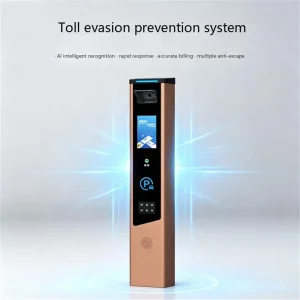
Cheap HD License Plate Recognition Integrated - AnRuitong II
Request Factory Quote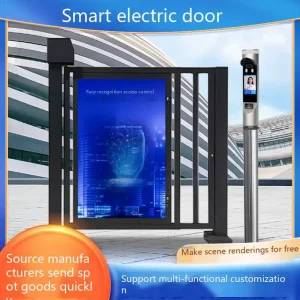
Buy Discount Intelligent Pedestrian Advertising Gate
Examine Ad Gate Spec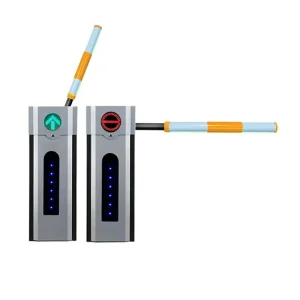
Easy-maintainable Intelligent Barrier Gate Model D11S
Get Instant Quotation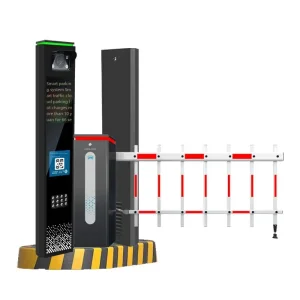
Automatic Articulated DC Boom Barrier Gate with RFID
View Articulated Boom Specs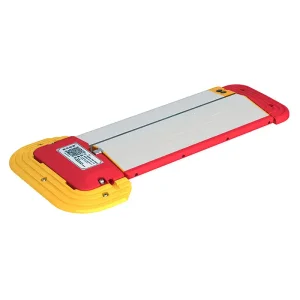
Scan-to-Pay Anti-Occupying Shared EV Parking Lock
Download Lock Catalog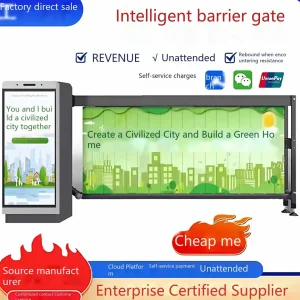
Buy Discount Intelligent Barrier Gate Model D03
Examine D03 SeriesFrequently Addressed Engineering & Sourcing Questions
Direct technical answers regarding hardware reliability, communication protocols, cross-border deployment support, and system integration.
How does Anrui guarantee LPR camera recognition across diverse international license plate formats?
What happens during sudden mains power outages or critical emergency alarms?
Can Anrui hardware communicate directly with our proprietary cloud billing backend?
What are the lead times and shipping packaging provisions for long-haul maritime container freight?
How does the 79GHz radar sensor compare to traditional inductive ground cutting loops?
Architect Your Next High-Throughput Access Facility With Anrui
Engage directly with our Shenzhen engineering specialists to configure lane layouts, request custom SDK integrations, evaluate hardware sample units, or receive volume-tiered factory price schedules.