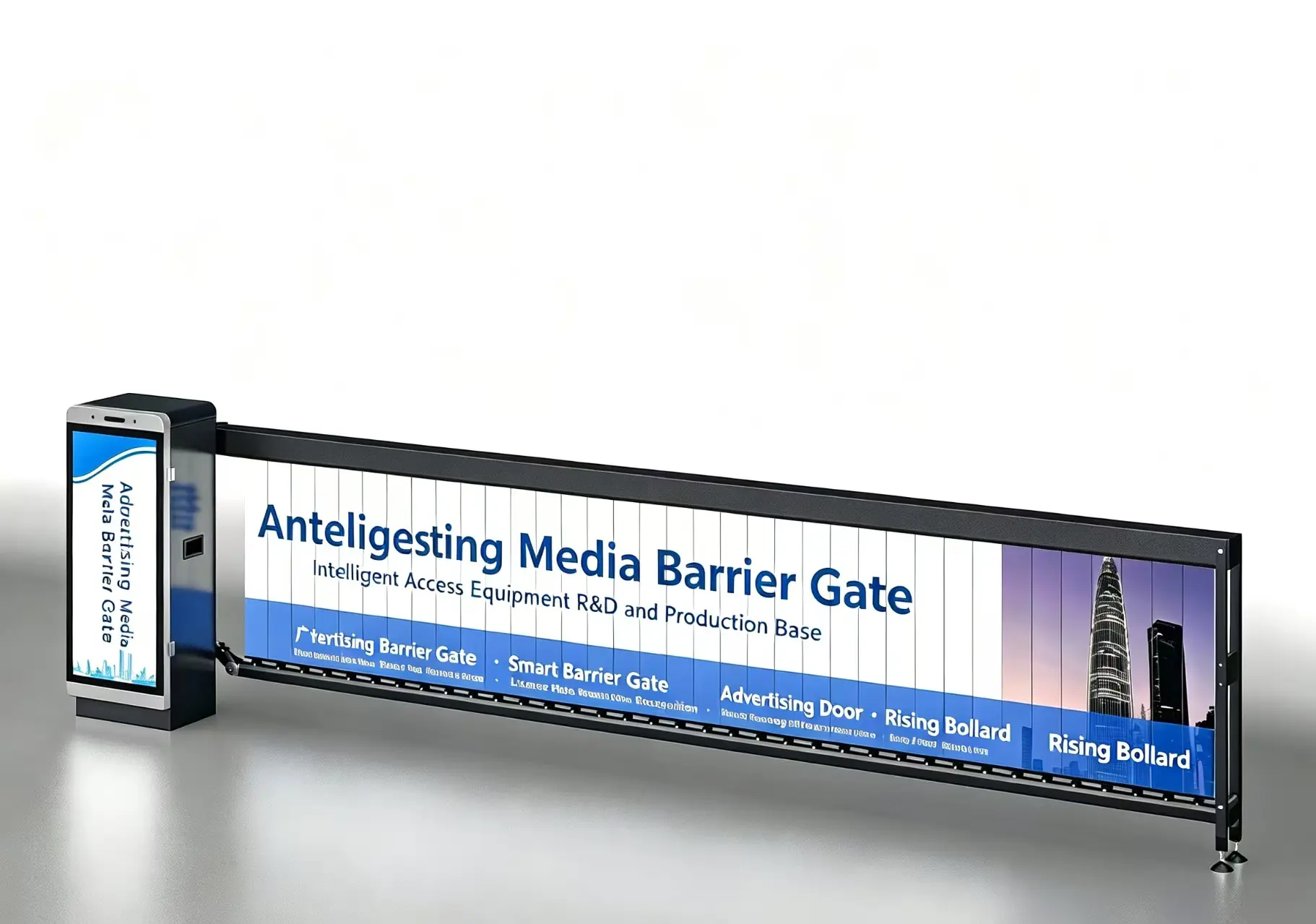
Featured Commercial & Industrial Systems
Hardware packages precision-engineered to pair with high-clearance frameless sliding facades and perimeter automated barriers.
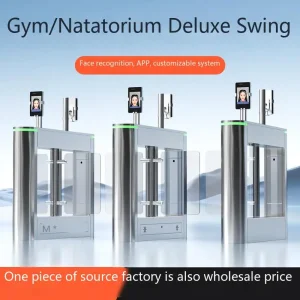
Attendance Security Speed Turnstile
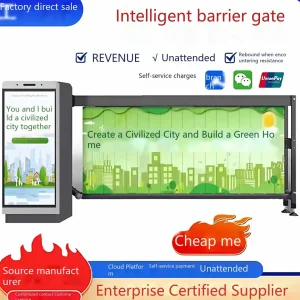
Intelligent Barrier Gate D03
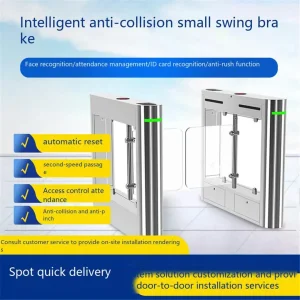
Heavy Duty OEM Swing Gate
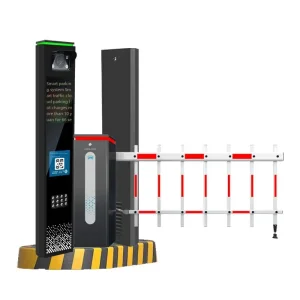
Articulated DC Boom Barrier
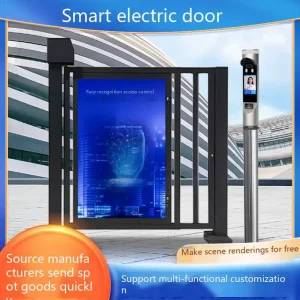
Pedestrian Advertising Gate
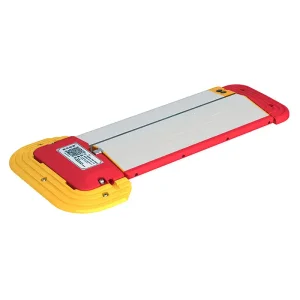
Scan-to-Pay Smart Space Lock
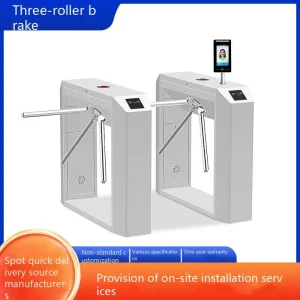
High Speed Gym/Facility Turnstile
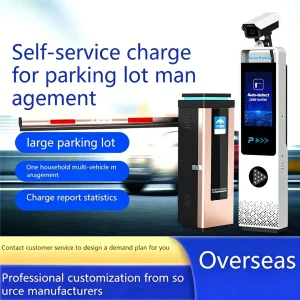
High-Def Dolphin I LPR Machine
Engineering Frameless Sliding Doors for High-Cycle Architectural Facades
Modern commercial architecture has decisively shifted from bulky framed thresholds to structurally sound, monolithic frameless glass portals. Achieving reliability at scale requires precision-calibrated direct-drive magnetic levitation and acoustic isolation engineering.
Linear Maglev & DC Brushless Drives
Traditional belt-driven actuators incur frictional fatigue and continuous maintenance costs. Our advanced automated frameless sliding portals employ high-torque, brushless DC servomotors and optional direct linear magnetic propulsion. The system achieves near-silent acoustic performance (<38 dB) and withstands continuous heavy loads of up to 450 kg per leaf over 3.5 million operating cycles without structural degradation.
Structural Glazing & Deflection Tolerances
Utilizing thermally toughened, laminated monolithic glass panels ranging from 12 mm to 19 mm with structural SentryGlas (SGP) interlayers, frameless sliding assemblies resist high wind-load deflections (exceeding ASTM E330 criteria up to 2.4 kPa). Custom-machined 316 stainless steel overhead clamping carriages distribute localized shear stress uniformly, mitigating edge fatigue in thermal transition zones.
IoT Interfacing & Fire Egress Interlocks
Configured natively for BMS (Building Management Systems) via BACnet, Modbus, and dry contact relays, the master logic controller pairs seamlessly with pedestrian turnstiles and perimeter boom barriers. Critical safety failsafes comply with EN 16005 and ANSI/BHMA A156.10, triggering immediate spring-assisted or capacitive mechanical emergency break-out operations during power outages or facility fire alarms.
Corporate & Industrial Turnkey Solutions
Evaluating frameless sliding architecture requirements across distinct global business environments to streamline project specification workflows.
Grade-A Commercial Atriums
Demands total transparency without intrusive sightlines. Integrated optical sensors and floor-recessed micro tracks ensure compliance with universal accessibility codes while harmonizing with smart visitor access turnstiles.
High-End Luxury Hospitality
Combines architectural elegance with superior climate preservation. Dual frameless airlocks fitted with dynamic micro-brush seals dramatically reduce HVAC leakage while sustaining continuous traffic flow.
Data Centers & High Security
Airlock mantrap portals synchronized with biometric verification and anti-tailgating 3D time-of-flight (ToF) overhead sensors, ensuring single-person credentialed passage before inner frameless glass releases.
Industrial Cleanrooms & Labs
Utilizes seamless glass leaves without exterior bevels to prevent aerosolized particulate collection. Hermetically sealed sliding variants sustain differential air pressures up to 50 Pa for ISO 14644 clean containment zones.
Engineering & Site Compatibility Blueprint
Evaluate baseline mechanical, structural, and electrical parameters before procuring automated frameless sliding entrance suites and perimeter systems.
| System Dimension / Parameter | Commercial Grade-A Standard | Heavy-Traffic Infrastructure Spec | High-Security / Industrial Cleanroom |
|---|---|---|---|
| Clear Opening Width (Bi-Parting) | 1,200 mm to 2,400 mm | 2,000 mm to 3,800 mm | 1,000 mm to 1,800 mm (Controlled Interlock) |
| Glazing Substrate & Thickness | 12 mm to 15 mm Tempered Float Glass | 17.52 mm SGP Laminated Monolithic | 13.52 mm PVB Double Laminated / Anti-Spall |
| Maximum Door Weight Capacity | 150 kg per leaf (Single/Biparting) | 350 kg to 500 kg per heavy-duty leaf | 200 kg with hermetic drop-down carriage |
| Operating Cycle Durability | > 1,000,000 continuous test cycles | > 3,500,000 cycles (EN 16005 Class 3) | > 2,000,000 cycles with static seal tests |
| Drive Motor Architecture | 24V DC Brushless with Optical Encoder | 36V Synchronous Heavy-Torque Servomotor | Linear Maglev Frictionless Direct Propulsion |
| Egress Failsafe Protocols | Capacitive Auto-Open Battery Backup | Full Mechanical Break-Out Pivot System | Emergency BMS Controlled Interlock Release |
Shenzhen Industrial Manufacturing Authority
Direct from Shenzhen Anrui Intelligent Equipment Co., Ltd.'s Guangming District facility—serving global distributors and contractors with uncompromising quality control.
Rigorous End-of-Line QA
Every motorized actuator, sliding carriage, and access panel undergoes a 72-hour automated burn-in cycle. Dynamic load balancing and thermal dissipation benchmarks are executed within our Shenzhen testing labs prior to final export boxing.
Verified Field Resilience
Demonstrated performance across divergent global climates—from extreme Arabian Gulf temperatures exceeding +55°C to Central and Eastern European freezing conditions down to -30°C with dedicated anti-condensation thermal options.
Consolidated Project Shipments
Single-source supply reducing supply chain risk. Ship frameless sliding systems, pedestrian speed turnstiles, LPR cameras, and perimeter vehicle bollards simultaneously in custom engineered maritime shipping crates.
Future Projections: AIoT Convergence & Kinetic Facades (2026–2030)
The entrance aperture is transitioning from a passive structural gateway into an active, intelligent cyber-physical node equipped with edge AI and predictive telemetry.
Micro-LiDAR Obstacle Profiling
Replacement of basic infrared light curtains with multi-plane micro-LiDAR scanners that calculate pedestrian velocity vectors, preventing nuisance cycling and reducing energy dissipation by 22%.
Photovoltaic Electrochromic Glazing
Direct integration of transparent photovoltaic glass and dynamic electrochromic shading into monolithic sliding leaves, transforming building entrances into self-powering solar architectural assets.
Edge AI Vision & Gait Analysis
Onboard edge AI compute chips inside the sliding header that perform zero-latency, walk-through facial and gait biometric authentication without requiring stop-and-scan physical credentials.
Cloud Fleet Telemetry
Continuous transmission of motor duty cycles, bearing vibrations, and seal friction indexes to cloud monitoring centers for predictive replacement prior to mechanical failure.
International Compliance & Installation Support
Deploy across regional jurisdictions with absolute confidence in code adherence, life safety mandates, and localized engineering support.
Universal Safety Standardization
Automated operators are engineered to satisfy CE directives, EN 16005 pedestrian safety, ANSI/BHMA A156.10, UL 325, and ISO 13849-1 Performance Level "d" for emergency entrapment avoidance.
Comprehensive Export Crating
Monolithic structural glass panels and heavy aluminum headers are individually isolated with anti-vibration shock absorbers in heat-treated ISPM-15 compliant timber cases engineered for multi-modal freight.
Dedicated Field Engineering Desk
Receive direct 7x24 remote engineering support from Shenzhen for schematic reviews, wiring diagrams, torque specifications, and BMS interfacing calibrations across all global time zones.
Frequently Asked Technical & Procurement Questions
Direct answers to critical structural, operational, and supply questions raised by general contractors, specifiers, and distributors.
The overhead carriage track is designed to clamp monolithic tempered float glass (10 mm to 15 mm) or multi-layer laminated architectural safety glass (11.52 mm to 17.52 mm) utilizing SentryGlas (SGP) or PVB acoustic interlayers without requiring perimeter metal framing profiles.
The system utilizes two compliant modalities: an active capacitive battery-powered auto-reverse drive linked to the primary fire suppression loop, and an optional mechanical breakaway system allowing users to swing the frameless glass outward 90 degrees under physical pressure according to EN 16005 and NFPA 101.
Yes. Using standard RS485, Wiegand, or dry contact digital logic, our controllers can establish sequenced interlocking loops. For example, outer sliding doors open on radar detection, but inner speed turnstiles or airlocks remain locked until card, QR, or biometric facial verification occurs.
Standard production cycles range between 12 and 18 working days depending on dimensional customization and drive torque configurations. All items are packed in reinforced, moisture-barrier treated wooden crates with corner corner-impact buffers to withstand sea freight and customs transit.
Supplemental Hardware & Security Infrastructure
Browse our full spectrum of automated access control hardware engineered for municipal, commercial, and high-security facility perimeters.
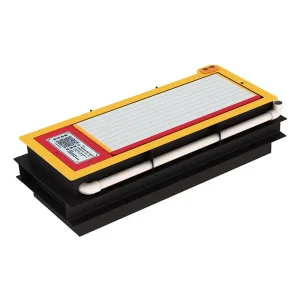
Easy Maintainable City Parking System
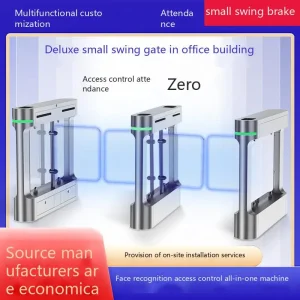
Discount Swing Gate Series
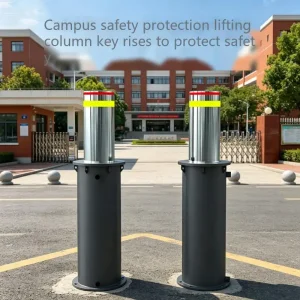
Hydraulic Rising Security Bollard
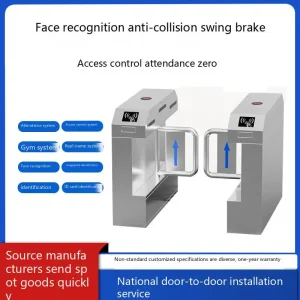
Bridge Type Sloped Swing Gate
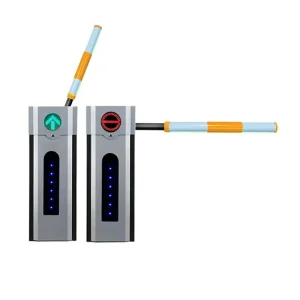
Maintainable Barrier Gate D11S
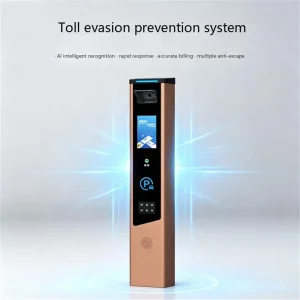
AnRuitong II Integrated LPR
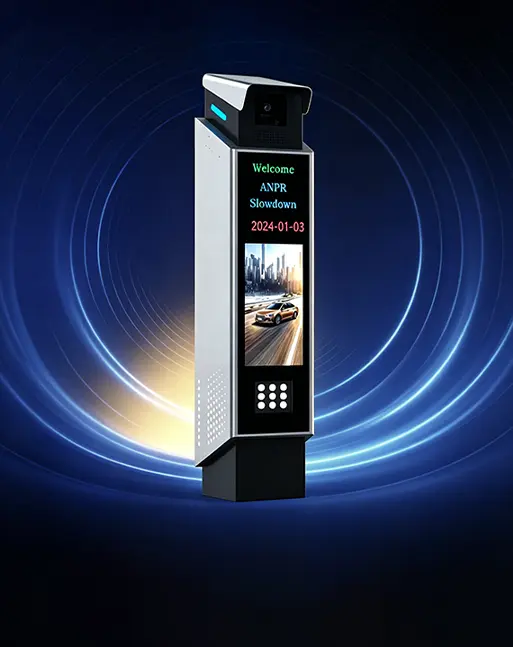
Core Plate Recognition System