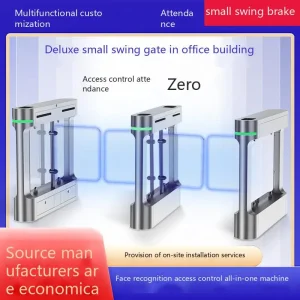
Featured Industrial Assemblies • Series 01
Engineered Access Assemblies & Perimeter Control Matrix
Direct factory-calibrated hardware integrations engineered for modern high-performance structural envelopes, heavy vehicular flow lanes, and industrial perimeter installations.
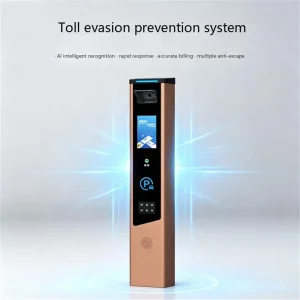
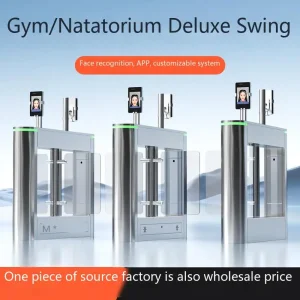
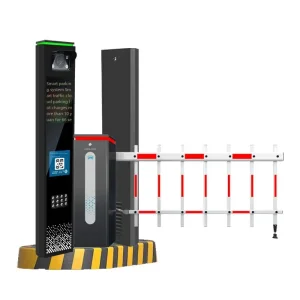

Technical Roadmap & Physics-Driven Design
Kinematic Precision, Thermal Break Mechanics & Envelope Integration
Modern exterior sliding door systems demand strict micro-engineering: bridging dynamic mechanical loads, severe atmospheric exposure, zero-deflection thresholds, and autonomous building management integration.
In high-performance commercial and multi-family architectural engineering, an exterior sliding door is not merely a movable partition; it functions as a primary structural envelope component subjected to cyclical wind pressures, thermodynamic differentials, and continuous physical operation. The transition from legacy monolithic extrusions to multi-chambered polyamide thermal breaks (PA66 GF25) has completely recalibrated operational U-values, driving energy transmission below 1.1 W/(m²·K) when paired with inert argon-filled triple-glazing or electrochromic dynamic smart glass units.
Dynamic track mechanics constitute the core reliability vector. Precision sliding assemblies manufactured with heavy-duty structural alloy extrusions (6063-T6 and 6005A-T6) employ tandem stainless steel bogie rollers seated on CNC-milled 316 marine-grade stainless guide rails. This architecture neutralizes lateral shear stresses while maintaining rolling resistances below 0.015 friction coefficients even under panel static weights exceeding 600 kg.
Thermodynamic Barrier Kinetics
Multi-cavity polyamide insulating strips combined with vulcanized EPDM triple-seal gaskets eliminate condensation bridging and achieve extreme thermal performance compliant with ASHRAE 90.1 and European EnEV standards.
Structural Wind Deflection Resilience
Engineered reinforced interlock mullions resist dynamic wind pressures up to 4500 Pa (Class E4500). Validated under ASTM E330 and EN 12210 criteria for high-rise residential towers and typhoon-exposed maritime façades.
Autonomous Electro-Mechanical Locking
Multi-point concealed European perimeter hardware driven by brushless DC servo drives integrates seamlessly with BACnet, Modbus, and dry-contact access controls for real-time SCADA security monitoring.
| Performance Vector | Test Methodology / Standard | Typical Specification Level | High-Performance Industrial Grade |
|---|---|---|---|
| Thermal Transmittance (Uf / Uw) | ISO 10077-2 / NFRC 100 | 2.2 - 2.8 W/(m²·K) | 0.95 - 1.25 W/(m²·K) (Aero-gel & PA66 GF25) |
| Air Permeability / Infiltration | ASTM E283 / EN 12207 | Class 3 (≤ 1.5 m³/(h·m²)) | Class 4 (≤ 0.75 m³/(h·m²)) |
| Water Penetration Resistance | ASTM E331 / EN 12208 | Class 6A (250 Pa) | Class 9A / E1200 (≥ 1200 Pa Dynamic) |
| Operating Durability Cycles | EN 12400 / AAMA 920 | 50,000 Verified Cycles | 250,000+ Cycles Heavy Operational Duty |
| Acoustic Attenuation (Rw / STC) | ISO 140-3 / ASTM E90 | Rw = 32 dB | Rw = 42 - 46 dB (Acoustic Laminates) |
Deployment Topologies
Macro-Industry Architectural & Infrastructure Solutions
Tailored engineering strategies configured to meet exacting acoustic, structural, egress, and sanitization parameters across distinct industrial sectors.
Commercial High-Rise
Ultra-slim interlock sightlines (under 24mm) engineered for excessive facade building drift and wind-shear resistance while preserving panoramic structural daylight ratios.
Logistics & Cold Chain
Rapid high-cycle motorized exterior industrial sliding barriers engineered with heated perimeter guide tracks and pressurized gaskets to prevent frost and vapor leakage.
Transit & Airport Terminals
Heavy-throughput automated egress systems complying with EN 16005 and NFPA 101 fail-safe breakout kinematics, ensuring rapid emergency egress under total electrical blackout.
Hospitality & Luxury Multi-Family
Zero-threshold flush floor track technology (ADA and DIN 18040 compliant) featuring subsurface self-scouring drainage channels for seamless indoor-outdoor transitions.
Industry 4.0 Manufacturing Ecosystem
Shenzhen Advanced Industrial Cluster: Scale, Traceability & Cost Efficiency
How deep vertical integration, automated 5-axis CNC extrusion machining, and end-to-end parametric modeling establish an unassailable global procurement advantage.
Operating from the world's most concentrated precision electromechanical manufacturing nexus in Shenzhen, China, our manufacturing footprint eliminates the fractured subcontracting chains common to European and North American custom door fabricators. From initial thermodynamic CAD/BIM modeling to automated profile extrusion, CNC thermal-break insertion, PVDF fluorocarbon electrostatic spraying, and robotic dual-component silicone sealing, the entire fabrication process occurs within an integrated, ISO 9001 and ISO 14001 certified physical plant.
Direct supply-chain proximity to virgin-grade A00 aluminum billet smelting and high-performance glass tempering giants enables rapid scaling without sacrificing dimensional precision. With automated profile cutting tolerances maintained strictly within ±0.2 mm, complex multi-panel telescoping sliding door arrays are pre-assembled and dynamically factory-tested for roller smoothness, locking torque, and seal compression before crating in export-spec reinforced steel-banded timber crates.
8,000+
m² Specialized Assembly Facility
80+
International Export Destinations
±0.2
mm CNC Profile Tolerance Window
100%
Pre-Shipment Kinematic Cycle Testing
Parametric BIM & CAD Direct-Link
Direct translation from architect Revit models into machine-level G-code. Expedites customized dimensional production without engineering re-interpretation overhead.
Surface Treatment Superiority
Qualicoat Class 2 certified powder coatings and AAMA 2605 compliant 70% Kynar 500 PVDF finishes offering 3,000-hour continuous salt spray resistance for coastal and extreme salinity environments.
Turnkey Lane-System Compatibility
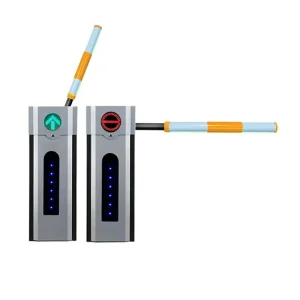
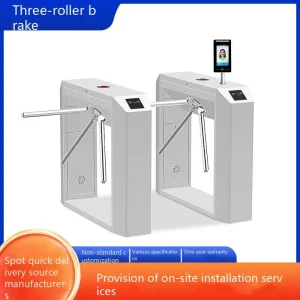
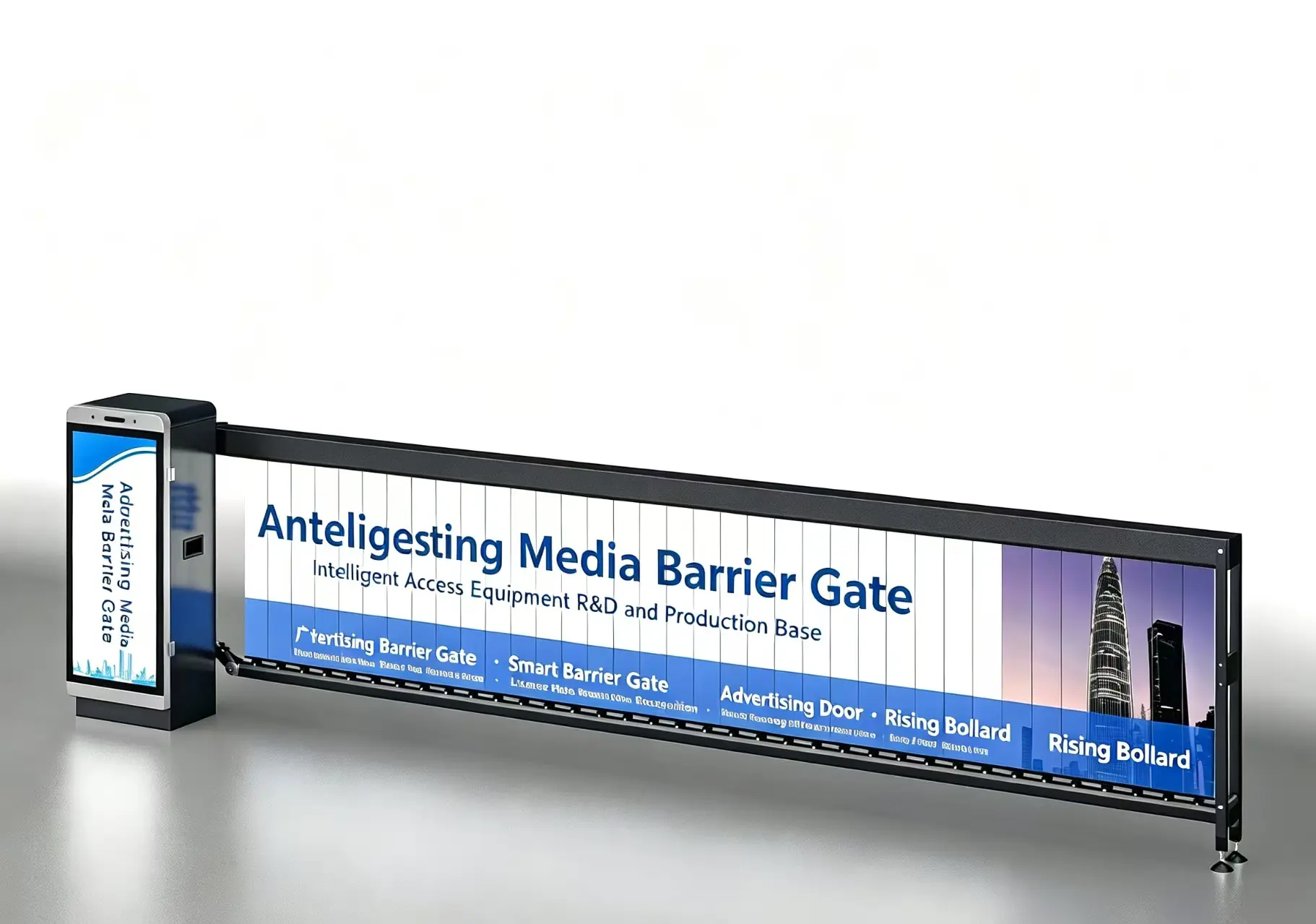
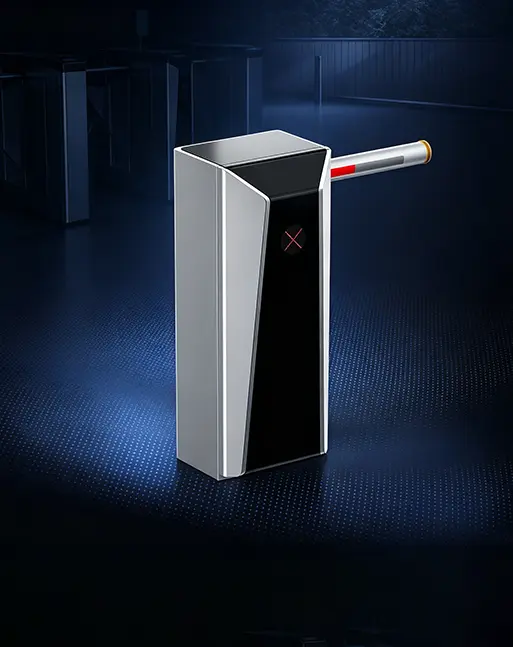
Factory matched control cabinets, edge safety sensors, and integrated software bridges ensure barrier gates, access turnstiles, and sliding entrances operate cohesively upon site arrival.
Compliance Engineering
Global Regulatory Compliance & Structural Safety Verification
Engineering design validations matching the stringent code frameworks of North America, the European Union, the GCC region, and Australasia.
North America (AAMA / WDMA / CSA)
Verified under NAFS (North American Fenestration Standard) 101/I.S.2/A440. CW and AW architectural performance classes; Florida Building Code (FBC) High Velocity Hurricane Zone (HVHZ) impact certification (TAS 201, 202, 203).
European Union (CE Marking & EN Standards)
Harmonized standard EN 14351-1 compliant for external pedestrian doors. EN 16005 compliance for power-operated pedestrian door sets with low-energy drives, presence detection, and redundant anti-entrapment arrays.
Australasia (AS 2047 & NCC Criteria)
Engineered to comply with AS 2047 Windows and External Glazed Doors in Buildings. Tested for ultimate limit state wind pressure (> 3000 Pa) and water resistance under cyclonic AS/NZS 1170.2 standards.
Procurement Economics
Enterprise Quotation Framework & Cost Estimation Breakdown
Transparent, parameter-driven commercial modeling designed for EPC general contractors, commercial developers, and regional distributor networks.
Bidding on exterior sliding door assemblies and integrated vehicular/pedestrian entry control packages requires a rigorous Bill of Materials (BOM) assessment. Rather than evaluating unit cost alone, institutional commercial clients evaluate total installed lifecycle costs (TCO). A comprehensive quotation incorporates raw material indexes (LME aluminum alloy baseline), glass build-up parameters, automation hardware duty-ratings, and ocean freight volume packaging optimization.
| BOM Cost Component | Key Engineering Drivers | Budget Impact Weight | Factory Cost Optimization Strategy |
|---|---|---|---|
| Extruded Aluminum Profiles | Alloy spec (6063-T6 / 6005A-T6), wall thickness (2.0mm - 3.5mm), thermal strip width | 35% - 45% | In-house extrusion direct from verified primary ingots; minimal scrap loss. |
| Glazing Sub-Assembly | Double/triple IGU, low-E coatings, laminated acoustic PVB/SentryGlas interlayers | 25% - 35% | Automated inline insulated glass fabrication with automated robotic secondary sealing. |
| Hardware & Rollers | 316 stainless steel bogies, multi-point lock bodies, flush recessed handles | 12% - 18% | Standardized European groove hardware geometries; volume OEM relationships. |
| Surface Finishing | Anodizing (20μm - 25μm), PVDF 3-coat/2-bake, Qualicoat Class 2 powder | 8% - 12% | Vertical automated conveyor coating line maximizing transfer efficiency and film uniformity. |
| Export Packaging & Freight | Steel-reinforced timber crates, vapor corrosion inhibitors (VCI), moisture desiccant bags | 5% - 8% | Custom crate 3D volumetric containerization maximizing 40HQ payload densities. |
Request a Comprehensive Engineering Project Quotation
Provide site elevation plans, opening dimensions, required U-values, wind load thresholds, and automation requirements. Receive detailed schematic shop drawings and tier-structured factory pricing within 24 business hours.
Technical & Commercial FAQ
Frequently Answered Engineering & Procurement Queries
In-depth clarifications addressing acoustic ratings, water drainage engineering, freight handling, and electrical access system integration.
How do you resolve severe driving rain penetration on oversized sliding panel doors?
We employ a multi-stage pressure-equalized rain screen design. The bottom track incorporates hidden, stepped multi-chamber drainage baffles with unidirectional check valves. This prevents positive external wind pressures from forcing water back into the internal sill, allowing immediate gravitational discharge even under 1200 Pa sustained cyclic storms.
Can heavy automated exterior sliding assemblies be tied into commercial access turnstiles and LPR barriers?
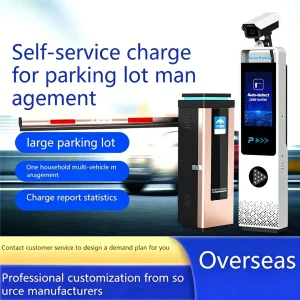
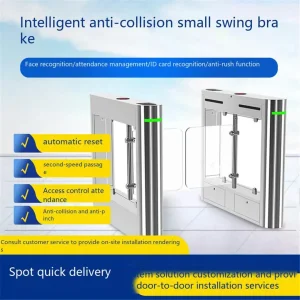
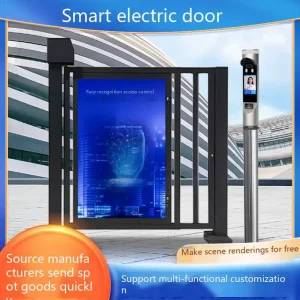
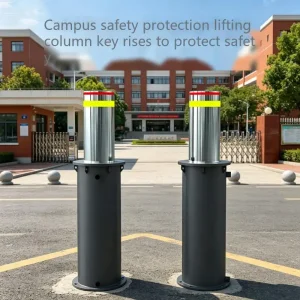
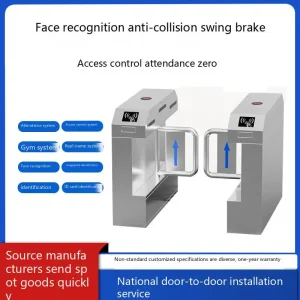
Yes. Our control mainboards utilize standard programmable dry-contact relays, RS485 serial communication, and TCP/IP network modules. This architecture enables unified access control where ANPR cameras, bollards, speed gates, and automated sliding entrance doors trigger synchronously based on central security rules.
What minimum and maximum panel weights can the roller bearing hardware support safely?
Our standard architectural tandem roller sets are rated for 250 kg to 400 kg per panel. For extreme structural glass openings (e.g., 4000mm height x 3000mm width using 12mm+16Ar+12mm tempered units), we deploy heavy-duty quad-roller stainless bogie carriages capable of handling static weights up to 800 kg with an operational push force under 35 N.
What is the standard lead time for customized architectural projects requiring custom extrusions?
For existing extrusion dies with custom PVDF or anodized finishes, standard manufacturing lead time is 25 to 35 calendar days from signed shop drawings. For fully customized extrusion profiles requiring new structural extrusion tooling, allow an additional 10 to 14 days for die creation, initial test samples, and tensile validation.
How do you guarantee dimensional integrity and damage prevention during ocean shipping?
Every panel is individually wrapped in protective PE film, corner-guarded with rigid composite protectors, and packed into custom-built, fully enclosed OSB/plywood crates reinforced with internal steel perimeter straps. High-volume containers are 3D-modeled to prevent dynamic cargo shifting during multi-modal ocean transit.
What after-sales and installation technical assistance do international contractors receive?
We supply full multi-language installation manuals, exploded CAD assembly views, wiring schematics, and high-definition video walkthroughs. For major commercial developments, our engineering team provides direct remote video conferencing support or can deploy bilingual field engineers to oversee on-site calibration.
Featured Industrial Assemblies • Series 02
Integrated Access Control & Exterior Security Portfolio
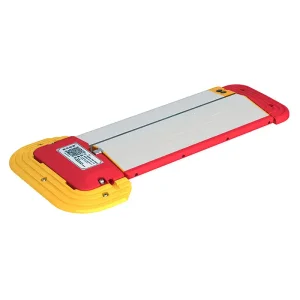
Complete turnstile, automated barrier, and license plate recognition line-up designed to complement commercial exterior sliding assemblies across complex perimeter checkpoints.