
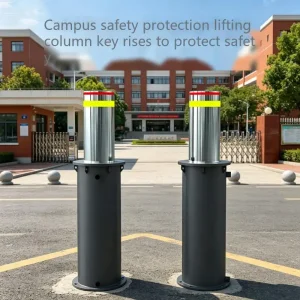
Featured Core Solutions
High-Security Entrance Automation for Mumbai Projects
Factory-engineered anti-ram bollards and synchronized perimeter barriers designed for mission-critical infrastructure in Mumbai.
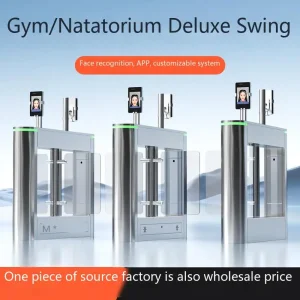
Bandra-Kurla Complex Corporate Speed Gate Turnstiles
Explore Turnstile Series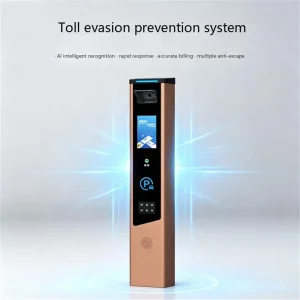
Integrated Smart City LPR System (AnRuitong II Mumbai Edition)
Inquire LPR Integration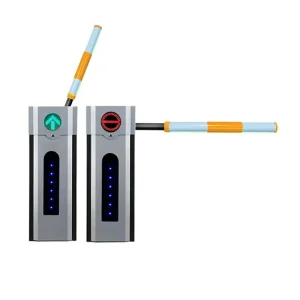
Rapid Cycle Commercial Barrier Gate Model D11S Mumbai Highway
Get Barrier Gate Quote
Metropolitan Defense Engineering
Mumbai Commercial & Critical Infrastructure Landscape
As India’s undisputed financial powerhouse, Mumbai generates over 6% of the national GDP and serves as the operational headquarters for top-tier multinational banking conglomerates, the Reserve Bank of India (RBI), the Bombay Stock Exchange (BSE), and major petrochemical complexes. In dense economic micro-clusters like the Bandra-Kurla Complex (BKC), Nariman Point, and the Lower Parel commercial zone, property developers, security directors, and municipal agencies face unprecedented challenges balancing unrestricted pedestrian permeability with impervious Hostile Vehicle Mitigation (HVM).
Mumbai’s geographical location presents intense environmental stressors. The Arabian Sea coastline subjects perimeter access hardware to relentless, salt-laden sea mist, promoting accelerated oxidation. Furthermore, the extreme annual Southwest Monsoon inundates subsurface drainage channels with torrential rainfall (exceeding 2,200 mm per season), creating waterlogged foundations that instantly compromise inferior, non-submersible bollard systems.
To survive in this microclimate, rising bollards cannot merely be generic street furniture. They must feature certified IP68 submersible engineering, marine-grade AISI 316 stainless steel sleevings, custom hydraulic oil cooling formulations for high-ambient urban heat, and resilient electro-hydraulic power units (EPU/HPU) capable of non-stop operation during flash floods and grid instability.
Critical Environmental & Traffic Metrics for Mumbai
-
Monsoon Resilience Standard Fully sealed IP68 hydraulic cylinder designed to operate submerged under 1.5m of water during torrential coastal flooding.
-
Saline Corrosion Protection 316-grade brushed stainless steel exterior casing combined with hot-dip galvanized embedded pit housings resist 1,000+ hrs salt-spray.
-
High Continuous Duty Cycle Continuous 100% ED (Einschaltdauer) rated brushless hydraulic motors accommodating peak vehicle throughput at BKC and port checkpoints.
International Engineering Benchmarks
Global Crash-Rating Protocols: ASTM, PAS 68 & IWA 14-1
Understanding kinetic impact energy dissipation is fundamental to selecting physical perimeter protection for critical installations.
ASTM F2656 / F2656M (USA)
The gold standard for the US Department of State and DoD. Standard classifications focus on M30 (K4), which dissipates the impact of a 6,800 kg medium-duty truck traveling at 50 km/h (penetration rating P1 within 1 meter), up to M50 (K12) stopping a 6,800 kg truck at 80 km/h (delivering approximately 1,680 to 1,850 kilojoules of instantaneous kinetic energy).
BSI PAS 68:2013 (UK)
The dominant vehicle security barrier impact testing protocol across Commonwealth markets. PAS 68 evaluates impact performance with a 7,500 kg N2/N3 vehicle classification across standard speeds (48 km/h or 80 km/h), quantifying post-impact vehicle debris dispersion and penetration dispersion relative to the baseline bollard datum line.
IWA 14-1:2013 (International)
Synthesizing American (ASTM) and European (PAS 68) methodologies, the International Workshop Agreement specifies vehicle impact testing across a uniform coordinate framework. Certified bollards must undergo physical full-scale destructive dynamic testing in authorized laboratory facilities with high-speed photogrammetry.
| Classification Standard | Impact Vehicle Class & Mass | Impact Velocity | Kinetic Impact Energy (kJ) | Certified Penetration | Recommended Mumbai Application |
|---|---|---|---|---|---|
| Commercial Auto / Semi-Auto | Passenger Car (1,500 kg) | 40 km/h | ~92 kJ | Operational Barrier | Residential & Commercial Plazas |
| PAS 68 / IWA 14-1 (V/7500[N2]/48) | Medium Truck (7,500 kg) | 48 km/h (30 mph) | 666 kJ | < 0.8 m (P1) | Hotels, BKC Office Campuses |
| ASTM M30 / K4 Equivalent | Medium Duty Truck (6,800 kg) | 48 km/h (30 mph) | 604 kJ | < 1.0 m (P1) | Data Centers, Transit Hubs |
| ASTM M50 / K12 Equivalent | Heavy Goods Truck (6,800 kg) | 80 km/h (50 mph) | 1,679 kJ | < 1.0 m (Zero Penetration) | Naval Dockyard, Port Trust, RBI |
Direct-from-Source Industrial Advantage
Shenzhen Advanced Manufacturing vs. European Intermediaries
How direct sourcing from our 8,000 m² Shenzhen smart facility delivers up to 45% CAPEX savings with superior metallurgical standards and shorter lead times.
Ecosystem-Scale Precision & Quality Rigor
For decades, corporate and governmental buyers in Mumbai were forced to procure hydraulic bollards through European brand distributors at astronomical markups, often enduring lead times of 16 to 24 weeks. Many of those Western brands quietly outsource mechanical fabrication to Southern China, repackaging components with hefty branding premiums.
By working directly with Shenzhen Anrui Intelligent Equipment, Mumbai project developers, EPC contractors, and system integrators eliminate parasitic trading markups while securing superior engineering control. Our automated manufacturing line integrates:
-
High-Precision Laser Tube Cutting & Submerged Arc Welding Ensuring 100% cylindrical concentricity and zero micro-fissures along high-stress load-bearing bollard columns (Q345 / 316 SS).
-
Imported Sealing & Hydraulic Valve Topologies Integration of genuine Hallite and NOK hydraulic seals, paired with custom Japanese oil pressure manifolds designed for 3,000,000 trouble-free cycles.
-
Streamlined Nhava Sheva (JNPT) Sea Freight Corridor Direct oceanic shipping from Shenzhen/Shekou Port to JNPT Mumbai within 14 to 18 transit days, supported by complete multimodal export documentation.
Factory Direct Production Milestones
Stage 1: Raw Material Metallurgy
Certified seamless carbon steel pipe (wall thickness 16mm - 30mm) or virgin AISI 304/316 austenitic stainless steel with mill-test certificates.
Stage 2: Corrosion Mitigation System
Tri-layer chemical bath treatment: Sandblasting (Sa 2.5), zinc-rich primer electrocoating, and anti-UV fluorocarbon powder baking at 220°C.
Stage 3: Submersion & Pressure QC
48-hour continuous IP68 water submersion stress testing combined with 200 bar hydraulic overpressure burst inspection on every drive unit.
Stage 4: Custom Automation Integration
PLC firmware pre-flashed for Indian electrical specs (415V 3-Phase / 230V 50Hz) and integrated with dry-contact triggers for third-party FASTag and LPR sensors.
8,000+
Square Meter Smart Factory
14 Days
Transit to Nhava Sheva (JNPT)
3.0M
MTBF Mean Cycles Verified
45%
Average CAPEX Reduction
Field Deployment Framework
Mumbai Strategic Site Application Blueprints
Tailored physical barrier architectures engineered for distinct metropolitan operational profiles throughout Greater Mumbai.
1. Bandra-Kurla Complex (BKC) Financial Campuses
High-density corporate towers require aesthetic sophistication combined with M30/K4 level vehicle denial. In installations where underground fiber cables or parking garage ceiling slabs limit pit excavation depth, Shallow-Mount Rising Bollards (requiring as little as 350mm to 500mm foundation depth) prevent structural clash while maintaining perimeter crash containment.
Integration: Seamless dry contact linking with FASTag readers, visitor management software, and under-vehicle surveillance systems (UVSS).2. JNPA / Mumbai Port & Customs Terminal Gates
Container handling freight depots require rugged M50 (K12) Anti-Terror Automatic Bollards to control multi-axle freight trucks. These bollards incorporate high-tensile cylinder alloys (yield strength > 355 MPa) and external high-pressure hydraulic drive stations located above ground level in climate-controlled housings to survive extreme saline environments.
Integration: Biometric driver verification, automated weight-scale interlocking, and heavy-duty traffic light signaling.3. Luxury Coastal Hotels & Heritage Zones (Colaba/Worli)
Iconic hospitality properties facing the Arabian Sea mandate non-intrusive aesthetics that blend into granite pavement without presenting a fortress-like appearance. Mirror-polished 316L Stainless Steel Bollards with integrated programmable 360-degree LED warning collars provide visual deterrence, architectural elegance, and rapid 1.5-second emergency ascent (EFO).
Integration: Centralized BMS emergency lockdown button, loop detector safety circuits, and whisper-quiet electro-hydraulic operation.
Procurement Economics
Bollard Pricing Architecture: Factory Direct vs. Landed Mumbai Costs
A transparent engineering breakdown of CAPEX and OPEX factors to help procurement officers and estimators forecast realistic budgets.
Anatomy of Bollard Cost Dynamics
The final price of an automated rising bollard system is governed by four primary variables:
- Drive Topology: Integrated Hydraulic Motor (compact, simplified plumbing) vs. External Hydraulic Power Unit (HPU, built for extreme continuous cycles and flood immunity) vs. Electromechanical Brushless DC.
- Metallurgical Rating & Wall Thickness: Commercial grade (6mm to 8mm wall thickness) vs. Anti-Terror HVM grade (16mm to 30mm thick heat-treated alloy steel).
- Protective Surface Finishes: Hot-dip galvanization vs. bead-blasted 304 stainless steel vs. marine-grade electropolished 316L stainless steel for seaside resilience.
- Emergency Fast Operation (EFO): Hydraulic accumulator modules capable of deploying bollards in 1.0 to 1.5 seconds during an active threat scenario.
| Bollard Classification | Drive Mechanism | Direct Factory Price (USD) | Est. Landed Mumbai CIF / Custom (INR) |
|---|---|---|---|
| Standard Semi-Automatic | Gas-Strut Assist | $280 – $450 / unit | ₹32,000 – ₹52,000 |
| Standard Auto Hydraulic | Integrated Hydraulic | $680 – $1,200 / unit | ₹78,000 – ₹138,000 |
| Commercial Heavy-Duty | Integrated / External HPU | $1,300 – $2,400 / unit | ₹150,000 – ₹275,000 |
| Crash-Rated M30 / K4 | External HPU + EFO | $2,800 – $4,600 / unit | ₹320,000 – ₹530,000 |
| High-Security M50 / K12 | Heavy-duty Dual HPU | $4,800 – $8,500 / unit | ₹550,000 – ₹980,000 |
*Indicative benchmark pricing. Volume distributor tiers, custom cylinder diameters (168mm, 219mm, 273mm), and rise heights (600mm to 1000mm) affect exact landed estimates.
Smart City Evolution
Technological Innovations Reshaping Perimeter Defense
Modern rising bollards are transforming from isolated hydraulic pistons into intelligent, cloud-monitored IoT perimeter nodes.
Predictive AIoT Telematics
Integrated pressure sensors and optical cycle monitors track hydraulic fluid viscosity, cylinder operating temperature, and micro-pressure decay in real time. Maintenance alerts are autonomously broadcast to central facility dashboards via MQTT protocols before a seal failure occurs.
FASTag & ANPR Edge Synergy
Direct low-latency hardware integration between Anrui rising bollards, Indian FASTag RFID transponders, and AI license plate recognition cameras allows pre-authorized commercial vehicles to trigger automated lowering sequences without manual security officer intervention.
Solar-Coupled Supercapacitor UPS
Eliminating vulnerability to municipal power interruptions, modern installations combine low-voltage 24V/36V DC brushless hydraulic motors with auxiliary lithium-iron-phosphate (LiFePO4) battery packs or ultra-capacitors, guaranteeing up to 150 emergency cycles on backup power.
Technical & Commercial FAQ
Frequently Asked Engineering Questions
Direct answers to the most critical technical and logistical questions asked by Mumbai consultants, EPC contractors, and global buyers.
How does Anrui solve the problem of Mumbai's monsoon flooding in bollard pits?
Every Anrui bollard engineered for wet tropical environments utilizes an IP68-certified hermetically sealed hydraulic cylinder chamber. In addition to internal submersible seals, we advise installing a gravity-fed 100mm PVC drainage pipe connecting the base of the foundation pit to the municipal stormwater channel or an automated sump pit equipped with an auxiliary submersible sump pump. For low-lying zones prone to standing water, we recommend our external hydraulic power unit (HPU) configuration, where all electrical controls and motors are mounted well above ground water levels.
What is the difference between an integrated hydraulic bollard and an external HPU system?
An integrated hydraulic bollard has the motor, pump, and oil reservoir housed directly inside the bollard’s subterranean pit tube. This allows modular, independent installation without running high-pressure hydraulic hoses underground. Conversely, an external Hydraulic Power Unit (HPU) places the drive motor, large oil reservoir, and PLC controllers in an external weather-proof cabinet up to 15-30 meters away. External HPUs are preferred for high-security multi-bollard arrays (e.g., 4 to 8 bollards synchronizing together) and mission-critical anti-terror applications requiring extreme rise speeds and continuous duty cycles.
What are the lead times and shipping routes to Nhava Sheva (JNPT) Port in Mumbai?
Standard production turnaround for standard configurations (1 to 20 units) is typically 10 to 14 working days at our Shenzhen factory. Custom finishes, non-standard diameters, or certified crash-rated units require 20 to 25 days. Direct maritime container vessels depart Shenzhen/Shekou weekly, reaching Nhava Sheva Port (JNPT) in approximately 14 to 18 transit days. We supply full export documentation (Form A/COO, commercial invoices, packing lists, and bill of lading) to expedite customs clearance through Indian ports.
Can Anrui rising bollards integrate with Indian FASTag and municipal LPR systems?
Yes. Our intelligent main control boards feature universal dry-contact input/output terminals, RS485 interfaces, and standard Wiegand compatibility. They easily interface with third-party Indian FASTag 865-867 MHz RFID readers, Anrui AI-powered license plate recognition cameras, active safety loop detectors, traffic lights, and Building Management Systems (BMS) for centralized alarm activation or emergency lockdown.
What happens during a complete municipal electrical power failure?
Every Anrui automatic hydraulic bollard is equipped with an integrated manual release valve. In the event of total blackout, turning the release valve allows the bollard to safely lower under gravity. For active perimeter installations, we supply optional uninterruptible power supply (UPS) batteries or supercapacitors that permit up to 10-50 emergency duty cycles without grid electricity.
Why choose 316 stainless steel instead of 304 for Mumbai coastal installations?
While AISI 304 stainless steel offers adequate general corrosion resistance, it is vulnerable to chloride pitting and crevice corrosion in marine atmospheric conditions containing airborne salt spray (such as Marine Drive, Colaba, Worli, or Juhu). AISI 316 stainless steel contains 2-3% molybdenum, which radically increases resistance to chloride pitting, ensuring that the bollard sleeve maintains a pristine architectural aesthetic over decades without tea-staining or pitting.
What is Emergency Fast Operation (EFO) and when is it required?
Under standard operating conditions, a rising bollard elevates in 3.0 to 4.5 seconds to protect mechanical components and prevent startled driver collisions. An Emergency Fast Operation (EFO) module uses a pre-charged compressed hydraulic accumulator to fire the bollard upward in 1.0 to 1.5 seconds flat upon triggering a panic button or perimeter intrusion sensor. EFO is strongly recommended for high-risk targets such as foreign consulates, central government offices, and high-value financial vault centers.
Complete Integrated Perimeter Portfolio
Full Access Control & Physical Barrier Hardware
Engineered for seamless interoperability with Anrui rising bollards across commercial, industrial, and municipal projects.
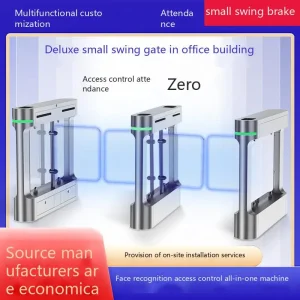
Mumbai Residential Estate Intelligent Swing Gate Barrier
Explore Swing Gates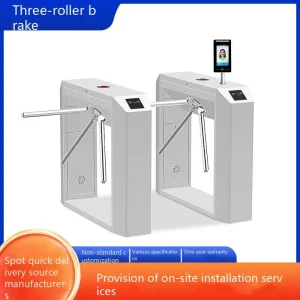
Industrial & Gym High-Throughput Speed Swing Turnstile
View Turnstile Details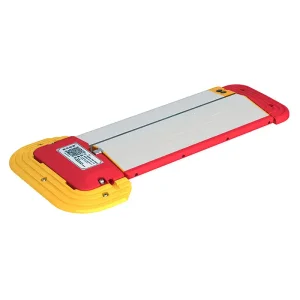
Smart QR Scan-to-Pay Space Reserving Parking Lock
Inquire Parking Locks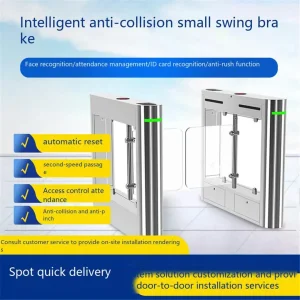
OEM Heavy-Duty Access Control Swing Gate Series
Request OEM Price List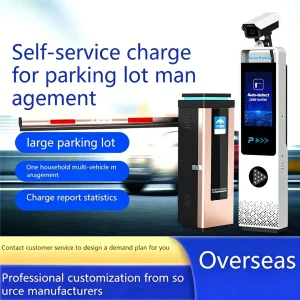
Dolphin-I High-Precision License Plate Camera System
View LPR Hardware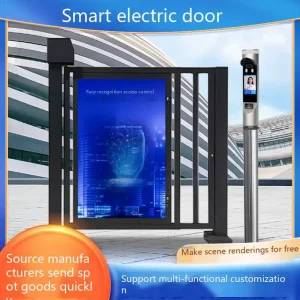
Commercial Advertising Pedestrian Gate for Retail Plazas
Check Commercial Gate
Municipal Smart City Urban Parking Product System
Discover Parking Line
Anrui Certified Heavy Hydraulic Rising Bollard Manual
Download Manual & Quote
Direct Factory Engineering Support
Planning a Perimeter Security Project in Mumbai?
Speak directly with our senior application engineers in Shenzhen. We provide comprehensive foundation pit drawings, CAD wiring schematics, hydraulic cycle calculations, and competitive CIF Nhava Sheva commercial quotations within 24 hours.