
Featured High-Duty Deployment Units for CDMX
Precision-engineered turnstiles and automated barrier gates matched for intensive physical perimeter defense and traffic segregation across corporate hubs and logistics centers.
-
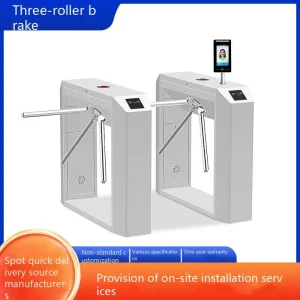
Advanced Factory OEM/ODM Durable Smart Fast Speed Swing Industrial Gate for CDMX
View Specifications -
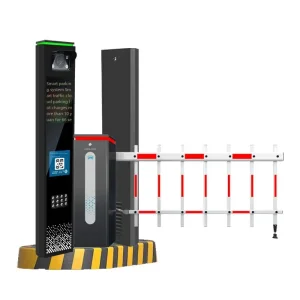
Cost-Effective Commercial Toll Access Control Articulated DC Boom Barrier Gate
View Specifications -
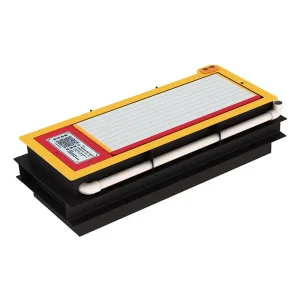
Easy-Maintainable Metropolitan City Parking Control Modules - Direct Supply
View Specifications -
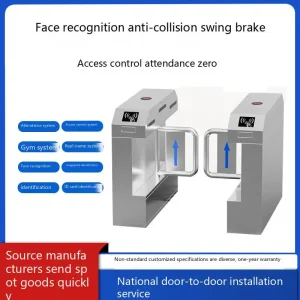
Heavy-Duty Bridge-Type Sloped Fast-Speed Swing Gate for Transit Corridors
View Specifications
CDMX Industrial & Commercial Access Landscape
Evaluating high-stress pedestrian turnstile deployments across the Greater Mexico City Metropolitan Area (ZMVM).
Corporate Hub Resilience
In high-density office corridors such as Paseo de la Reforma, Santa Fe, and Polanco, corporate buildings require access gates that combine architectural aesthetics with anti-tamper security. Integrating QR dynamic visitor management with heavy-duty optical tripod hubs reduces bottleneck delays during 8:00 to 9:30 AM arrival peaks.
Logistics & Industrial Belts
The manufacturing and dry-port rings in Cuautitlán Izcalli, Tlalnepantla, and Vallejo demand IP54 to IP65 weather-sealed enclosures. These units withstand dust, vehicle exhaust, and seismic tremors while operating non-stop for staff shift rotations of 3,000+ workers per changeover window.
High-Flow Public Venues
Stadiums and entertainment complexes such as Estadio Azteca and Arena CDMX face sudden, aggressive surge traffic. Tripod turnstiles must feature hydraulic shock absorption, electromagnetic mechanical brakes, and emergency drop-arm failsafes compliant with Civil Protection (Protección Civil) safety protocols.
Global Industrial Trends: The Shift to Brushless AIoT Turnstiles
How brushless drive mechanics, edge-AI authentication, and preventive diagnostics are redefining pedestrian access reliability.
Core Mechanical Migration: Solenoid to Brushless DC
Traditional solenoid-actuated tripod turnstiles present rapid component wear, noisy locking clatter, and high maintenance costs when exposed to intense volume. Global manufacturing standards have shifted toward Brushless DC (BLDC) motor drives coupled with 14-bit magnetic absolute positioning encoders. This architecture enables soft-braking, zero-rebound arm returns, silent operation under 48dB, and extends the Mean Cycles Between Failure (MCBF) beyond 5,000,000 operations.
Edge-Computing Integration & Contactless Modalities
Modern access ecosystems combine traditional RFID smart cards with multivalent edge intelligence. High-performance tripod barriers integrate MIFARE DESFire EV3, 1D/2D PDF417 optical scanners, and embedded NPU facial recognition cameras capable of identifying moving personnel in under 200 milliseconds. This eliminates bottlenecks while securing facility perimeters against physical identity spoofing.
| Architecture Class | Core Mechanism | MCBF Rating | Factory Cost Index (USD) | Optimal Deployment Arena |
|---|---|---|---|---|
| Standard Mechanical / Solenoid | Mechanical ratchet + Dual electromagnets | 1.5M - 2.5M cycles | $220 - $380 | Secondary access, low-density storage sites, construction gates |
| Semi-Automatic Industrial BLDC | Brushless DC motor + Hydraulic damping | 3.5M - 5.0M cycles | $350 - $580 | Industrial plants, cross-dock logistics hubs, transit transfer gates |
| Fully Automatic Motorized Tripod | Servo drive + Magnetic absolute encoder | 6.0M - 10.0M cycles | $550 - $890 | Commercial office towers, corporate HQ lobbies, secure transit terminals |
| Integrated Multimodal Turnstile Terminal | BLDC motor + Integrated Face/QR/RFID module | 5.0M+ cycles | $750 - $1,400 | Government buildings, fintech campuses, restricted perimeter control |
Enterprise Turnstile Engineering Blueprint
Precision mechanical specs, safety mechanisms, and corrosion-resistant alloys engineered to perform under heavy workloads.
Chassis Metallurgical Matrix
Precision laser-cut chassis fabricated from AISI 304 or optional marine-grade AISI 316 stainless steel with a minimum thickness of 1.5mm (2.0mm for load-bearing arm hubs). Satin hairline surface finishing (Grit 320) preserves surface integrity against airborne particulates and environmental oxidation common in urban basins.
Emergency Anti-Panic Drop Arm
Certified fail-safe electromagnetic power-off drop arm mechanism. Upon electrical interruption or an external fire alarm trigger (dry contact NC/NO signal), the horizontal arm drops instantly, creating an unhindered 550mm to 600mm evacuation lane conforming strictly to international NFPA and local Protección Civil safety codes.
Multi-Signal Gateway & Bus Comms
Equipped with universal communication interfaces supporting TCP/IP, RS485, and standard Wiegand 26/34. Plug-and-play auxiliary relays integrate directly with biometrics, thermal cameras, automated ticketing systems, coin acceptors, and edge access control units without requiring external relays.
Enterprise Deployment Solutions across Mexico City
Tailored turnstile configurations engineered to resolve specific operational challenges across key industry sectors.
Industrial Maquiladora Parks
Target Zone: Vallejo Industrial Hub, Cuautitlán, Tlalnepantla.
Challenge: Managing high-density pedestrian queues of 4,000+ employees in 15-minute shift windows while blocking unauthorized entry.
Engineered Solution: Bi-directional tripod turnstile batteries running high-speed dual-frequency RFID/HID badge readers. Features hydraulic damping to minimize user arm pushback, reducing cumulative wear and queue congestion.
Corporate Smart Campuses
Target Zone: Santa Fe, Polanco, Insurgentes Sur.
Challenge: Integrating visitor management with tenant validation while maintaining clean architectural lines.
Engineered Solution: Slim bridge-type tripod turnstiles with black tempered glass panels, embedded dynamic QR code scanners for pre-registered guests, and face recognition pillars for permanent staff, synced to central Active Directory systems.
Intermodal Transit Transfer Terminals
Target Zone: CETRAM Pantitlán, Indios Verdes, Buenavista.
Challenge: Continuous high-frequency usage, potential ticket fraud, and aggressive physical impacts.
Engineered Solution: 2.0mm SUS304 reinforced chassis with heavy-duty anti-reverse mechanical ratchets, high-brightness LED flow arrows, and transit-card validation speeds under 0.15s per pass.
Factory Procurement & Engineering FAQ for Mexico City
Clear answers to technical specifications, import logistics, duty taxes, and field commissioning for CDMX integrators.
What are the pricing variables and factory tiers for tripod turnstiles shipping to Mexico City?
How do turnstiles comply with Mexico City's Civil Protection (Protección Civil) emergency rules?
Can the turnstile motherboard interface with local Mexican ticketing and MIFARE systems?
What lead times and logistical terms apply for shipments to Mexico City?
How does the turnstile mechanism withstand dust, humidity, and variable electrical power?
Expanded Perimeter Infrastructure & Smart Access Catalog
Comprehensive hardware lines supporting connected vehicular gates, ANPR surveillance, parking space locks, and automated perimeter barriers.
-
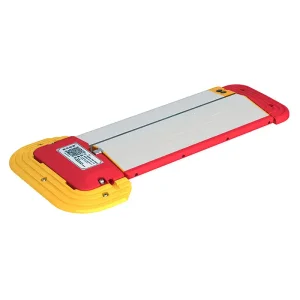
Automatic Sensing Scan-to-Pay Smart Parking Space Lock for Commercial Lots
View Specifications -
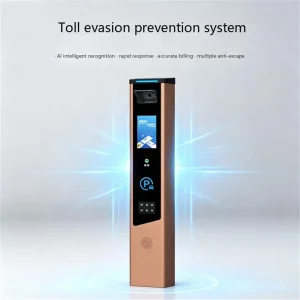
High-Definition License Plate Recognition Camera - AnRuitong II Integrated
View Specifications -
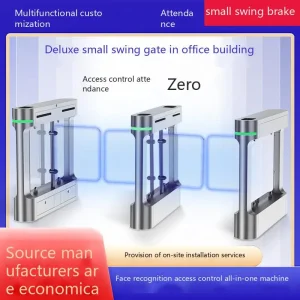
Slim Fast-Speed Acrylic Arm Pedestrian Swing Barrier Gate System
View Specifications -
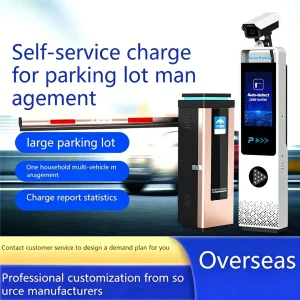
High-Precision All-in-One ANPR / LPR Machine - Dolphin I Industrial Series
View Specifications -
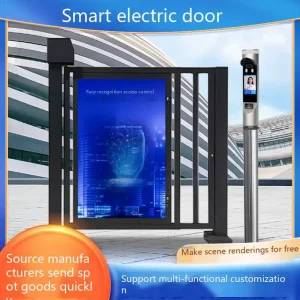
Commercial Out-of-Home Media Advertising Pedestrian Gate for Retail Sites
View Specifications -
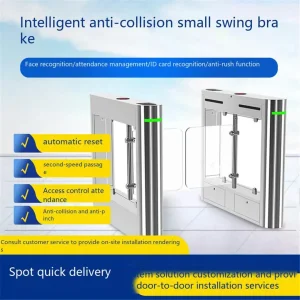
Direct Factory High-Traffic Commercial OEM Swing Gate System
View Specifications -
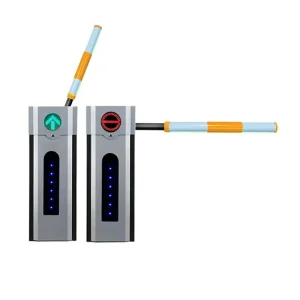
Heavy-Duty Road Barrier Gate Model D11S with Brushless DC Motor Drive
View Specifications -
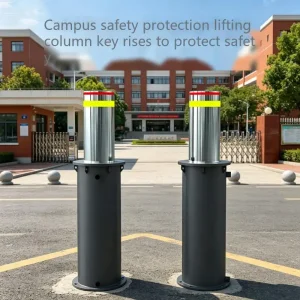
High-Security Automatic Hydraulic Rising Bollard for Anti-Ram Perimeter Defense
View Specifications
Build Your CDMX Access Control Infrastructure with Direct Factory Backing
Connect directly with our engineering team for CAD drawings, lane capacity calculations, customized bracket designs, and transparent landed CIF pricing for Mexico City projects.