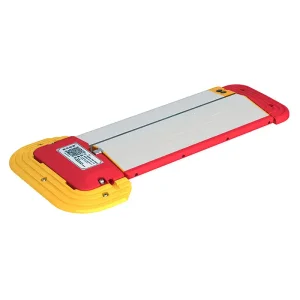
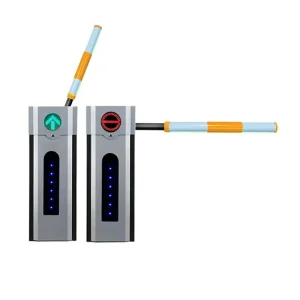
Primary Access Infrastructure & Biometric Integration Nodes
Precision-manufactured entrance hardware optimized for edge-AI neural networks, license plate OCR, and rapid biometric validation.
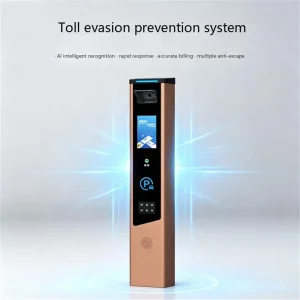
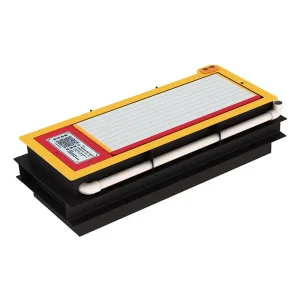
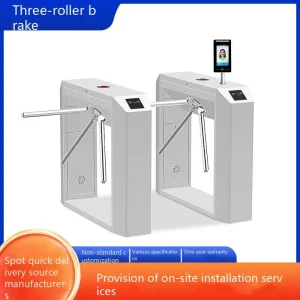
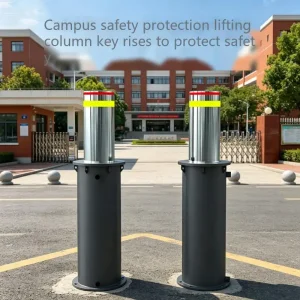

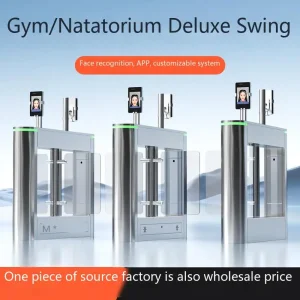
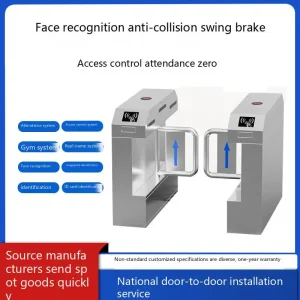
State of Global Facial Recognition Tech Manufacturing
Evaluating architectural transitions from centralized server processing to neuromorphic edge processors and 3D structured-light sensing.
Algorithmic Shift to Edge NPU
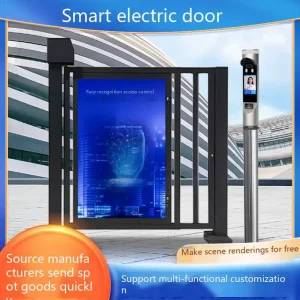
Legacy biometric hardware relied on streaming video streams back to centralized servers, introducing latency and privacy risks. Leading manufacturers now embed dedicated Neural Processing Units (NPUs) operating at 2.0 to 6.0 TOPS directly onto gate barrier controllers and swing turnstile columns, delivering offline 1:N verification within 0.2 seconds.
Anti-Spoofing & Liveness Detection
With generative AI and ultra-realistic silicone masks threatening traditional 2D optical security, industrial manufacturers incorporate dual-spectrum imaging (Visible Light + Near-Infrared NIR) alongside 3D Time-of-Flight (ToF) sensors. This eliminates presentation attacks and photo spoofing according to ISO/IEC 30107-3 standards.
Unified Physical Identity (UPI)
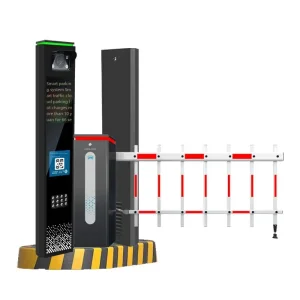
Modern physical security convergence demands tight synchronization between pedestrian identity verification and vehicular authorization. Modern Chinese smart equipment hubs bridge License Plate Recognition (LPR) cameras and biometric speed gates via unified MQTT, ONVIF Profile T, and Wiegand-over-IP architectures.
Technological Trajectories Shaping Hardware Fabrication
How leading manufacturing hubs in Shenzhen are addressing challenges in computational thermodynamics, optical variance, and compliance.
Thermodynamic & Ingress Resiliency
Outdoor access terminals and high-speed barrier systems operate in extreme thermal environments ranging from -30°C to +70°C. Modern CNC-machined die-cast aluminum alloys and aerospace-grade thermally conductive silicone facilitate passive heat dissipation, preventing processor throttling under direct sunlight in Middle Eastern or Equatorial markets.
Zero-Trust & Privacy By Design
With GDPR, CCPA, and PIPL placing stringent controls on biometric storage, advanced hardware systems decouple raw video images from identity records. Terminals extract 512-dimensional vector mathematical representations, irreversibly encrypting templates with AES-256 and discarding pixel data instantly to safeguard civil privacy rights.
Multi-Modal Biometric Blending
Industrial facilities require fail-safe redundancy. Next-generation biometric pedestrian turnstiles combine facial recognition with palm-vein vascular mapping and dynamic QR scanning, ensuring high throughput during rush periods even when workers wear industrial safety helmets, respirators, or safety glasses.
Macro Solutions Across Critical Vertical Sectors
Proven engineering blueprints deployed across corporate headquarters, smart municipal parking, and industrial corridors in 80+ countries.
Corporate Grade-A Office Towers
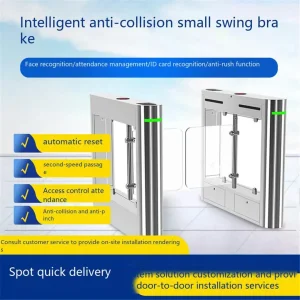
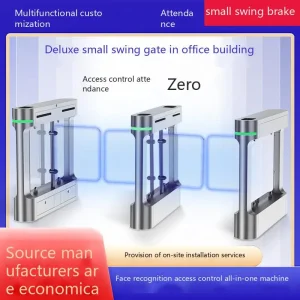
Seamless integration of Anrui fast-speed swing barrier gates with integrated face terminals and elevator dispatch systems. Staff authenticate at turnstiles at 0.15s speeds, automatically prompting designated lift cabs to their destination floors while visitors use temporary cloud-synced QR credentials.
Multi-Modal Logistics & Port Depots
A combined architecture pairing license plate recognition cameras for trucks and driver facial recognition nodes. The lane checks container numbers, chassis plate validity, and driver biometrics simultaneously before lifting industrial boom barriers, preventing cargo theft and streamlining customs processing.
Municipal Smart City Hubs
Public spaces equipped with automatic hydraulic rising bollards and dual-authentication access pedestals for emergency vehicle priority. Urban central monitoring stations track traffic density, authorize service vehicles, and restrict unauthorized access within sensitive governmental zones.
Hardware Engineering Roadmap: 2026–2030
Phased evolution toward decentralized identity verification, quantum-safe encryption, and self-calibrating vision modules.
Multimodal On-Device Fusion
Universal adoption of low-power ARM architecture featuring 4-TOPS embedded NPUs. Native 3D liveness detection integrated directly into turnstile frames and LPR housings. Zero cloud dependency for core verification tasks, achieving complete localized latency mitigation.
WDR Metasurface Optics
Implementation of flat-lens metasurface optical arrays capable of resolving wide dynamic range (WDR) contrast beyond 140dB. Eliminates environmental glare, vehicle headlight interference, and heavy backlight distortion across uncanopied outdoor installations.
Self-Sovereign Identity (SSI)
End-to-end integration with decentralized digital identity wallets on mobile devices. Pedestrians grant localized, ephemeral biometric authorization keys over UWB and mmWave radar, fulfilling post-quantum cryptographic standards without storing master biometric records.
Frequently Addressed Procurement Questions
In-depth answers from Anrui's systems integration engineers on optical calibration, protocol interfacing, and global certifications.
How do Anrui facial recognition modules combat 3D presentation attacks (spoofing)?
Can Anrui turnstiles and barrier gates integrate with third-party software systems?
What happens during power cuts or network outages?
What environmental engineering measures ensure outdoor long-term reliability?
Specialized Perimeter Automation & Space Reservation Systems
Complementary hardware units designed to synchronize with centralized vision servers and biometric pedestals.