
Nagoya Industrial & Infrastructure Access Core Equipment
Featured vehicle control and perimeter systems engineered for rapid deployment across high-throughput commercial and industrial complexes in the Greater Nagoya area.
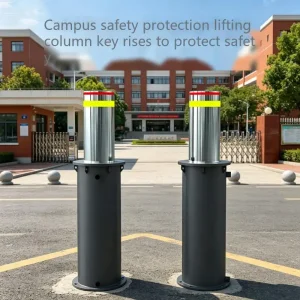
High-Quality Rising Bollard Instruction Manual In Sales, Price
View Details & Price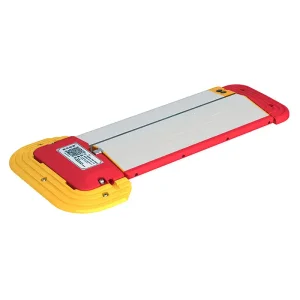
Cheap Scan to pay charging pilecommunity parking lock automatic sensing,electric shared scanning paymentanti-oil car occupying parking space Exporter, Pricelist
View Details & Price
Advanced Factoryoem/ODM Durable Smart Fast Speed Swing Automatic Used Industrial Gym Turnstile Gate Supplier, Factory
View Details & Price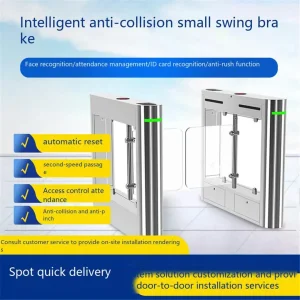
OEM Swing Gate Suppliers, Pricelist
View Details & PricePerimeter Dynamics in the Greater Nagoya Industrial Corridor
Evaluating automated hostile vehicle mitigation (HVM) requirements in Aichi Prefecture's prime manufacturing, logistics, and intermodal transport centers.
Chubu Economic Ecosystem Demands
As the epicenter of Japan's automotive manufacturing and aerospace engineering, Nagoya occupies a unique geopolitical and economic position. Production facilities in Toyota City, Kariya, and the Port of Nagoya handle trillions of yen in high-precision freight daily. Consequently, perimeter access control has transitioned from conventional passive gate barriers to crash-rated hydraulic rising bollards capable of mitigating high-mass, high-velocity hostile vehicle incursions without disrupting just-in-time (JIT) supplier traffic flow.
Rigorous Urban & Seismic Standards
Operating inside the Nankai Trough earthquake preparedness zone requires bollard foundations, hydraulic lines, and electrical conduits to endure recurrent ground vibration and seismic displacement. Furthermore, Nagoya’s severe summer humidity and maritime salt exposure around Ise Bay require certified 316 stainless steel housings, IP68 submersion-rated hydraulic drive units, and integrated drainage pumps to prevent foundation reservoir flooding during typhoon season.
Enterprise Sourcing: Engineering Specifications for Japanese EPCs
Key parameters international system integrators and Nagoya facility engineering directors evaluate when sourcing rising bollard assemblies from overseas factory direct partners.
Hydraulic vs. Electromechanical
For high-frequency security cordons such as the Nagoya Port customs perimeter or JR Central access points, centralized hydraulic power units (HPUs) provide maximum MTBF (Mean Time Between Failures). Self-contained integrated electro-hydraulic bollards, conversely, minimize trenching footprint and installation downtime across congested commercial corridors in Sakae and Meieki.
Subsurface Civil Engineering Depth
Nagoya's urban density requires bollard shallow-mount technology where underground utilities, communication fibers, or railway tunnels restrict excavation to under 400 mm. Our export engineering team supplies precision rebar reinforcement matrices matching Japanese architectural JIS tensile requirements to preserve maximum penetration rating under compact digging conditions.
LPR & Scada System Interoperability
Bollard controllers must integrate seamlessly with local AI license plate recognition (ALPR) cameras, RFID badges, and centralized security operation centers (SOC). Standard dry contact, RS-485, and Modbus-TCP communications allow automated sequencing with traffic loop detectors, optical photobeams, and emergency override switches.
Factory Direct Advantages for Japanese Importers & EPCs
Combining Shenzhen's high-speed smart hardware manufacturing efficiency with the strict quality tolerances expected by the Japanese commercial market.
Bilingual Support & Technical Compliance
Our engineering export department prepares comprehensive documentation sets tailored for municipal approval and general contractor review across Japan. This includes bilingual installation blueprints (English/Japanese), detailed wiring schematics, hydraulic flow calculations, and civil excavation guidelines.
- Full adherence to PSE electrical certification for internal power supplies.
- Stainless steel material assay test reports verifying SUS304 / SUS316 anti-corrosion properties.
- Customized control logic for automated municipal emergency vehicle access.
Factory Direct QA & Precision Logistics
Every rising bollard unit undergoes 500 consecutive cycle pressure tests, high-pressure water spray verification, and control motherboard burn-in before export crating. Direct maritime freight routes from Shenzhen/Yantian port to Nagoya Port (Aichi) maintain low freight transit times of 4 to 6 days, reducing project critical path lead times.
- Export reinforced fumigated wooden crates with moisture-absorbent packaging.
- Pre-wired terminal blocks for rapid plug-and-play field integration.
- Guaranteed 10-year spare parts availability for hydraulic cylinders and microcontrollers.
Frequently Asked Questions on Nagoya Bollard Deployments
Technical and procurement clarifications regarding factory-direct supply, installation mechanics, and maintenance.
What are the key differences between hydraulic and electromechanical bollards for Nagoya projects?
How is drainage handled in areas with high water tables or heavy rainfall near Nagoya Port?
Can Anrui bollards synchronize with local Japanese access controllers and Fire Department override signals?
What documentation and support are provided to local EPC contractors during bidding and installation?
Integrated Access Control & Barrier Portfolio for Nagoya Projects
Explore our complete manufacturing series, fully compatible with automated rising bollard security lines for unified perimeter protection.
High-Quality Rising Bollard Instruction Manual In Sales, Price
View Details & Price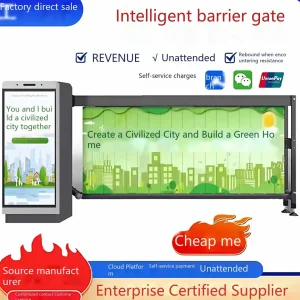
Buy Discount Intelligent Barrier Gate Model D03 Suppliers, Exporters
View Details & Price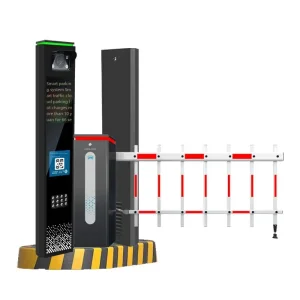
Cost-Effective Car Parking And Toll Access Control Automatic Articulated DC Parking Boom Barrier Gate With Long Range Rfid Reader Suppliers, Factory
View Details & Price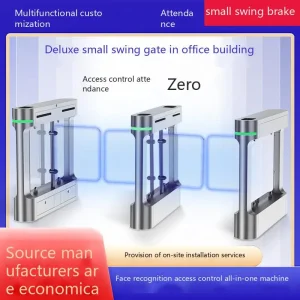
Buy Discount Swing Gate Image Reference Suppliers, In Sales
View Details & Price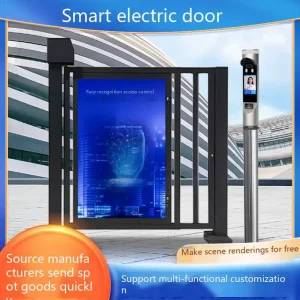
Buy Discount Intelligent pedestrian advertising gate Suppliers, Exporter
View Details & Price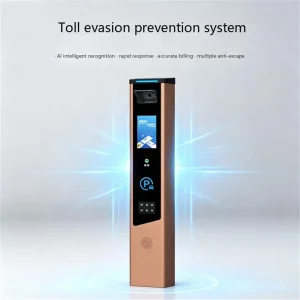
Cheap High definition license plate recognition integrated - AnRuitong II Manufacturer, Factories
View Details & Price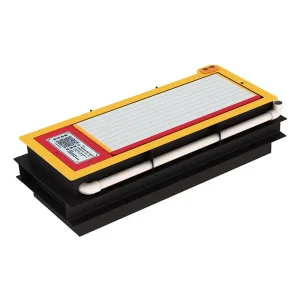
Easy-maintainable City Parking Product Factories, Price
View Details & Price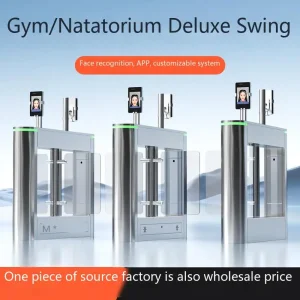
Buy Discount Office Building Entrance Attendance Security Access Control Turnstiles Gate Swing Barrier Speed Gate Manufacturers, Price
View Details & PricePartner with an Established Rising Bollard Exporter
Accelerate your project schedule with factory-direct pricing, customized engineering integration, and dependable maritime shipping to Nagoya Port.
Send Inquiry Now